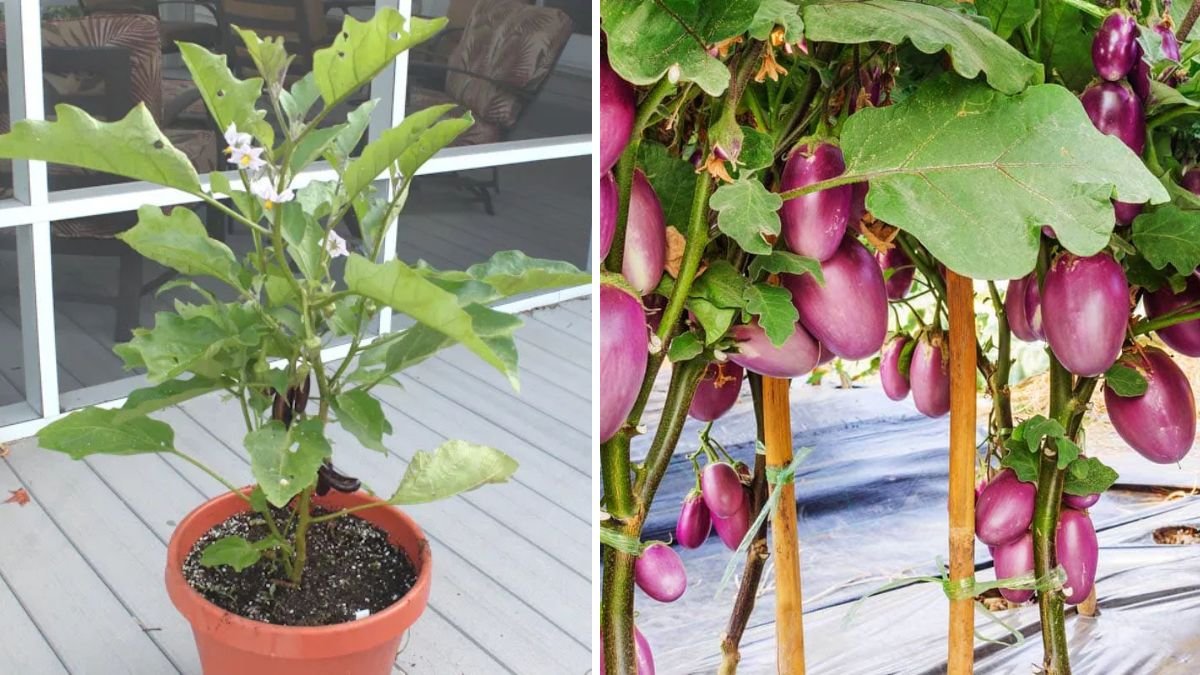

Eggplants—also known as brinjal or aubergine—are among the most rewarding vegetables to grow at home. Whether you’re gardening in pots, raised beds, or open soil, eggplants thrive with the right care and reward you with glossy, delicious fruits all season long. However, many home gardeners face common problems: slow growth, small fruits, poor flowering, pest attacks, and low yield.
The good news? With just a few strategic techniques, you can dramatically increase your eggplant production. This article will walk you through the most practical, proven, and easy-to-follow tips to grow more eggplants—no fancy equipment or chemicals needed!
🌱 1. Choose the Right Variety for High Yield
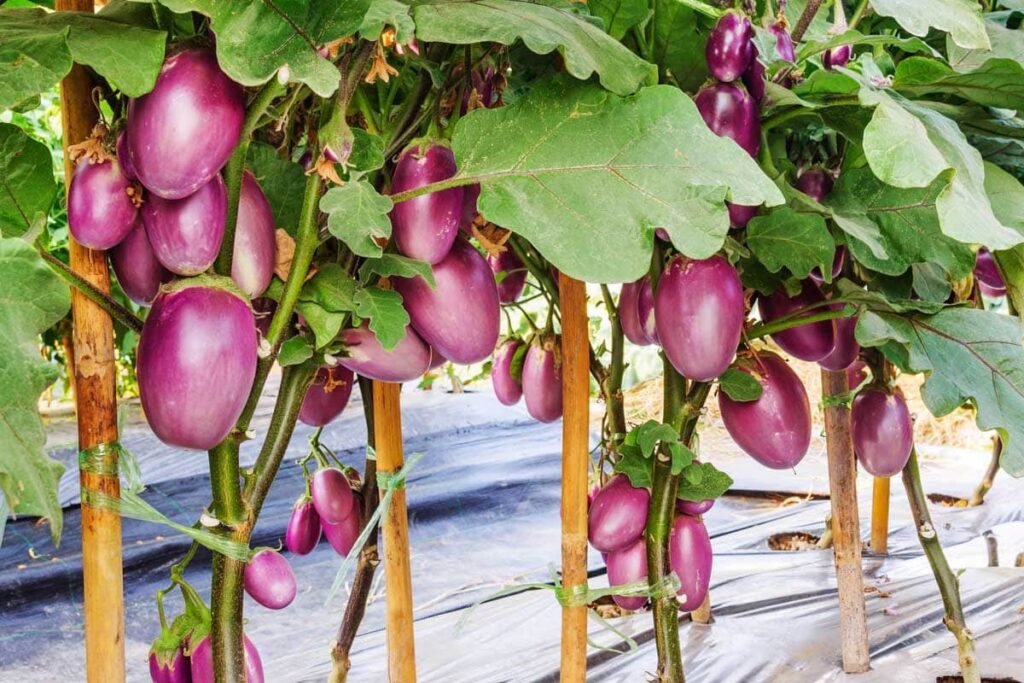
Different eggplant varieties produce different yields. To ensure abundant harvests, select high-yielding, disease-resistant varieties such as:
- Black Beauty
- Thai Long Green
- Pusa Purple Cluster
- Pinstripe/Striped Eggplants
- Long Purple Brinjal
- Cherry or Dwarf Eggplants (for pots)
Cluster varieties, especially, produce multiple fruits per branch—perfect for home gardens.
🌿 2. Start With Healthy Seedlings
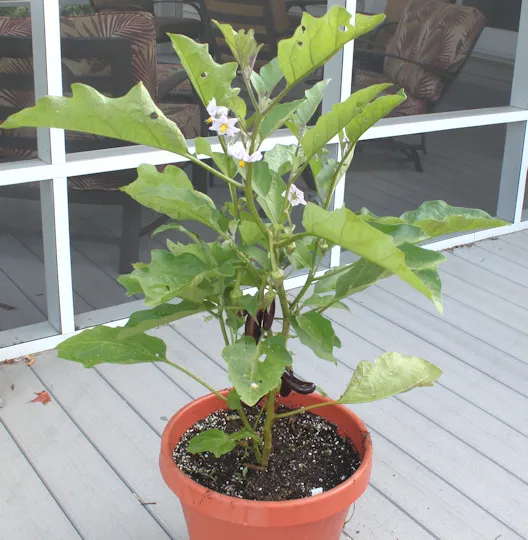
Strong plants start with strong seedlings.
✔ Use quality seeds
Old or poor-quality seeds lead to weak plants and low productivity.
✔ Provide warmth
Eggplants germinate best at 25–30°C, so keep trays warm and moist.
✔ Ensure good spacing in seed trays
Crowded seedlings become leggy and weak.
✔ Transplant only when strong
Wait until each seedling has 4–5 true leaves before moving to pots or ground.
🌍 3. Prepare Nutrient-Rich Soil
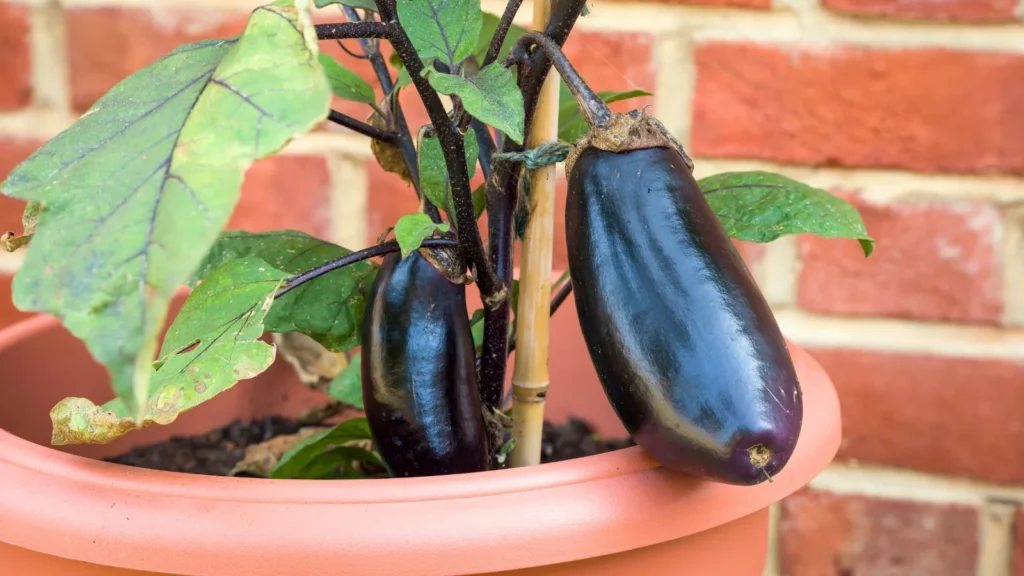
Eggplants love soil that is:
- Well-draining
- Loose
- Rich in nutrients
- Slightly acidic to neutral (pH 6.0–7.0)
🥗 Ideal soil mix for pots:
40% garden soil
30% compost (cow dung/vermicompost)
20% cocopeat
10% sand
+ 1 cup neem cake
This combination provides nutrition, airflow, and moisture retention—everything eggplants need to produce lots of fruit.
☀️ 4. Give Them Full Sunlight
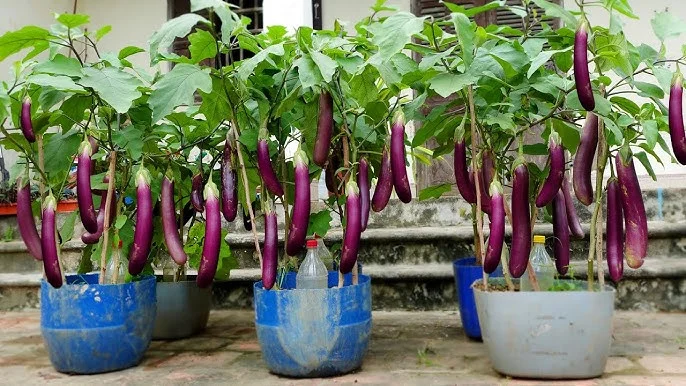
If you want more eggplants, sunlight is non-negotiable.
🌞 Eggplants require:
- 6–8 hours of full sunlight daily
- Warm temperature (20–35°C)
Without sufficient light, plants become tall, weak, and produce fewer flowers.
🌸 5. Boost Flowering Naturally
Eggplants are heavy feeders. If they don’t get enough nutrients, they produce fewer flowers.
🌼 Use high-phosphorus and potassium fertilizers:
- Bone meal
- Banana peel liquid fertilizer
- Seaweed extract
- Wood ash (in small amount)
Apply them every 15–20 days to support continuous flowering.
🐝 6. Increase Pollination for More Fruits
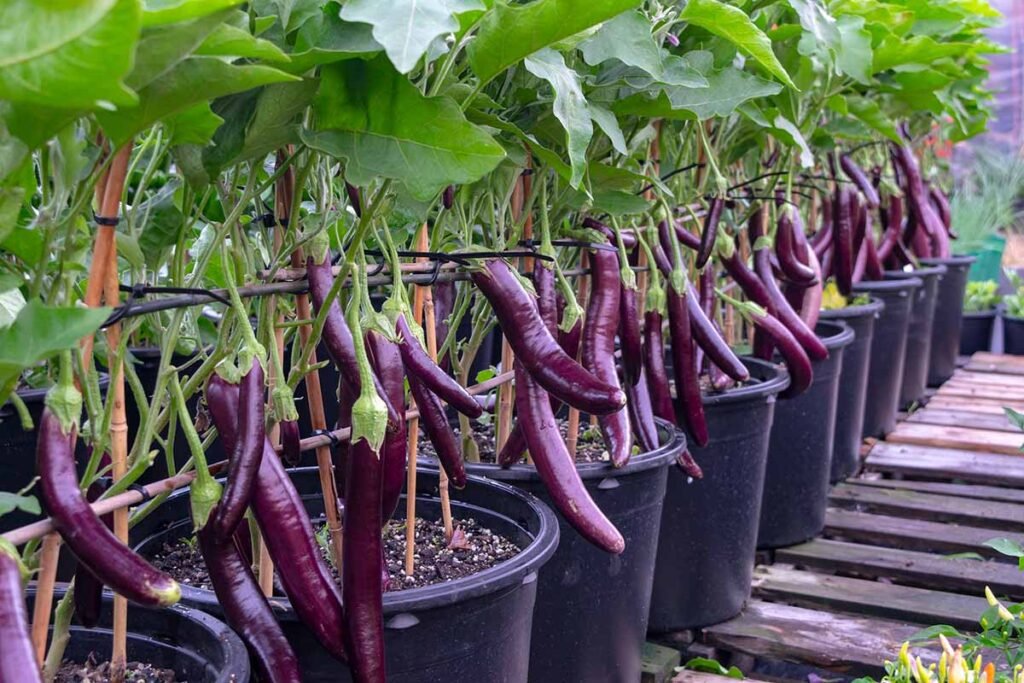
Eggplants are self-pollinating, but poor pollination leads to flower drop.
Try these pollination boosters:
✔ Shake the plant gently every morning
✔ Attract bees with marigold or basil plants nearby
✔ Hand-pollinate using a soft brush
Better pollination = more fruits.
✂️ 7. Prune Smart for Bigger Harvests
Pruning directs the plant’s energy into fruiting rather than unnecessary leaves.
🍆 Simple pruning method:
- Remove lower yellow leaves
- Cut suckers (unwanted side shoots)
- Keep 3–4 strong main branches
- Remove any diseased or damaged branches
Pruned plants grow stronger and produce more.
💧 8. Water Correctly – Avoid Overwatering
Eggplants love moisture but hate waterlogged soil.
Watering rules:
- Water deeply 2–3 times a week
- Avoid wetting the leaves
- Maintain consistent moisture during flowering and fruiting
- Mulch with straw or dry leaves to reduce water evaporation
Inconsistent watering causes flower drop and small fruits.
🧪 9. Feed Your Plants Regularly
Eggplants are heavy feeders, so fertilizing is key to high yield.
Suggested feeding schedule:
- At planting: Compost + neem cake
- After 20 days: Vermicompost
- During flowering: Bone meal + seaweed
- Every 15 days: Liquid fertilizer (banana peel, compost tea, or onion peel water)
This ensures strong growth and abundant fruits.
🐛 10. Control Pests Early
Common eggplant pests include:
- Whiteflies
- Aphids
- Root borers
- Fruit and shoot borers
- Spider mites
Organic pest control:
✔ Neem oil spray (5 ml per liter) every 7–10 days
✔ Soap water spray for aphids
✔ Yellow sticky traps
✔ Remove and destroy infected shoots immediately
Healthy plants = higher yield.
🌱 11. Support the Plant With a Stake
As fruits grow heavier, branches may bend or snap.
Use:
- Bamboo stick
- Wooden stake
- Metal rod
Tie the main stem gently to keep it upright and productive.
🍆 12. Harvest at the Right Time
Harvesting correctly encourages more fruit production.
Harvest when:
- The skin looks shiny and firm
- The fruit is slightly soft when pressed
- Seeds inside are not fully matured
Don’t allow eggplants to over-ripen on the plant—they reduce further flowering.
🌟 13. Bonus Trick: Use Epsom Salt for Bigger Fruits
Eggplants often suffer from magnesium deficiency, which reduces fruit size.
Apply:
- 1 tablespoon Epsom salt in 1 liter of water
- Spray on leaves every 20–25 days
This boosts chlorophyll, plant health, and production.
🌼 Final Thoughts: Grow Eggplants Like a Pro!
Growing more eggplants isn’t difficult—it’s all about consistency and understanding the plant’s needs. With the right soil, sunlight, nutrition, pruning, and pest control, your garden can produce beautiful, glossy, and abundant eggplants all year.
Whether you’re a beginner or an experienced gardener, these tips will help you transform your eggplant plants into high-yielding powerhouses.