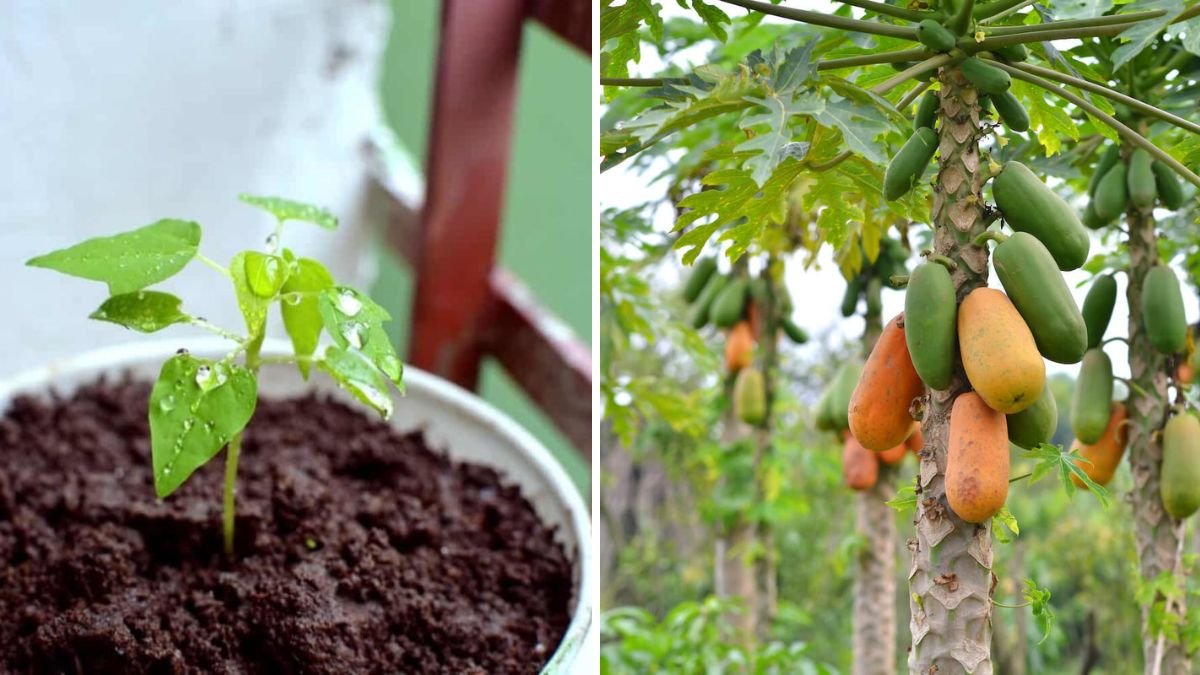

Papaya is a tropical fruit loved for its sweet taste, vibrant color, and high nutritional value, including vitamins A, C, and antioxidants. While growing papaya from seeds is common, it can take longer to bear fruit and sometimes produces plants that are not true to the parent variety. Air layering, however, offers a faster, reliable way to propagate papaya plants that ensures healthy, vigorous growth and earlier fruiting.
In this guide, we’ll explore how to air layer papaya for quick and effective propagation, covering step-by-step instructions, care tips, and best practices to achieve maximum success.
Why Air Layering is Ideal for Papaya
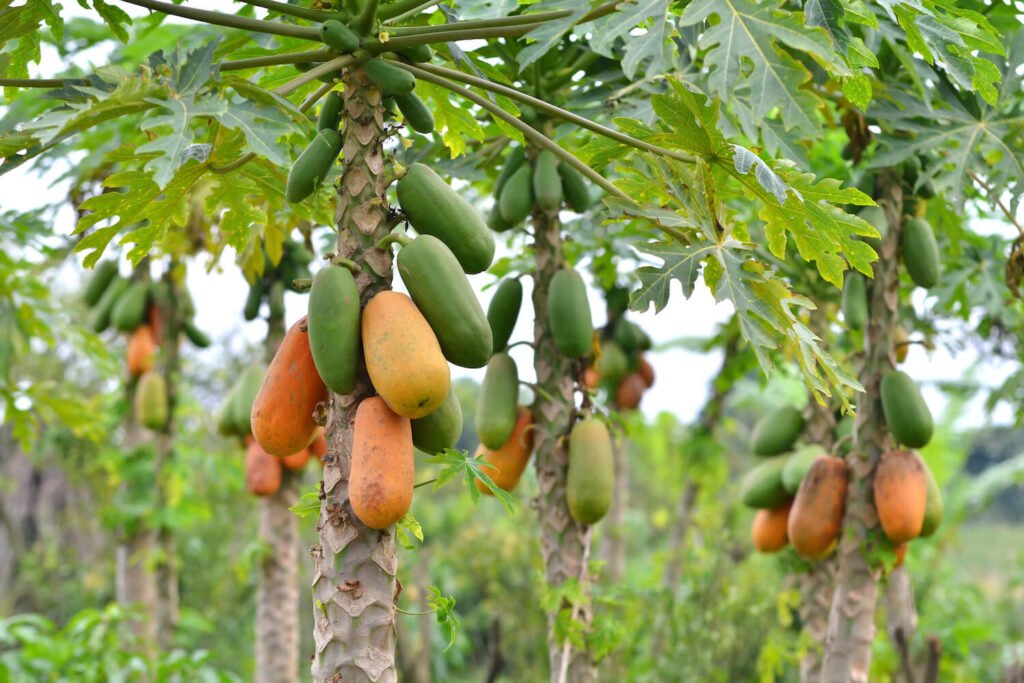
Air layering is a vegetative propagation technique that encourages roots to develop on a branch while it is still attached to the parent plant. For papaya, air layering has several advantages:
- Faster Fruiting: Air-layered papaya plants can produce fruit earlier than seed-grown plants.
- True-to-Type Plants: Ensures the new plant retains the parent plant’s characteristics, including fruit quality and growth habits.
- High Success Rate: When done correctly, air layering has a much higher survival rate compared to stem cuttings.
- Low Maintenance: Requires minimal tools and space, making it ideal for home gardeners.
- Efficient Use of Existing Plants: Allows propagation from mature, high-yielding papaya trees without removing the whole plant.
This method is perfect for gardeners who want to maximize productivity and maintain high-quality papaya plants.
Materials Needed for Air Layering Papaya
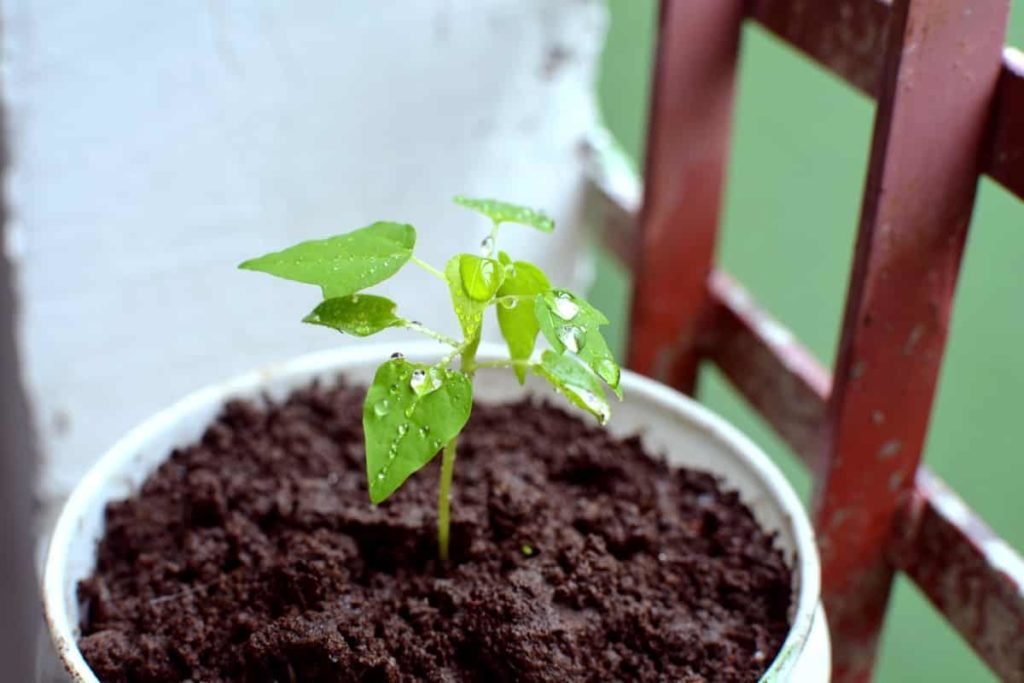
To propagate papaya using air layering, gather the following materials:
- A healthy parent papaya tree
- Sharp knife or blade for making cuts
- Sphagnum moss or moist soil for root development
- Plastic wrap or polyethylene sheet to hold moisture
- Twine, tape, or string to secure the wrapping
- Rooting hormone (optional, to stimulate root growth)
- Container with soil for transplanting after roots form
Having all materials ready ensures a smooth propagation process and increases the chances of success.
Choosing the Right Branch for Air Layering
The branch selection is critical for the success of air layering. For papaya:
- Healthy Branch: Choose a strong, disease-free branch. Avoid branches with pests or visible damage.
- Mature Branch: Select a semi-hardwood branch from the current season’s growth. Young shoots may not root properly, while old branches may take longer.
- Diameter: A branch with 1–2 cm thickness is ideal for root formation.
- Sunlight: The branch should receive good sunlight for energy to support root development.
Selecting the right branch ensures a strong, healthy plant once the air layering process is complete.
Step-by-Step Guide to Air Layering Papaya
Step 1: Preparing the Branch
- Select a healthy branch about 12–18 inches from the tip.
- Make a circular cut around the branch, removing a 1–2 inch ring of bark without damaging the wood underneath.
- Scrape off the green layer (cambium) just inside the bark. This prevents nutrient flow downward and encourages root formation at the cut site.
Step 2: Applying Rooting Hormone (Optional)
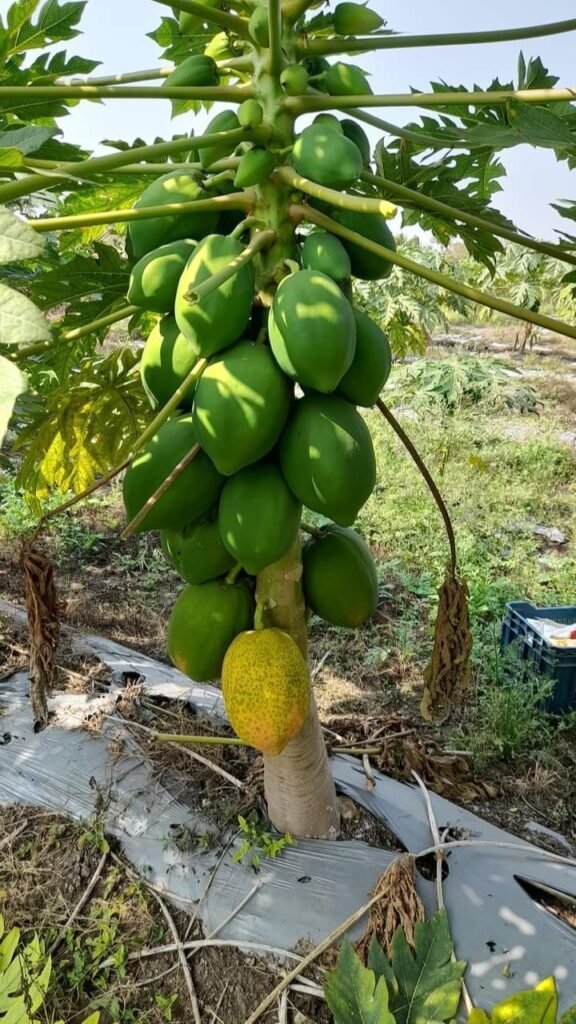
- Dust the exposed area with rooting hormone to stimulate root growth.
- This step is optional but can accelerate the rooting process and improve success rates.
Step 3: Wrapping with Moist Medium
- Take moist sphagnum moss or garden soil and wrap it around the exposed area of the branch.
- Ensure the medium is damp but not waterlogged.
- Cover the moss or soil with a plastic sheet to retain moisture.
- Secure the wrap with twine, tape, or string, ensuring it is tight but does not crush the branch.
This mini-greenhouse effect around the branch creates an ideal environment for root development.
Step 4: Waiting for Roots to Develop
- Roots typically form within 4–6 weeks, depending on climate and branch maturity.
- Check periodically by gently opening the wrap to ensure the moss remains moist.
- Avoid letting the medium dry out, as it will slow or stop root formation.
Step 5: Cutting and Planting the Air-Layered Branch
- Once healthy roots develop, cut the branch just below the root ball.
- Carefully remove the plastic and any remaining moss.
- Plant the air-layered branch in a container or directly in well-prepared soil.
- Water thoroughly to help the plant establish and retain moisture.
Soil and Potting Requirements
For the transplanted papaya plant:
- Use well-draining soil enriched with organic compost.
- Papaya prefers slightly acidic to neutral soil (pH 6–7).
- Ensure containers are at least 12–15 inches deep to accommodate roots.
- Mulch around the base to retain moisture and regulate temperature.
Good soil preparation ensures strong growth and early fruiting.
Sunlight, Watering, and Care
Papaya plants thrive under tropical conditions:
- Sunlight: Full sunlight for at least 6–8 hours per day.
- Watering: Keep the soil consistently moist but avoid waterlogging. Water deeply to encourage strong root development.
- Fertilization: Use a balanced fertilizer every 4–6 weeks. Nitrogen promotes leaf growth, while phosphorus and potassium support flowering and fruiting.
Regular care ensures the air-layered papaya plant grows vigorously and produces healthy fruits.
Pest and Disease Management
Even air-layered papaya plants may face pests and diseases:
- Common Pests: Aphids, mealybugs, and papaya fruit flies. Treat with neem oil or organic insecticides.
- Diseases: Papaya ringspot virus, powdery mildew, and root rot. Ensure proper drainage, avoid overwatering, and remove infected parts immediately.
- Preventive Practices: Maintain cleanliness around the plant, sterilize tools, and monitor regularly for early detection of issues.
Advantages of Air Layering Papaya
- Faster Fruiting: Produces fruit earlier than seed-grown plants.
- True-to-Type Plants: Maintains the parent plant’s fruit quality and characteristics.
- High Survival Rate: Stronger roots compared to stem cuttings.
- Low Maintenance: Requires minimal equipment and space.
- Efficient Propagation: Multiply high-yielding plants from a single tree.
Tips for Successful Air Layering
- Choose healthy parent trees free from pests and diseases.
- Use semi-hardwood branches for optimal root development.
- Maintain consistent moisture in the wrapped medium.
- Be patient—root formation may take several weeks.
- Acclimate the new plant gradually to direct sunlight after transplanting.
Conclusion
Air layering is an effective and efficient method to propagate papaya plants, offering faster fruiting, true-to-type growth, and high success rates. By carefully selecting the branch, preparing the site, wrapping with a moist medium, and providing proper care, gardeners can quickly expand their papaya collection and enjoy early, high-quality fruit.
This method is ideal for home gardeners, small-scale farmers, and anyone interested in tropical fruit cultivation. With patience, attention, and proper technique, air-layered papaya plants thrive, producing delicious, healthy fruits that enhance both diet and garden aesthetics.
Air layering not only shortens the time to fruit production but also ensures healthy, vigorous plants that continue to bear fruit for years. By mastering this propagation technique, you can enjoy the satisfaction of growing your own papaya plants quickly and successfully.