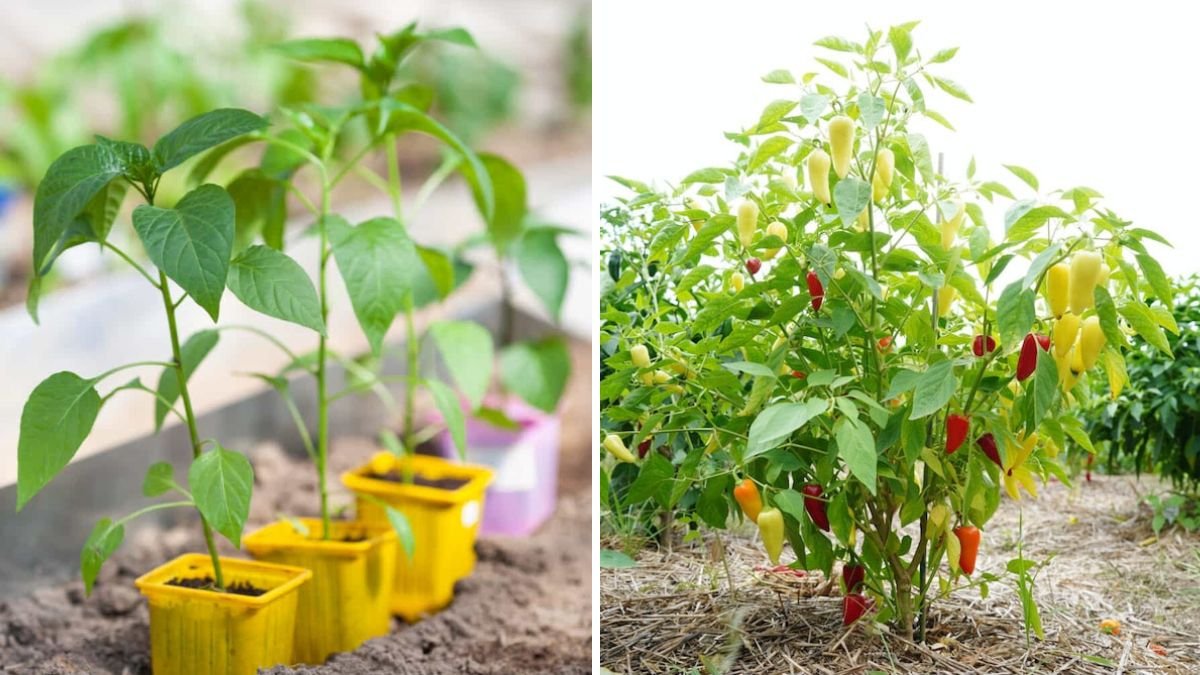

Peppers—whether sweet, hot, or ornamental—are among the most rewarding plants you can grow at home. They thrive in pots, gardens, terraces, and balconies, and they don’t require complicated care. But here’s the secret: with just one powerful tip, paired with the right care routine, your pepper plants can produce more fruits, grow stronger, and stay healthier throughout the season.
This guide will reveal that essential tip, plus additional expert practices to help you grow the most productive pepper plants you’ve ever had. Whether you’re a new gardener or an experienced one, these insights will help you get large, juicy, flavorful peppers all year long.
The Golden Tip: Prune Your Pepper Plants Early for Maximum Production
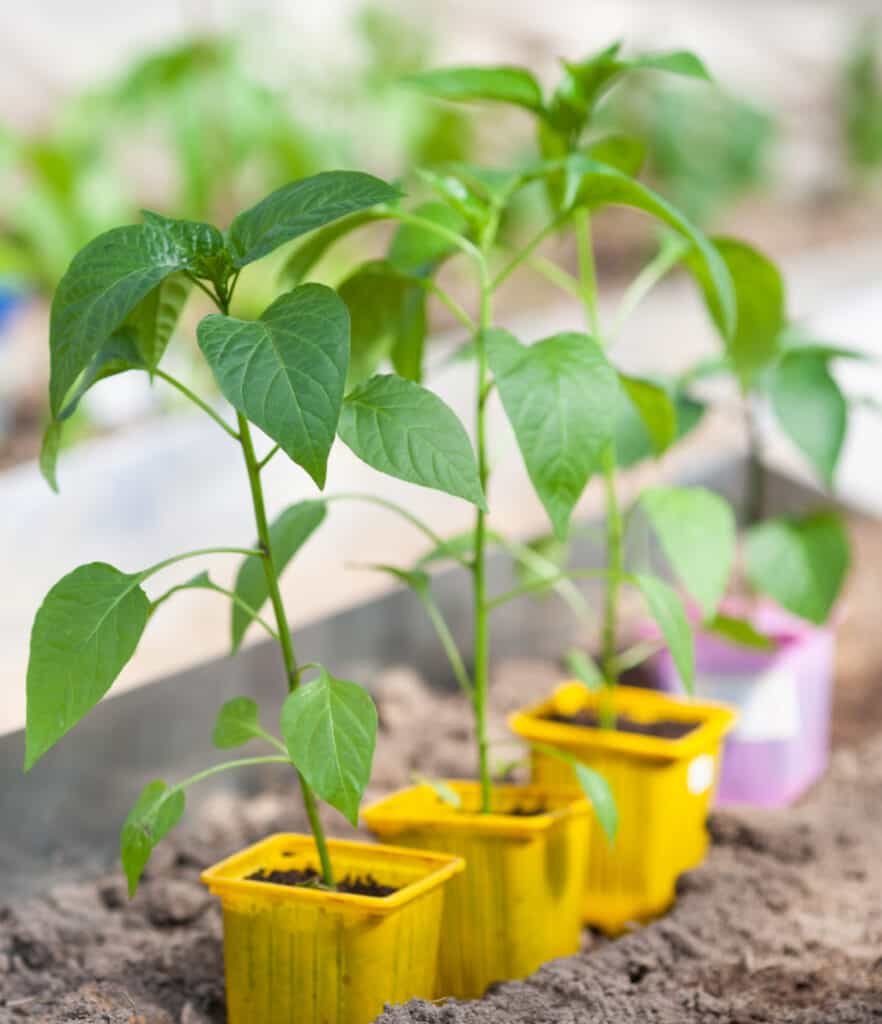
The number one tip for explosive pepper growth is early pruning—also known as “topping.”
What Is Topping?
Topping means cutting off the very top of the pepper plant when it’s still young (around 15–20 cm tall). This may sound counterproductive, but it triggers:
- More branches
- A stronger, thicker stem
- Bushier plant structure
- More flowering sites
- Bigger harvests
A topped pepper plant grows outward instead of upward, creating more fruiting branches.
How to Top Your Pepper Plant
- Wait until your pepper plant is at least 6–8 inches tall.
- Locate the top of the central stem above the 4th or 5th leaf node.
- Use clean scissors to cut just above a node.
- Remove any tiny flowers or buds during the first 2–3 weeks.
Within 10–14 days, you will see new branches growing from both sides—this is where your future peppers will form.
Result: A small cut early on gives you double or triple the harvest later.
Now Let’s Go Further: Complete Care Guide for Strong Pepper Plants
1. Choosing the Right Variety Matters
Different pepper varieties respond differently to heat, soil, and climate.
Some excellent home-growing choices:
- Sweet bell peppers
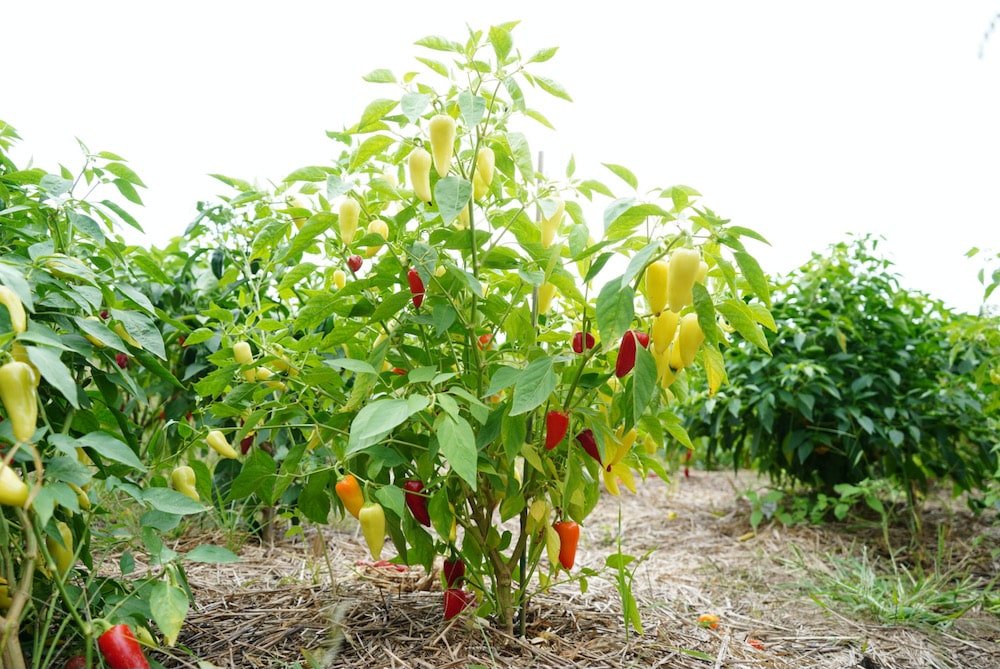
- Banana peppers
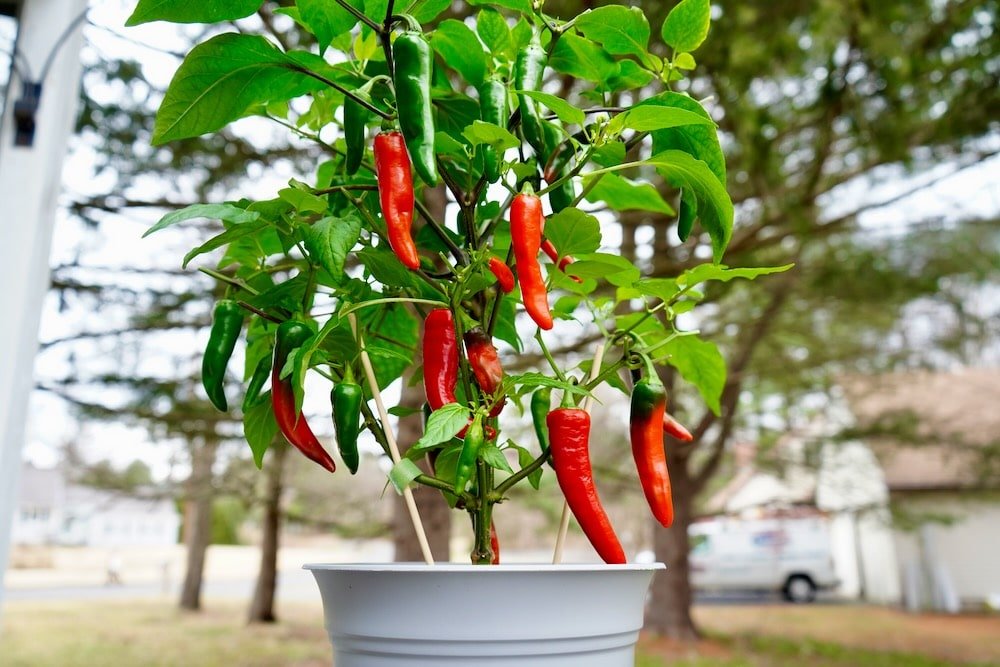
- Thai chili
- Cayenne
- Bird’s eye chili
- Jalapeño
Hotter peppers usually grow faster and produce more fruits. Sweet peppers take longer but reward you with large, juicy yields.
2. The Perfect Soil Mix for Pepper Plants
Peppers love light, airy, fertile soil.
Create this mix:
- 40% garden soil
- 40% compost or vermicompost
- 20% sand or cocopeat
Why this works:
- Compost provides nutrients
- Sand/cocopeat improves drainage
- Loose soil allows pepper roots to expand deeply
Add a handful of neem cake or wood ash to prevent soil pests and supply essential minerals.
3. Choosing the Best Container
If growing peppers in pots, size is crucial.
- Minimum size: 10–12 inches deep
- Best size: 15–18 liters
- Ensure 5–7 drainage holes
Large containers = bigger, healthier pepper plants = more fruits.
4. Sunlight Is Everything for Pepper Plants
Peppers love heat and sunlight.
- 6–8 hours of direct sunlight daily is ideal
- If indoors, keep near a south-facing window
Without enough light, plants become leggy, weak, and produce fewer peppers.
5. Watering: Keep the Balance
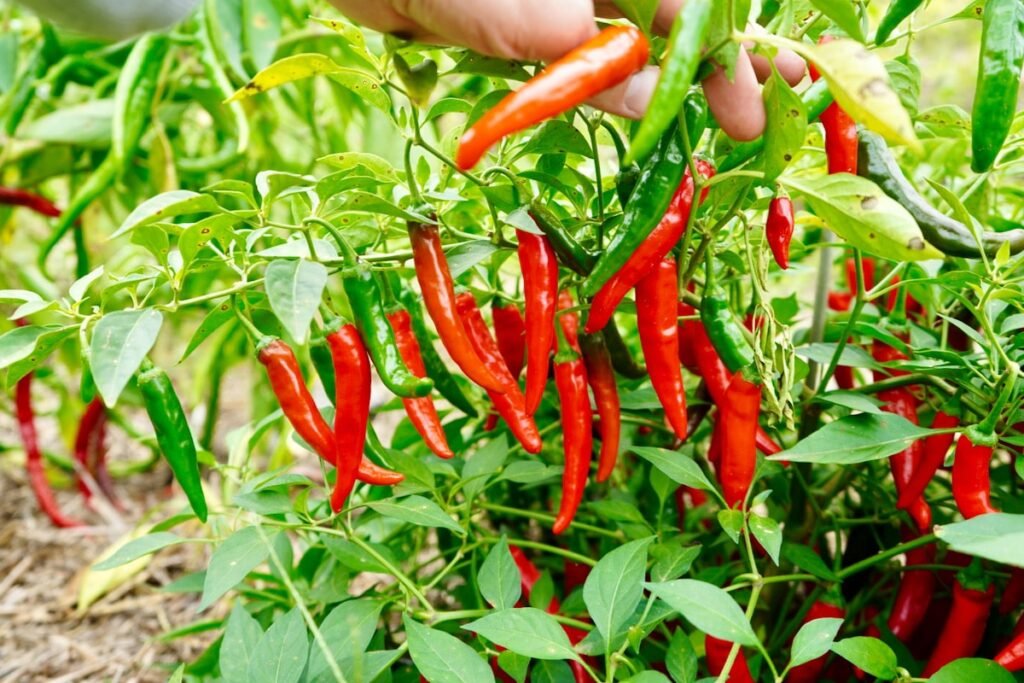
Pepper plants do not like soggy soil, but they also cannot tolerate complete dryness.
Best practice:
- Water deeply every 2–3 days in summer
- Water once every 4–5 days in winter
- Always check the top soil before watering
Signs of underwatering:
- Drooping leaves
- Dry, curled edges
Signs of overwatering:
- Yellow leaves
- Slow growth
- Soil smells bad
Water wisely and your pepper plant will reward you with strong growth and continuous flowering.
6. Fertilizing Schedule for Explosive Growth
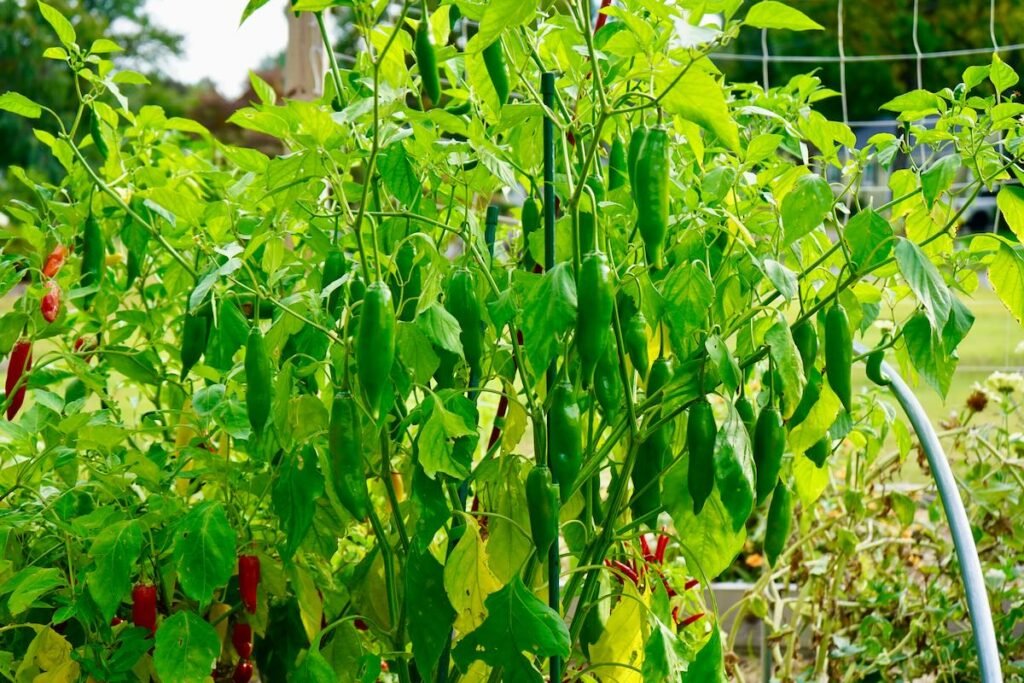
Peppers are moderate feeders and benefit from consistent nutrition.
Stage 1: Early Growth – Nitrogen
Use:
- Compost
- Vermicompost
- Cow dung manure
Frequency: Every 20 days
This helps plants grow leaves and branches.
Stage 2: Pre-Flowering – Balanced NPK
Use:
- Banana peel fertilizer
- NPK 10-10-10 (if using chemical)
- Bokashi or organic kitchen fertilizer
This supports root development and bud formation.
Stage 3: Flowering & Fruit Development – High Potassium
Use:
- Wood ash
- Banana peel powder
- Seaweed extract (excellent for peppers)
Potassium ensures thick-walled, healthy peppers with more flavor.
7. The Importance of Mulching
Peppers thrive when the soil stays cool and moist.
Mulch with:
- Dry leaves
- Grass clippings
- Straw
- Coco husk
Mulching:
- Retains moisture
- Prevents weeds
- Adds nutrients as it decomposes
- Reduces soil temperature (important during extreme heat)
8. Support Your Plant with Stakes
When pepper plants start fruiting heavily, branches may bend or break.
Use:
- Bamboo sticks
- Wooden stakes
- Plastic support rods
Tie loosely with soft fabric strips. This keeps plants upright and reduces fruit damage.
9. Pinch Off First Flowers (Trust the Process!)
This sounds painful but helps your plant grow stronger.
Remove the first 5–6 flowers that appear.
Why?
- Encourages plant to focus on root and stem growth
- Increases future yield
- Ensures bigger peppers later
Once the plant is around 35–40 cm tall, let it bloom freely.
10. Protect Your Peppers from Common Pests
Pepper plants are mostly hardy, but pests can appear.
Common issues:
Aphids
- Small green insects sucking sap
- Solution: Neem oil spray + soap water
Whiteflies
- Found under leaves
- Solution: Yellow sticky traps
Spider mites
- Fine webs on leaves
- Solution: Increase humidity and spray neem oil
Fruit borers
- Small holes on fruits
- Solution: Handpick affected fruits and discard
Neem oil applied every 10–12 days is an excellent preventive measure.
11. Encourage More Flowers with This Simple Trick
When your plant reaches 40–50 cm in height, do a light side pruning.
- Remove weak branches
- Remove inward-growing stems
- Trim the bottom leaves to improve airflow
This stimulates more branching and fruiting.
12. How to Tell When Peppers Are Ready to Harvest
Peppers can be harvested at multiple stages:
Green Stage
- Full-sized but still green
- Best for cooking, stir-fry, and curries
Color Stage
- Turning red, yellow, orange, or purple depending on variety
- Sweeter and richer in nutrients
Fully Ripe
- Deep color, softer texture
- Maximum flavor
Cut peppers with scissors instead of pulling to avoid damaging the plant.
13. Storing Your Peppers
Fresh storage
- Keep in the refrigerator in a breathable bag
- Lasts 1–2 weeks
Drying
- Hang chilies in bunches
- Sun-dry for 3–5 days
Freezing
- Chop or freeze whole
Proper storage allows you to enjoy home-grown peppers long after harvest.
Final Thoughts: Your Pepper Plants Can Do Much Better With the Right Care
With just one smart tip—topping your pepper plants early—and a few simple care routines, you can transform your garden or balcony into a pepper-producing powerhouse. Healthy soil, good sunlight, regular fertilizing, and proper pruning will give you plants that grow strong, produce more fruits, and stay healthy all season long.
Growing peppers is easy, fun, and incredibly rewarding. Whether you love mild bell peppers or fiery chilies, following these tips will ensure your plants explode with growth and produce more peppers than ever before.