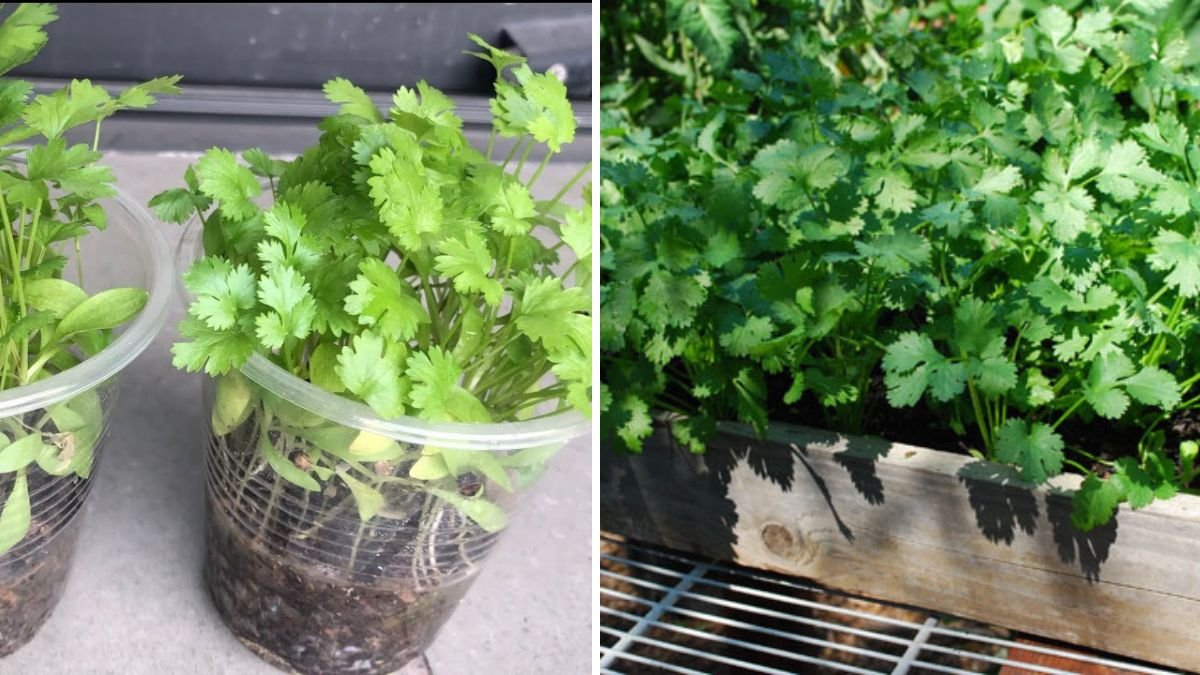

Coriander, also known as cilantro, is one of the most popular herbs worldwide. Its fresh, citrusy flavor enhances curries, salads, salsas, and soups, while its seeds are used as a spice in countless cuisines. But buying coriander regularly can be costly, and store-bought leaves often lose flavor quickly. The solution? Growing coriander at home.
Even if you have limited space, you can cultivate fresh coriander easily using something as simple as a produce crate. This method is perfect for urban gardeners, balcony growers, or anyone who wants a steady supply of fresh herbs without a traditional garden.
In this detailed guide, we’ll explore how to grow coriander successfully in a produce crate—from choosing seeds and preparing soil to watering, harvesting, and keeping your plants productive.
🌱 Why Grow Coriander in a Produce Crate?
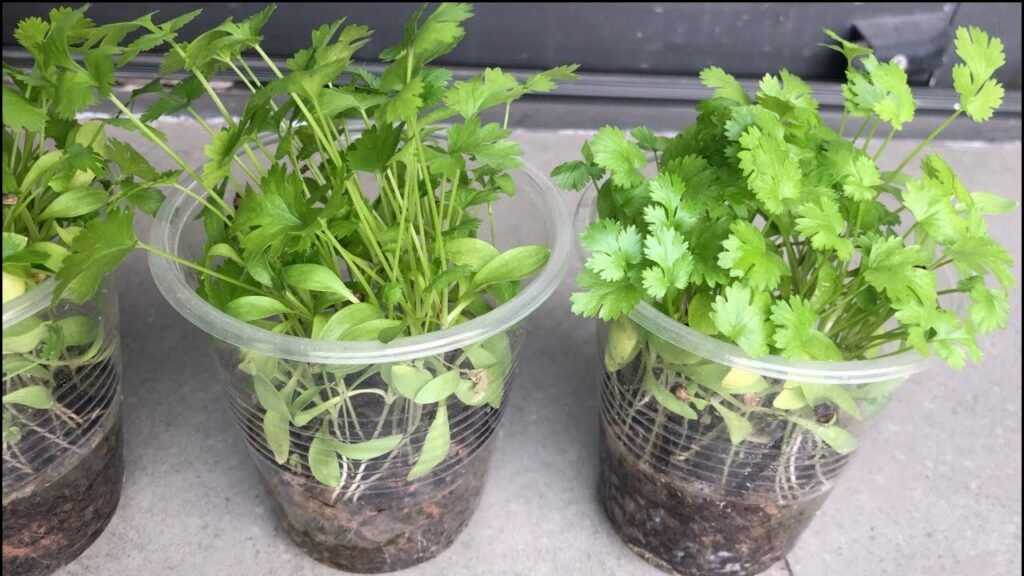
Growing coriander in a crate is simple and has many advantages:
- Space-saving: Ideal for balconies, terraces, or small patios
- Cost-effective: Reuses crates that would otherwise be discarded
- Portable: Move crates to follow sunlight or protect from harsh weather
- Control over soil: Avoids poor soil or pests in the garden
- Continuous harvest: Easy to plant in succession for year-round supply
Using a crate is also a fun and eco-friendly way to practice container gardening.
🪴 Choosing the Right Produce Crate
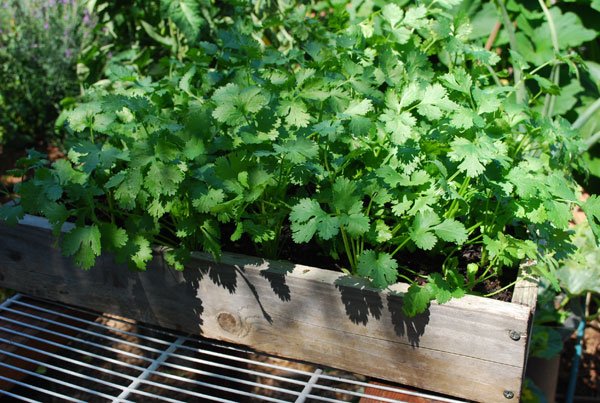
Not all crates are suitable for planting. Here’s what to look for:
- Material: Plastic or wooden crates
- Size: Minimum 12–14 inches deep and 18–24 inches long
- Drainage: Must have holes at the bottom or make some yourself
- Strength: Should hold soil and withstand watering without bending
If using wooden crates, ensure they’re untreated to avoid chemicals leaching into the soil.
🌿 Choosing the Best Coriander Seeds
Selecting good seeds is critical for a successful harvest.
Tips for Choosing Seeds:
- Opt for fresh seeds from a reliable source
- Look for fast-growing varieties like “Santo” or “Coriander Green”
- Organic seeds are preferred for chemical-free harvesting
Coriander seeds are hardy and germinate quickly, making them ideal for container gardening.
🌱 Preparing the Soil for Your Crate Garden
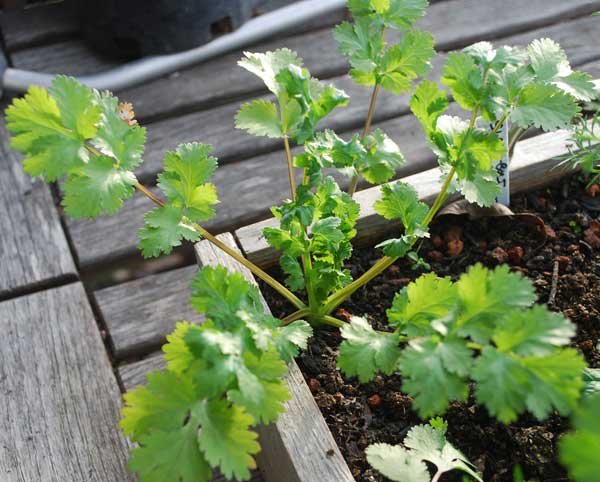
Coriander grows best in loose, fertile, and well-draining soil. A proper soil mix ensures strong roots, healthy leaves, and long-lasting growth.
Ideal Soil Mix:
- 40% garden soil
- 30% compost or well-rotted manure
- 20% cocopeat or peat moss
- 10% sand or perlite for drainage
Optional Additives:
- Bone meal for root development
- Vermicompost for steady nutrients
Tip: Avoid heavy clay soils, which can waterlog roots and stunt growth.
🌱 Sowing Coriander Seeds in a Crate
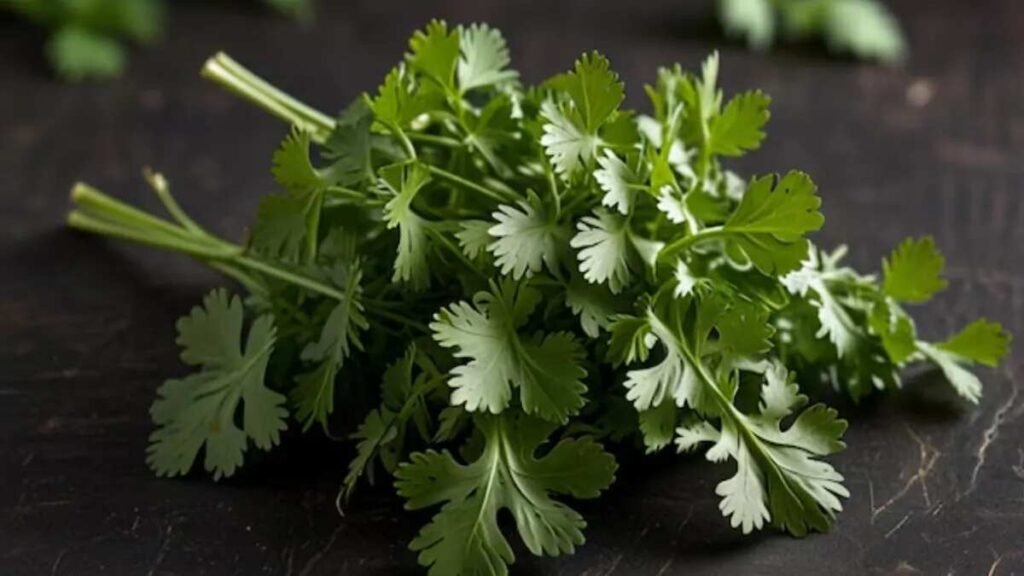
Here’s a step-by-step guide to sowing coriander seeds successfully:
Step 1: Prepare the Crate
- Ensure drainage holes at the bottom
- Fill the crate with the prepared soil mix, leaving 1 inch at the top
Step 2: Sow Seeds Evenly
- Scatter seeds lightly across the surface
- Cover seeds with a thin layer (0.5 cm) of soil
- Lightly press down the soil
Step 3: Water Gently
- Use a spray bottle or watering can with fine holes
- Keep the soil moist, not soggy
Step 4: Provide Warmth and Light
- Place the crate in a sunny spot
- Coriander requires 4–6 hours of sunlight per day
- In cooler climates, partial sun is sufficient
💧 Watering Your Crate Garden
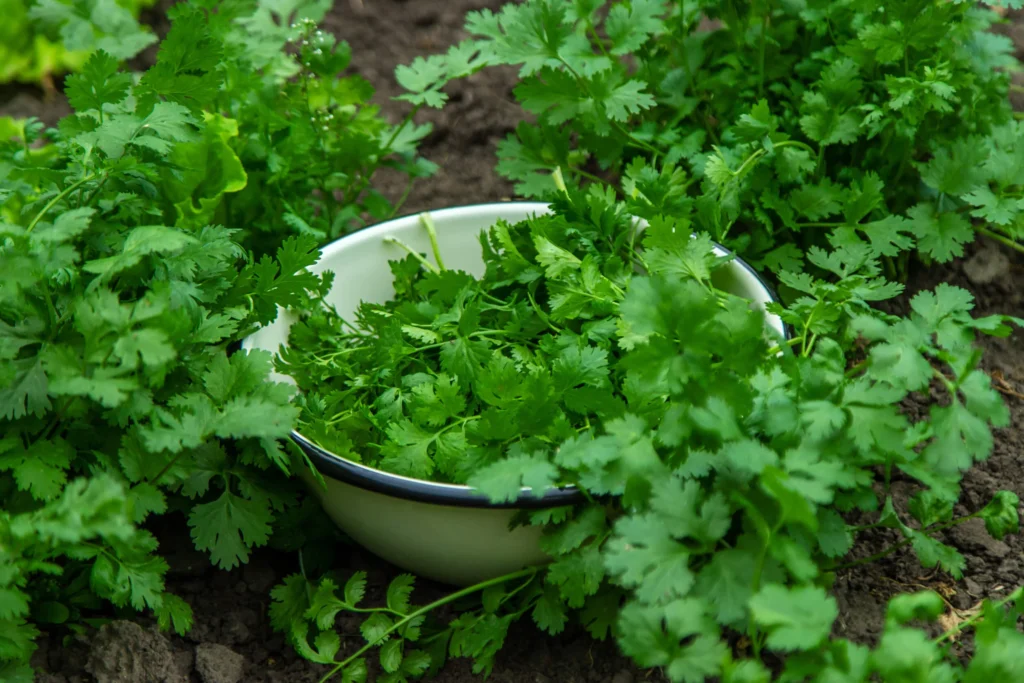
Proper watering is essential for coriander:
- Keep soil consistently moist until germination (7–10 days)
- Reduce watering slightly once plants grow, but do not let soil dry out completely
- Avoid wetting leaves to prevent fungal diseases
Mulching with straw or dried leaves can help retain moisture and regulate soil temperature.
🌿 Thinning and Spacing Seedlings
After germination, seedlings may be crowded. Thinning ensures healthy growth:
- Thin seedlings to 2–3 inches apart
- Gently pull weaker seedlings, leaving the strongest plants
- Adequate spacing improves airflow, prevents disease, and promotes bushy growth
🌱 Feeding Coriander for Faster Growth
Coriander is a moderate feeder. Regular, light fertilization encourages lush, flavorful leaves.
Fertilizer Tips:
- Every 2 weeks: Apply liquid vermicompost or compost tea
- Optional: Use diluted organic NPK fertilizer for faster growth
- Avoid high nitrogen fertilizers, which may make leaves taste bitter
Healthy, nutrient-rich soil accelerates growth and improves leaf quality.
✂️ Pruning and Harvesting
Regular harvesting encourages bushier growth and more leaves.
How to Harvest:
- Cut leaves from the outer edges, leaving the central stem intact
- Harvest in the morning for maximum flavor
- Avoid removing more than one-third of the plant at a time
Pruning Tips:
- Remove yellowing leaves promptly
- Pinch flower buds if you want prolonged leaf production (flowering reduces leaf yield)
🌞 Placement and Environmental Care
Coriander prefers cool weather but can tolerate mild heat.
- Keep crates in partial sun in very hot regions
- Move crates indoors or to shade during extreme heat
- Ensure good air circulation around plants to reduce fungal issues
🐝 Dealing With Pests and Diseases
Even in crates, coriander can face pests like aphids or fungal infections.
Simple Solutions:
- Spray neem oil diluted in water for pest control
- Remove infected leaves immediately
- Avoid overhead watering
- Companion plant with basil or mint to naturally repel pests
🌿 Succession Planting for Continuous Supply
One of the best things about container gardening is that you can grow coriander continuously:
- Sow seeds every 2–3 weeks in a separate crate or section
- This ensures a steady supply of fresh leaves year-round
- Rotate soil or add fresh compost after each harvest to replenish nutrients
🌱 Bonus Tips for Maximum Yield in a Crate
- Use a transparent lid initially to create a mini-greenhouse effect
- Make sure the crate is slightly elevated to prevent waterlogging
- Mix in perlite or vermiculite to improve soil aeration
- Harvest regularly to promote new leaf growth
- Rotate the crate for even sunlight exposure
🌟 Conclusion
Growing coriander in a produce crate is a simple, space-saving, and effective way to enjoy fresh herbs at home. With the right seeds, soil, sunlight, and care, you can harvest flavorful leaves continuously without the need for a traditional garden.
Whether you live in an apartment, a small house, or simply want a portable herb garden, a crate garden allows you to produce high-quality coriander effortlessly. By following the steps in this guide—preparing the crate, sowing seeds, maintaining moisture, fertilizing, and harvesting regularly—you can enjoy a lush, productive coriander patch that adds fresh flavor to your kitchen every day.