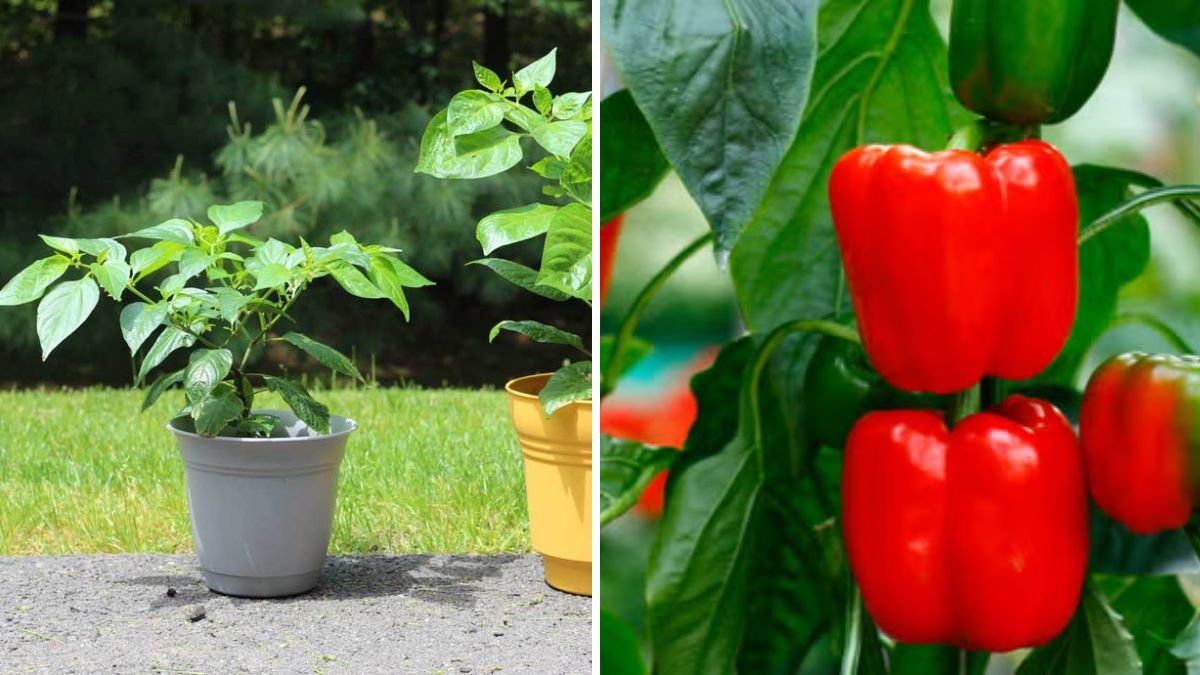

Peppers are a staple in kitchens around the world, adding flavor, color, and heat to dishes. Whether you love sweet bell peppers, spicy chilies, or exotic varieties, growing peppers at home can be immensely rewarding. But one common challenge gardeners face is the slow growth of pepper plants. Waiting months for your peppers to mature can be frustrating, especially when the growing season is short.
The good news is that with a few strategic techniques, you can significantly accelerate pepper growth and enjoy earlier, more abundant harvests. This comprehensive guide will show you exactly what to do to produce peppers faster, including seed selection, soil preparation, watering, feeding, pruning, and environmental adjustments.
🌱 Start With the Right Seeds or Seedlings
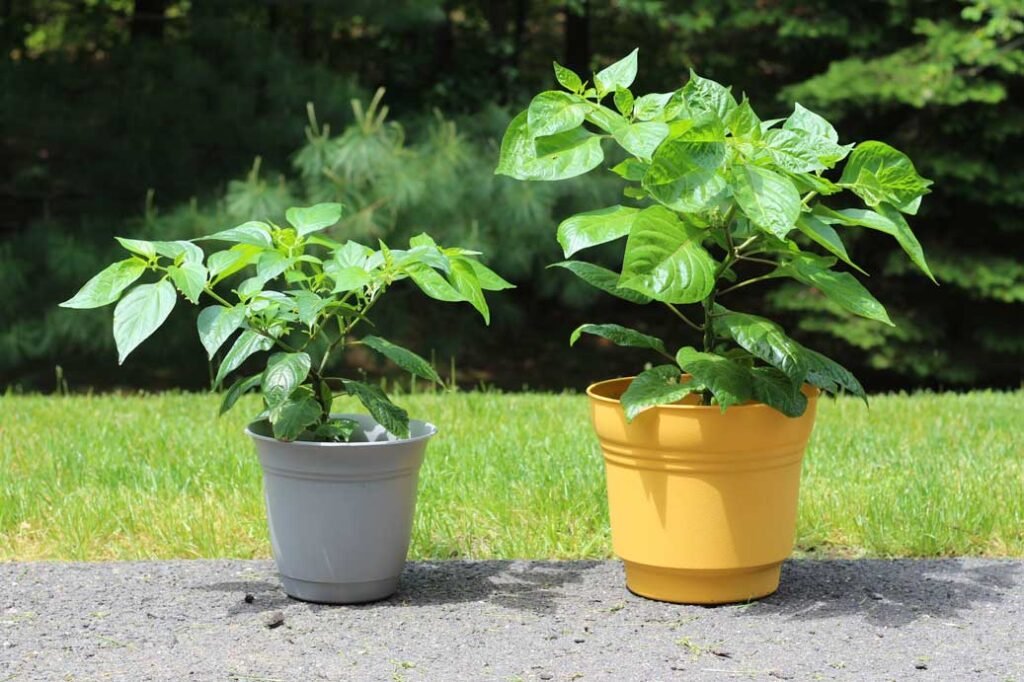
Fast-growing peppers begin with the right genetics. Choose varieties known for early maturity if you want quicker results.
Recommended Fast-Growing Varieties:
- Bell Peppers: ‘Early Sweet,’ ‘California Wonder’
- Hot Peppers: ‘Jalapeño Early,’ ‘Cayenne,’ ‘Serrano’
- Mini Peppers: ‘Numex Sweet,’ ‘Thai Hot’
Starting from seedlings rather than seeds can also shave weeks off the growth timeline. Healthy, strong seedlings adapt faster to your garden or container and start producing sooner.
🪴 Provide Optimal Soil for Faster Growth
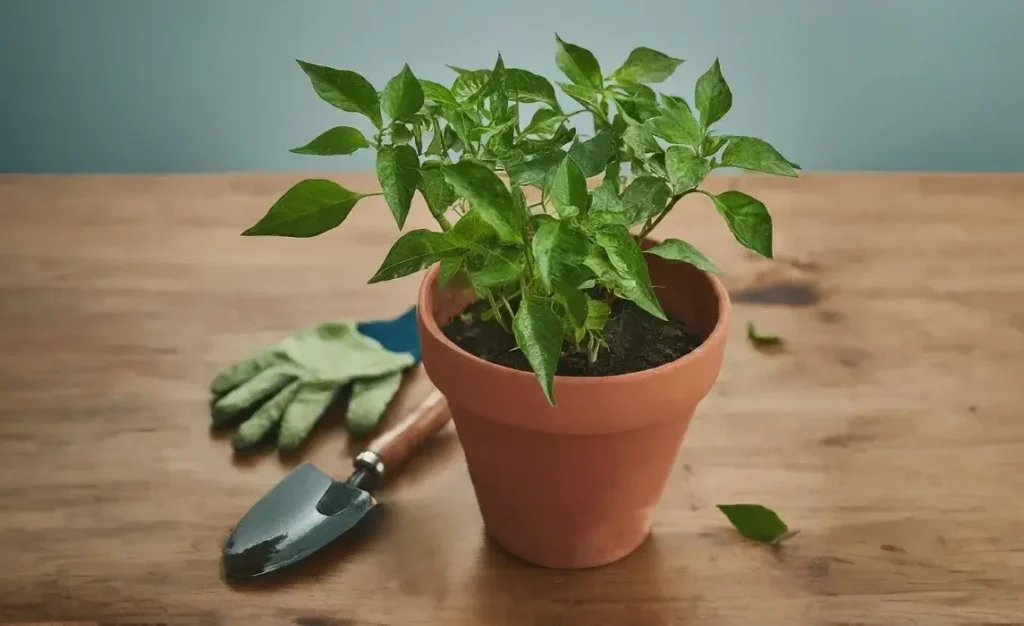
Peppers thrive in loose, fertile, well-draining soil. A nutrient-rich environment allows plants to establish quickly and focus energy on fruiting.
Ideal Soil Mix:
- 40% garden soil
- 30% compost or well-rotted manure
- 20% cocopeat or peat moss
- 10% sand or perlite for drainage
Additives for Boosting Growth:
- Bone meal: Supports root development
- Wood ash or potassium-rich fertilizer: Enhances flowering and fruiting
- Neem cake or compost tea: Prevents pests and improves soil biology
Soil pH should be slightly acidic to neutral: 6.0–6.8.
🌞 Give Your Peppers Plenty of Sunlight
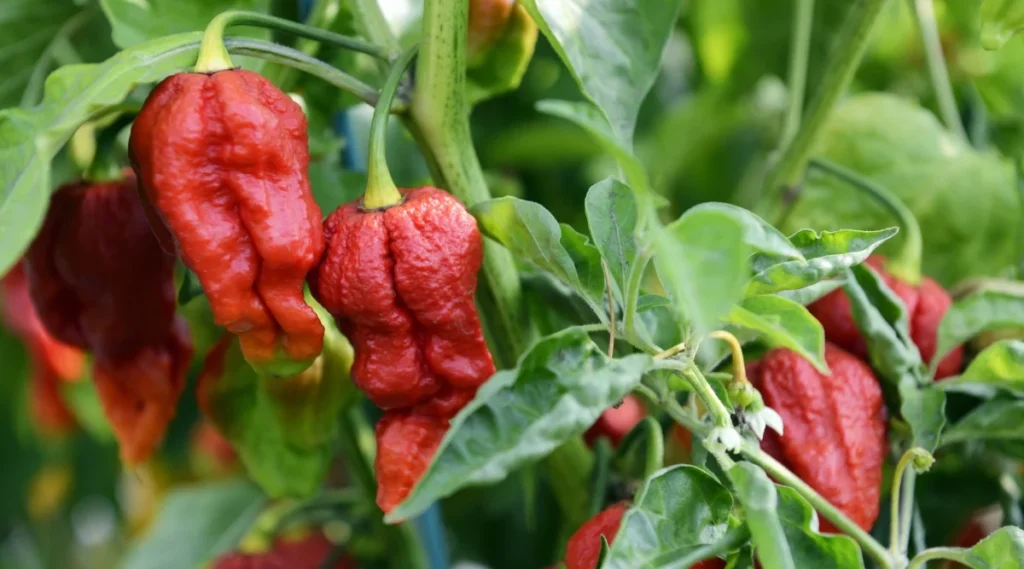
Peppers are sun-loving plants. They need 6–8 hours of bright sunlight per day to grow fast and produce fruit.
Tips for maximizing sunlight:
- Use reflective surfaces near pots or beds to increase light
- Grow indoors under a bright south-facing window or with LED grow lights
- Rotate containers regularly to ensure all sides receive light
Lack of sunlight slows growth, delays flowering, and reduces fruit quality.
💧 Water Strategically for Speedy Growth
Watering peppers correctly is crucial for accelerating growth. Both overwatering and underwatering can stunt development.
Watering Guidelines:
- Keep soil consistently moist but not soggy
- Water at the base of the plant to avoid wetting leaves
- Mulch around plants to retain moisture and regulate soil temperature
- Reduce watering slightly when fruits start forming to increase sweetness
Tip: Use a self-watering pot or drip irrigation for consistent moisture levels.
🌿 Fertilize for Faster Flowering and Fruiting
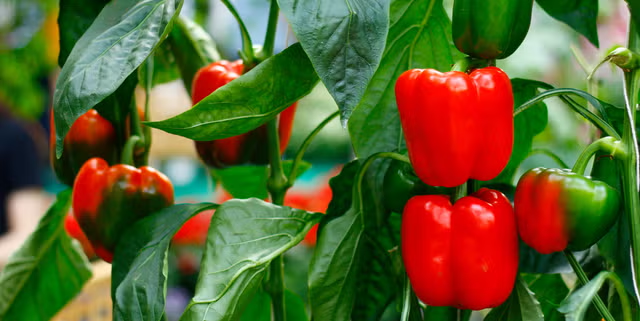
Feeding your peppers at the right time can dramatically speed up their growth cycle.
Fertilizer Schedule:
- At planting: Mix compost and bone meal into the soil
- Every 2–3 weeks: Apply balanced fertilizer (NPK 10-10-10 or organic compost tea)
- During flowering: Increase potassium and phosphorus using:
- Banana peel powder
- Wood ash
- Fish emulsion
- Avoid excessive nitrogen during fruiting: Encourages leaves over flowers
Consistent feeding ensures plants remain vigorous, produce flowers faster, and set fruit quickly.
✂️ Pruning and Pinching for Speed
Proper pruning accelerates pepper production by directing energy to flowers and fruit rather than excess foliage.
Techniques:
- Pinch early shoots: Helps develop a strong main stem
- Remove lower leaves touching soil: Prevents disease and improves airflow
- Trim excessive side shoots: Focuses growth on fruit-bearing branches
- Top the plant when it reaches desired height: Encourages bushier growth and more flowering nodes
🌡 Maintain the Right Temperature
Peppers are sensitive to temperature. Too cold or too hot slows growth.
- Optimal daytime temperature: 21–29°C (70–85°F)
- Optimal nighttime temperature: 15–21°C (60–70°F)
Tips to maintain temperature:
- Use row covers or cloches for early season warmth
- Move potted peppers indoors during cold nights
- Avoid heat stress; provide shade during extreme afternoons
🐝 Encourage Pollination
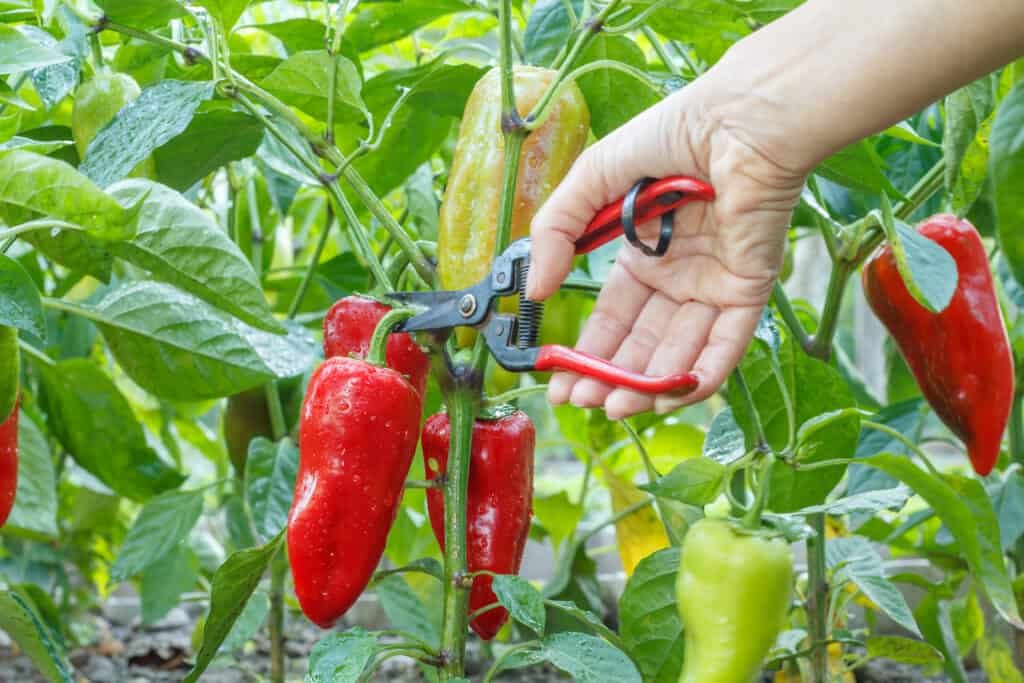
Faster fruiting requires effective pollination.
- Attract pollinators: Plant marigolds, basil, or flowers nearby
- Hand pollinate: Use a small brush or gently shake flowers to transfer pollen
- Ensure airflow: Fans or light breezes help natural pollen distribution
Proper pollination accelerates fruit set and increases yield.
🛡 Protect Plants from Stress and Pests
Stressed plants grow slower and produce less fruit. Keep peppers healthy:
- Pest control: Neem oil, garlic spray, or companion plants like basil
- Disease prevention: Remove yellow or diseased leaves promptly
- Stress reduction: Avoid frequent transplanting; don’t overwater or overcrowd
Healthy plants focus energy on growing and fruiting rather than fighting disease.
🌸 Flowering and Fruit Set
Peppers typically start flowering 6–8 weeks after planting. Faster flowering leads to earlier fruit.
Tips for Quick Flowering:
- Maintain warmth and sunlight
- Feed potassium-rich fertilizers
- Pinch small side shoots to encourage main branches
- Avoid over-fertilizing with nitrogen
Once flowers set, fruits begin developing in 2–4 weeks, depending on the variety.
🍅 Harvesting Early Without Sacrificing Quality
Some gardeners hesitate to pick peppers early, fearing reduced size or flavor.
- Sweet peppers: Can be harvested green, then allowed to ripen indoors
- Hot peppers: Usually hottest when mature, but early harvesting is possible
- Regular pruning after harvest: Encourages new flowering and fruiting
Frequent harvesting stimulates faster production and prolongs the harvest season.
💡 Extra Tips to Speed Up Pepper Growth
- Start seeds indoors 6–8 weeks before transplanting
- Use warm soil: Heat mats or black mulch
- Plant in pots or raised beds for faster soil warming
- Companion plant with basil or marigold for pest control and better growth
- Monitor plants daily for early signs of stress
🌟 Conclusion
Growing peppers faster is entirely possible with the right approach. By selecting fast-growing varieties, providing optimal soil and sunlight, watering consistently, fertilizing strategically, pruning correctly, and protecting plants from stress, you can enjoy quicker harvests and more abundant yields.
Following these steps, even beginners can produce peppers faster, delighting your kitchen with fresh, colorful, and flavorful fruits. The key is attention to detail, patience in the early stages, and consistent care. Once your plants start flowering and fruiting, you’ll see just how rewarding and fast-growing peppers can be!
If you want, I can also create: