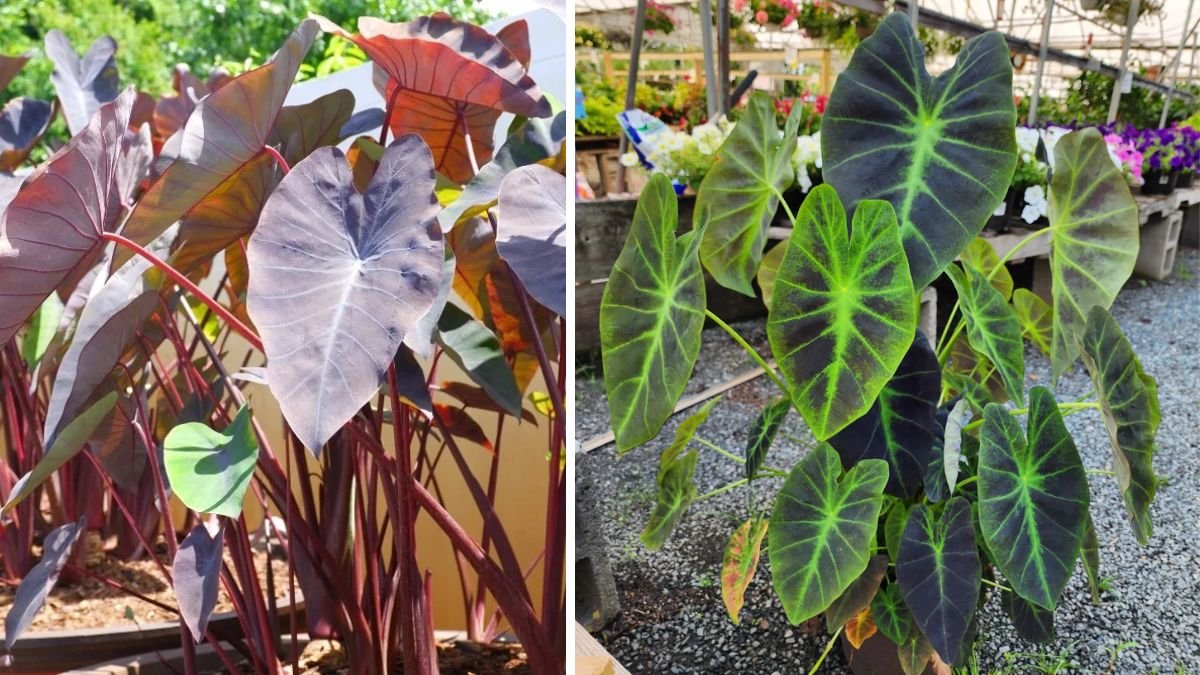

Colocasia, commonly referred to as elephant ears, is a stunning tropical plant known for its large, heart-shaped leaves that can transform any garden into a lush paradise. Thriving in moist environments, colocasia not only adds vibrant foliage but also serves as an excellent choice for gardeners looking to beautify their spaces with minimal effort. In this guide, we will explore everything you need to know about growing colocasia in moist garden areas, including planting, care tips, and troubleshooting.
Introduction to Colocasia
Colocasia belongs to the Araceae family, which includes a variety of species. The most popular among enthusiasts are Colocasia esculenta (taro), known for its edible tubers, and ornamental varieties valued for their foliage. These plants thrive in USDA hardiness zones 8 to 11. Their stunning leaf shapes and colors can range from deep greens to striking purples, making them a favored choice for landscape designs.
Benefits of Growing Colocasia
- Aesthetic Appeal: The large, lush foliage acts as a striking backdrop or focal point in garden design.
- Versatile Planting Options: Suitable for garden beds, water gardens, and as container plants.
- Wildlife Friendly: Provides shelter for pollinators and beneficial insects.
- Air Purification: Like many houseplants, colocasia helps improve indoor air quality when grown inside.
Ideal Growing Conditions
Soil
Colocasia thrives in well-draining yet moisture-retentive soil rich in organic matter. A mix of potting soil, compost, and peat can create the perfect medium. Aim for a pH level between 5.5 and 7.5.
Sunlight
While colocasia can tolerate partial shade, they prefer full sun to partial shade for optimal growth. A location receiving 4 to 6 hours of direct sunlight is ideal, as this encourages vigorous foliage production.
Watering
As moisture-loving plants, colocasia requires consistently moist soil. Regular watering is essential, especially during dry spells. However, be cautious not to overwater or allow standing water, which can lead to root rot.
Temperature and Humidity
Colocasia flourish best in warm temperatures, ideally between 70°F to 90°F (21°C to 32°C). They also appreciate high humidity, making them perfect for boggy areas or gardens with a natural water element.
Planting Colocasia
Timing
The best time to plant colocasia is in the spring, once the threat of frost has passed. This allows the plant to establish itself during the warm months.
Planting Steps
-
Select a Location: Choose a spot in your garden that receives ample sunlight but has some afternoon shade.
-
Prepare the Soil: Work the soil to a depth of at least 12 inches. Mix in organic matter, such as compost, to enhance fertility and moisture retention.
-
Space the Plants: If you’re planting multiple colocasia, space them 2 to 4 feet apart, as they can spread significantly.
-
Planting: Dig a hole deep enough to accommodate the root system without bending the tuber. Place the plant in the hole and backfill with soil, gently patting it down to eliminate air pockets.
-
Water Thoroughly: After planting, give the colocasia a good watering to help settle the soil.
Care and Maintenance
Fertilizing
To promote healthy growth, fertilize colocasia every 4 to 6 weeks during the growing season with a balanced, slow-release fertilizer. Following the manufacturer’s directions will help you avoid nutrient burn.
Pruning and Deadheading
Colocasia rarely requires heavy pruning. However, you should remove any dead or yellowing leaves as they appear to promote new growth and improve aesthetics.
Winter Care
In colder climates, where temperatures drop below freezing, colocasia may need to be dug up and stored indoors. Before the first frost, carefully lift the tubers from the ground, let them dry for a day or two, and store them in a cool, dry place, preferably in vermiculite or peat moss.
Common Pests and Diseases
Pest Control
Colocasia is generally resistant to pests, but you may encounter:
-
Aphids: These small insects can be controlled with insecticidal soap or neem oil.
-
Spider Mites: Increase humidity and use a strong spray of water or insecticidal soap to manage.
Diseases
-
Root Rot: Caused by overwatering or poorly drained soil, root rot can be mitigated by addressing moisture levels and ensuring good drainage.
-
Leaf Spot: Fungal leaf spot can occur in overly humid conditions; improve air circulation and avoid overhead watering to minimize occurrences.
Companion Plants for Colocasia
When designing your garden, consider planting colocasia alongside other moisture-loving plants such as:
- Hostas: Their diverse foliage complements colocasia brilliantly.
- Ferns: Tall ferns provide a contrasting texture that enhances the jungle-like aesthetic.
- Lobelia: Their vibrant flowers add a touch of color to the verdant backdrop provided by colocasia.
Colocasia in Containers
If garden space is limited, colocasia can easily be grown in containers. Follow these guidelines:
-
Choose the Right Size: Use a large pot to allow the tuber space to grow.
-
Use Quality Potting Mix: Ensure the potting mix retains moisture.
-
Regular Watering: Container plants can dry out faster, so check moisture levels frequently.
FAQs
1. Can colocasia survive winter?
In colder climates, colocasia cannot survive freezing temperatures. Before frost, dig them up and store the tubers indoors.
2. How often should I water colocasia?
Colocasia requires consistently moist soil. Water regularly, ensuring the soil does not dry out completely, especially in hot weather.
3. Is colocasia toxic to pets?
Yes, colocasia is toxic to pets if ingested. It’s advisable to keep these plants out of reach from curious animals.
4. Can I grow colocasia in partial shade?
Yes, colocasia can tolerate partial shade but will achieve maximum growth and foliage in full sun conditions.
5. What are the best fertilizers for colocasia?
Use a balanced, slow-release fertilizer every 4 to 6 weeks during the growing season to support optimal growth.
6. Why are my colocasia leaves turning yellow?
Yellowing leaves could indicate overwatering or nutrient deficiency. Check the soil moisture and consider fertilizing.
7. How long does it take for colocasia to grow?
From planting to achieving full-sized leaves, colocasia typically takes about 60 to 90 days, depending on the species and growing conditions.
8. Can you eat colocasia?
Yes! Some varieties, like Colocasia esculenta, are edible and commonly consumed as taro when properly cooked.
Conclusion
Growing colocasia can be incredibly rewarding and visually appealing. This tropical plant not only enhances the beauty of moist garden areas but also provides a sense of serenity and lushness. By following this simple guide, you can enjoy the striking foliage of colocasia in your garden for years to come, making it a valuable addition to any landscape. Happy gardening!