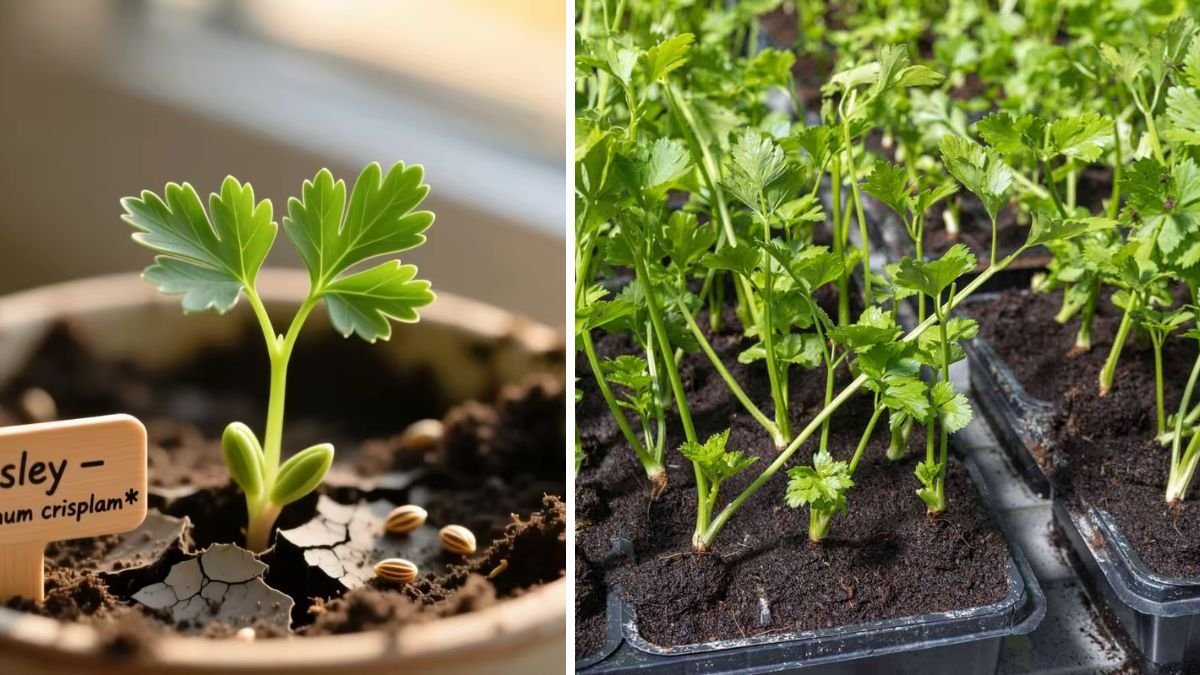

Growing your own parsley from seeds can be a truly rewarding experience. Not only does it enhance your home garden, but fresh parsley can elevate your culinary creations, providing a burst of flavor and nutrition. However, germinating parsley seeds can be tricky if you’re unfamiliar with its requirements. In this guide, we will explore simple steps to ensure the effortless germination of parsley seeds at home.
Why Grow Parsley?
Parsley is a versatile herb known for its antioxidant properties and vitamins A and C. It’s an excellent addition to salads, soups, and as a garnish for many dishes. When grown at home, you have easy access to this herb while ensuring it’s free of pesticides.
Types of Parsley
Before you start the germination process, it’s essential to know about the two main types of parsley:
-
French Parsley (Curly Leaf): This variety has tightly coiled leaves and is commonly used as a garnish.
-
Italian Parsley (Flat Leaf): A more flavorful option, Italian parsley is preferred by chefs for its robust flavor, making it ideal for cooking.
Step-by-Step Guide to Germinating Parsley Seeds
Step 1: Gather Your Supplies
To get started, you’ll need the following supplies:
- Parsley seeds: Ensure you purchase high-quality seeds; organic seeds are preferable.
- Seed trays or pots: Use seed-starting trays or small pots with drainage holes.
- Seed-starting mix: A lightweight potting mix specifically designed for seed germination.
- Water: Clean, room-temperature water for moistening the soil.
- Plastic wrap or a humidity dome: This helps maintain moisture during germination.
Step 2: Soak the Seeds
Parsley seeds have a tough outer shell, which can hinder germination. To facilitate this process, soak your seeds in water for about 24 hours before planting. This will help soften the seed coat and encourage faster germination.
Step 3: Prepare the Soil
Fill your seed trays or pots with the seed-starting mix, leaving about half an inch of space at the top. Gently moisten the soil with water, ensuring it is damp but not soggy. A well-aerated soil mix will allow for better seedling growth.
Step 4: Plant the Seeds
After soaking, it’s time to plant your seeds. Scatter the seeds evenly on the surface of the moist soil. It’s recommended to plant seeds 1/4 inch deep, so lightly cover them with a thin layer of soil. If you prefer, you can place 2-3 seeds per cell in a tray.
Step 5: Create Warmth and Humidity
To encourage germination, parsley seeds require warmth and humidity. Cover the seed trays with plastic wrap or a humidity dome to retain moisture. Place the trays in a warm area, ideally between 70°F to 75°F (21°C to 24°C).
Step 6: Monitor Water and Conditions
Check the soil daily for moisture. If it begins to dry out, use a spray bottle to mist the surface rather than pouring water directly. Consistent moisture is key, as overwatering can lead to mold, while underwatering can cause the seeds to dry out.
Step 7: Germination Time
Parsley seeds can be slow to germinate, typically taking 2 to 4 weeks. During this time, maintain a warm and moist environment. Once seedlings emerge, remove the plastic cover.
Step 8: Provide Light
Once your parsley seedlings sprout, they will need plenty of light. Ideally, place them in a sunny window where they can receive 6-8 hours of sunlight per day. If natural sunlight is limited, you may want to consider using grow lights.
Step 9: Thin the Seedlings
Once seedlings develop their second set of true leaves, it’s time to thin them out. This process involves removing the weaker seedlings to allow the stronger ones more space and nutrients. Aim to keep one strong seedling per cell or pot.
Step 10: Transplanting
When your seedlings are about 4-6 inches tall and have several sets of true leaves, they are ready for transplanting. If you started in seed trays, carefully lift out the seedlings and plant them in larger pots or your garden.
-
Choose the Right Time: Transplant outdoors in the spring after the last frost or in late summer for a fall harvest.
-
Soil Preparation: Ensure the garden soil is well-draining and enriched with organic matter.
-
Planting: Dig holes for your seedlings keeping a spacing of about 8-12 inches apart. Place each seedling in its hole and cover it with soil, gently pressing down.
Step 11: Caring for Your Parsley Plants
After transplanting, it’s vital to care for your parsley plants:
- Watering: Keep the soil consistently moist but not waterlogged. Regular watering encourages a robust root system.
- Fertilizing: Use a diluted, balanced fertilizer every few weeks to encourage healthy growth.
- Weeding: Regularly remove weeds around your plants to reduce competition for nutrients.
- Pest Management: Keep an eye out for pests like aphids and caterpillars. Use organic pest control methods if needed.
FAQs
Q1: Why are my parsley seeds not germinating?
A: Slow germination can be due to several factors: cold temperatures, insufficient moisture, or old seeds. Ensure warmth (70°F-75°F), consistent moisture, and check the seed’s expiration date.
Q2: How long does it take for parsley seeds to germinate?
A: Typically, parsley seeds take 2-4 weeks to germinate. Patience is crucial, as their germination period is longer compared to other herbs.
Q3: Can I grow parsley indoors?
A: Yes! Parsley can comfortably grow indoors as long as they receive adequate sunlight (6-8 hours daily) or are placed under grow lights.
Q4: How do I know when to harvest my parsley?
A: You can begin harvesting parsley once the plants are about 6-8 inches tall. Snip off the outer leaves first, allowing the inner leaves to continue growing.
Q5: What soil is best for growing parsley?
A: Using a well-draining, nutrient-rich soil mix is best. A seed-starting mix is recommended for germination, followed by well-rotted compost for transplanting.
Q6: Can I use parsley seeds from my grocery store?
A: While you can try using seeds from store-bought parsley, they may not germinate reliably. It’s best to purchase high-quality seeds specifically sold for planting.
Q7: Is parsley a perennial or annual plant?
A: Parsley is technically a biennial, meaning it has a two-year life cycle. However, it is typically grown as an annual in gardens as it is often harvested before it flowers.
Conclusion
Germinating parsley seeds at home can be an enjoyable and fulfilling endeavor. By following these simple steps—soaking the seeds, providing a warm and humid environment, and ensuring proper light and care—you can enjoy fresh parsley right from your garden. With a bit of patience and attention, you’ll find that growing your own herbs is not just possible but truly rewarding. Happy gardening!