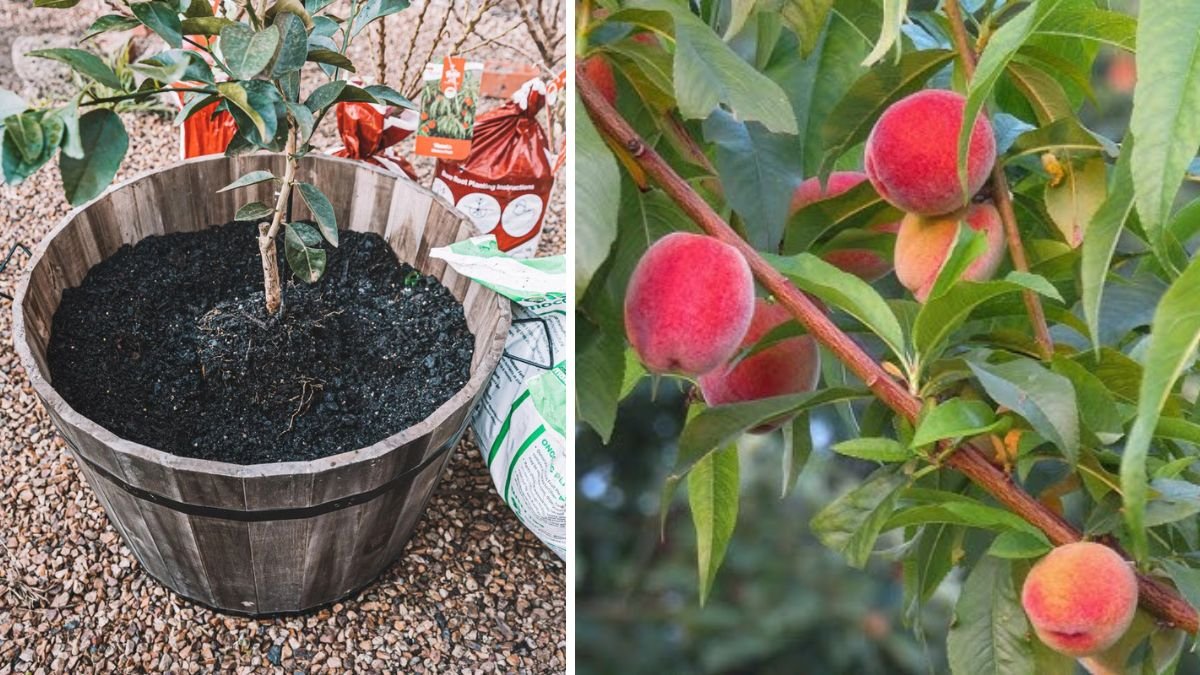

Growing nectarines in containers can be a rewarding experience for beginners and seasoned gardeners alike. Container gardening allows you to enjoy the sweet, juicy fruits of nectarines even in limited spaces, such as balconies or patios. In this guide, we will explore the essentials you need to successfully grow nectarines in containers, focusing on tips and tricks for maximizing your success!
Why Grow Nectarines in Containers?
Container gardening offers numerous advantages, particularly for nectarines:
- Space Efficiency: If you have a small garden or live in an apartment, container gardening allows you to grow fruit trees without needing a dedicated garden space.
- Mobility: Containers can be moved around to take advantage of sunlight or to protect plants from harsh weather conditions.
- Soil Control: You can customize the soil mix to optimize drainage and nutrients.
- Pest and Disease Management: Growing in containers can help minimize pests and diseases that are often found in garden soil.
Choosing the Right Container
Selecting the appropriate container is crucial for the success of your nectarine tree. Here are some key points to consider:
- Size: Choose a container that is at least 18-24 inches in diameter and 18-24 inches deep. This size is essential to accommodate the roots.
- Material: Containers can be made from various materials, such as plastic, wood, or ceramic. Make sure the material is durable and has good insulation properties.
- Drainage: Ensure that your container has drainage holes to allow excess water to escape. Without adequate drainage, roots can become waterlogged, leading to rot.
Selecting the Right Variety
Not all nectarine varieties are suitable for container growth. Here are some ideal choices:
- ‘Garden Sweet’: This self-pollinating variety is compact and can produce fruits as early as the first year.
- ‘Hardy Red’: Known for its cold tolerance, this variety is ideal for cooler climates.
- ‘Bonanza’: A dwarf variety that is prolific in fruit production, making it perfect for container gardening.
Soil Preparation
The right soil mix is vital for healthy plant growth. Here’s how you can prepare the ideal soil:
- Drainage: Use a potting mix that includes perlite or vermiculite to enhance drainage. Avoid garden soil, which can become compacted.
- Nutrients: Incorporate a slow-release fertilizer into your soil mix to ensure your nectarine tree has access to essential nutrients.
- pH Levels: Aim for a soil pH of 6.0 to 6.8, which is ideal for nectarines.
Planting Your Nectarine Tree
Once you have your container and soil ready, it’s time to plant:
- Timing: The best time to plant nectarines is in spring after the last frost.
- Planting Depth: Dig a hole in the center of the container that is deep enough for the root ball to sit just below the rim (about one inch).
- Watering: Water the tree thoroughly after planting to help settle the soil around the roots.
Watering Your Nectarine Tree
Proper watering is crucial for maintaining a healthy nectarine tree in a container. Here are some watering tips:
- Consistency: Water the tree regularly, ensuring the soil remains consistently moist but not soggy. Check the top inch of soil; if it’s dry, it’s time to water.
- Drainage: Always let excess water drain out. Avoid allowing the container to sit in water, which can cause root rot.
- Seasonal Adjustments: Be more vigilant in hot months as container soil dries out faster.
Fertilizing Your Nectarine Tree
Fertilization is essential for promoting healthy growth and fruit production:
- Type of Fertilizer: Use a balanced, slow-release fertilizer. A 10-10-10 or 14-14-14 ratio is ideal.
- Frequency: Apply the fertilizer in early spring and again in late summer, following package instructions.
- Organic Alternatives: Organic options like compost or well-rotted manure can also be effective.
Pruning for Shape and Health
Pruning is key for maintaining the size and health of your nectarines in containers:
- Timing: The best time to prune is during the dormant season in late winter to early spring.
- Technique: Remove any dead or crossing branches and thin out crowded areas to improve air circulation.
- Goal: Your goal with pruning in a container is to shape the tree and keep it manageable.
Managing Sunlight and Temperature
Nectarines thrive in full sun, so ensure your tree gets plenty of light:
- Location: Position your container in a spot that receives at least 6-8 hours of direct sunlight daily.
- Heat Awareness: In extremely hot climates, consider providing some afternoon shade to avoid sunburn on the leaves.
- Winter Protection: In colder climates, bring the container indoors or cover it with frost-resistant materials to protect it during winter.
Pest and Disease Management
Keep an eye on your tree for signs of pests or diseases:
- Common Pests: Aphids, spider mites, and fruit flies are common pests. Use insecticidal soap or neem oil as a natural pesticide.
- Diseases: Fungal diseases like peach leaf curl may affect your tree. Ensure good air circulation and avoid overhead watering to reduce the risk.
- Regular Checks: Inspect leaves and stems regularly for early signs of issues.
Harvesting Nectarines
Your patience will pay off once your nectarines are ready to harvest:
- Ripe Indicators: Harvest nectarines when they are fully colored, slightly soft to the touch, and aromatic.
- Careful Handling: Handle fruits gently to avoid bruising.
- Post-Harvest Care: Store harvested nectarines in a cool, dry place. They can also be refrigerated to prolong freshness.
FAQs
1. How often should I water my nectarine tree in a container?
Watering frequency can vary with climate and season. Generally, check the top inch of soil; if it’s dry, water. Make sure to water deeply.
2. Can I grow more than one nectarine tree in a single container?
While it’s possible, it’s not advisable, as they require enough space for their roots. It’s best to grow one tree per container for optimal growth.
3. How can I protect my nectarines from pests?
Regular inspections and early intervention are key. Use organic insecticides like neem oil or insecticidal soap for effective pest management.
4. What should I do if my nectarines are not producing fruit?
Ensure your tree is being adequately pollinated, has enough sunlight, and is properly fertilized. Some varieties may take a couple of years to bear fruit.
5. Do I need to prune my nectarine tree annually?
Yes! Regular pruning helps maintain the shape, encourages air circulation, and promotes healthy growth.
6. Can I grow nectarines indoors?
While it’s challenging, dwarf varieties can be grown indoors if placed in a sunny location. However, they may still require outdoor time for pollination and sunlight.
7. Is it necessary to use a specific type of fertilizer?
Using a balanced slow-release fertilizer is often best, but organic options like compost can also promote healthy growth.
Conclusion
Growing nectarines in containers is an achievable and enjoyable project for beginners. By choosing the right variety, container, and soil, and providing adequate care, you can enjoy a fruitful harvest even in limited space. With patience and attention, your nectarines will flourish, bringing joy and deliciousness to your home! Whether eaten fresh, baked, or made into jams, the satisfaction of growing your nectarines adds to their appeal. Start your container gardening journey today and relish the sweet rewards!