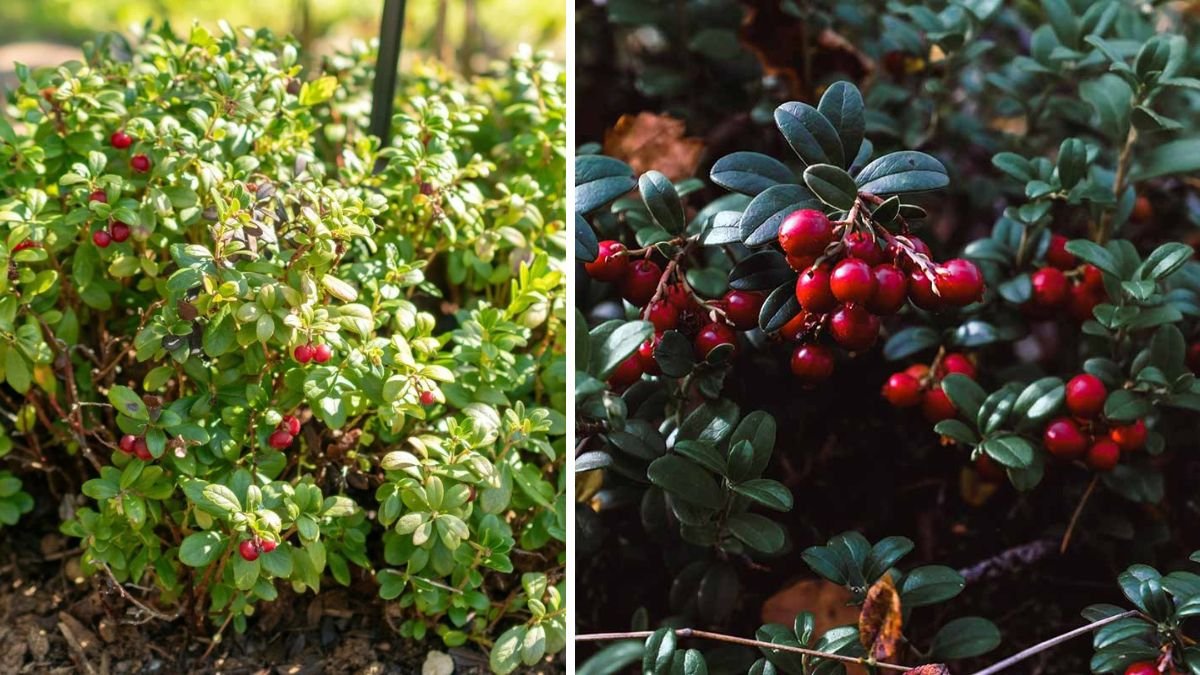

Lingonberries (Vaccinium vitis-idaea) are small, red, tart berries that grow on low evergreen shrubs native to northern regions, including Scandinavia and Canada. They are not only prized for their flavor and nutritional value but are also sought after for their potential health benefits. If you’re looking to grow lingonberries in your garden, you’re in for a rewarding experience. This article will explore proven techniques to accelerate the growth of lingonberries, ensuring a bountiful harvest.
Understanding Lingonberries
Before diving into the growth techniques, it’s essential to understand what lingonberries are and their ideal growing conditions. These hardy plants thrive in acidic soil with a pH between 4.5 and 5.5. They prefer well-drained, sandy soils that replicate their natural habitat. Lingonberries are perennials and typically grow between 8 to 24 inches tall.
Growing Conditions
- Soil Type: Lingonberries prefer acidic, well-drained soils. A sandy loam rich in organic matter is ideal.
- Sunlight: They thrive in full sun but can tolerate partial shade. Aim for at least 6-8 hours of sunlight daily.
- Watering: Lingonberries require consistent moisture, especially in dry spells, but be cautious of water-logging.
Selecting the Right Seeds or Plants
To start your lingonberry garden, purchase high-quality seeds or plants from a reputable nursery. Look for varieties that are disease-resistant and suited to your climate. Consider selecting several types for cross-pollination, which can lead to more vigorous growth and fruit production.
- Purchasing: It’s advisable to buy certified, disease-free plants.
- Varieties: Different varieties might adapt better to your local conditions or offer varied flavors.
Preparing the Garden Bed
Creating the right environment for lingonberries involves careful preparation of the garden bed. Follow these steps:
Soil Preparation
- Testing the Soil: Start with a soil test to determine pH and nutrient levels. This will guide your amendments.
- Amendments: If necessary, amend your soil with sulfur to reduce pH or organic compost. Adding peat moss can also improve acidity and moisture retention.
Bed Design
- Raised Beds: Consider using raised beds to improve drainage. This is particularly beneficial if you live in a region with heavy clay soils.
- Mulching: Apply a layer of mulch (like pine needles or shredded bark) around the plants to retain moisture, suppress weeds, and gradually acidify the soil.
Planting Techniques
Planting Time
The best time to plant lingonberries is in the spring or early fall. This timing allows the roots to establish before the stress of summer heat or winter cold.
Spacing
Space your plants approximately 12-18 inches apart to allow for proper air circulation and growth. This will help prevent fungal diseases common in densely planted areas.
Planting Method
- Digging the Hole: Make a hole deep enough to cover the root ball without bending the roots.
- Watering: After planting, water thoroughly to eliminate air pockets and ensure good root contact with the soil.
Care and Maintenance
Once your lingonberries are planted, maintaining their health is critical to accelerating growth.
Watering
Keep the soil consistently moist but not soggy. Drip irrigation can be an excellent way to ensure deep watering without over-saturating the soil.
Fertilizing
Use a fertilizer formulated for acid-loving plants. Look for slow-release options to provide steady nutrients throughout the growing season. Fertilize in early spring as new growth begins.
Pruning
Lingonberries generally require minimal pruning, but you should remove any dead or diseased branches. Light pruning after harvesting can encourage denser growth.
Managing Pests and Diseases
While lingonberries are relatively resistant to pests and diseases, regular checks can help identify any issues early on.
- Common Pests: Watch for aphids and spider mites. Use insecticidal soap if necessary.
- Fungal Diseases: Ensure good airflow around the plants to minimize the risk of fungal infections.
Accelerating Growth Techniques
Companion Planting
Certain plants, such as garlic or chives, can support the growth of lingonberries by naturally repelling pests while adding nutrients to the soil.
Soil Amendments
Regularly adding organic matter, such as compost or well-rotted manure, can improve soil structure and fertility, promoting faster growth.
Utilize Ground Covers
Using ground covers like moss or sedge can help maintain soil moisture and temperature while suppressing weeds.
Regular Harvesting
When the berries are ripe, regular harvesting can encourage the plant to produce more fruit throughout the season.
Winter Care
Protecting lingonberries in winter is crucial for their continued growth. In colder regions, consider covering plants with mulch or burlap to insulate them from freezing temperatures.
Mulching
Applying a thicker layer of mulch in late fall can protect the roots while also retaining moisture for the warmer months.
Troubleshooting Common Problems
Despite your best efforts, issues may arise. Here’s how to troubleshoot common problems:
- Poor Growth: This can often be attributed to incorrect pH levels. Retest the soil and adjust as necessary.
- Yellowing Leaves: This might indicate nutrient deficiency or overwatering. Check soil moisture and consider an appropriate fertilizer.
Harvesting Lingonberries
Lingonberries are typically ready to harvest in late summer to early fall. Hints that they are ripe include a vibrant red color and a slightly soft texture.
Best Harvesting Practices
- Timing: Harvest in dry weather for the best flavor and to minimize spoilage.
- Method: Use scissors to avoid damaging the plant, and try to leave some unripe berries for later harvest.
Conclusion
Growing lingonberries in your garden can be a fulfilling experience, yielding delicious and nutritious fruits. By understanding their requirements and following the techniques outlined in this article, you can accelerate their growth and ensure a fruitful harvest.
FAQs
1. How long does it take for lingonberries to produce fruit?
Lingonberries typically start producing fruit in their second or third year after planting.
2. Are lingonberries self-pollinating?
No, lingonberries benefit from cross-pollination, so planting more than one variety is recommended for a better yield.
3. Can I grow lingonberries in containers?
Yes, lingonberries can be grown in containers as long as they have adequate drainage and acidic soil.
4. How often should I water lingonberries?
Watering should be consistent; aim for about 1 inch of water per week, adjusting for rainfall and occurrences of dry spells.
5. What should I do if my lingonberries are not thriving?
Check the soil pH, watering practices, and light exposure. Adjusting any of these factors may help improve growth.
6. Are lingonberries frost-resistant?
Yes, lingonberries are quite hardy and can withstand frost, though protection during extreme cold can be beneficial.
7. What pests should I monitor for when growing lingonberries?
Common pests include aphids and spider mites. Regular monitoring can help you catch infestations early.
By integrating these simple techniques into your gardening practices, you will not only enhance the growth of your lingonberry plants but also enjoy their rich flavors in the years to come. Happy gardening!