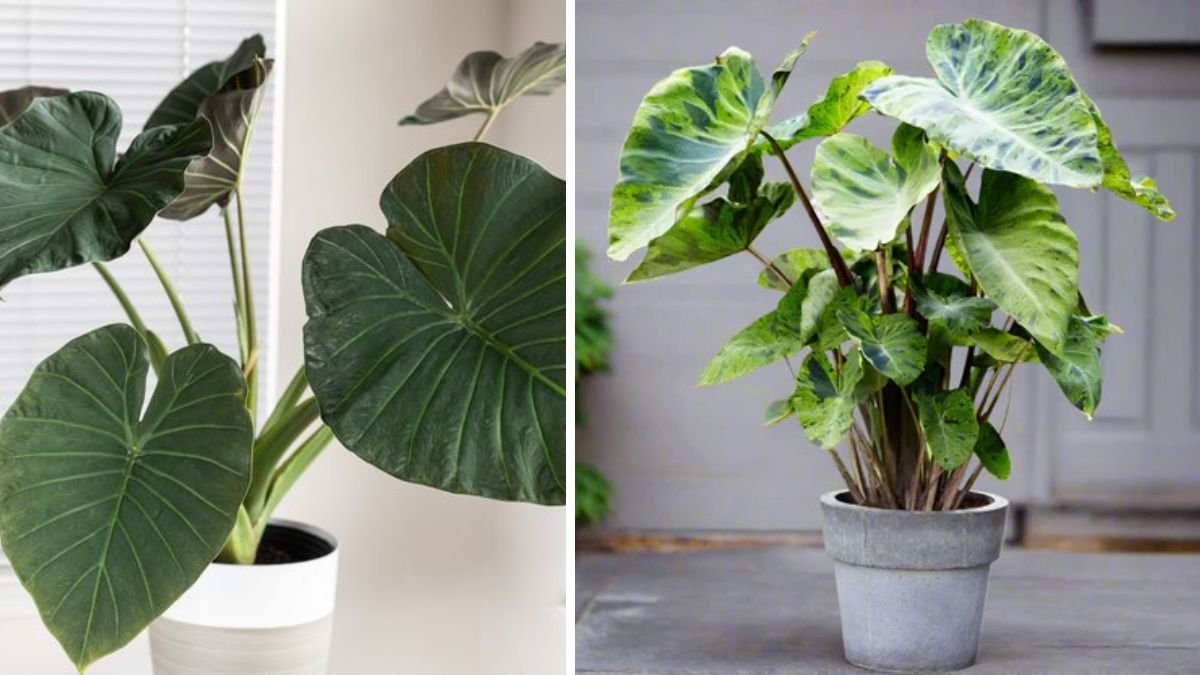

Elephant ear plants, scientifically known as Alocasia, Colocasia, and Xanthosoma, are famous for their large, striking leaves that can dominate a garden space. Their bold foliage not only adds texture and drama but also creates a tropical feel, transforming any landscape into a lush paradise. In this article, we will explore everything you need to know about growing elephant ear plants—from selection and planting to care and maintenance—ensuring your landscape is the talk of the neighborhood.
1. Understanding Elephant Ear Varieties
Before diving into the growing process, it’s essential to understand the different varieties of elephant ear plants:
-
Colocasia esculenta (Taro): Often cultivated for its edible tubers, this variety is well-suited to wet areas and can thrive in full sun to partial shade.
-
Alocasia amazonica (African Mask Plant): Known for its striking dark green leaves with prominent white veins, this variety requires a bit more care and is best suited for warm, humid environments.
-
Xanthosoma sagitifolium: Commonly referred to as the arrowleaf elephant ear, this variety grows quickly and is often used as an ornamental plant or for its edible properties in some regions.
2. Choosing the Right Location
Elephant ear plants thrive in well-draining soil and prefer locations with high humidity and good sunlight. When selecting a spot in your garden:
-
Sunlight: Most varieties enjoy full sun to partial shade, but in extremely hot climates, they benefit from some afternoon shade.
-
Proximity to Water: Many elephant ear species thrive in bog-like conditions, making them suitable for planting near ponds or water features.
-
Landscape Design: Consider the overall design of your landscape when choosing where to plant. Positioning them against a contrast of smaller plants can emphasize their size.
3. Soil Requirements
Elephant ear plants appreciate nutrient-rich, well-draining soil. Here are some steps to prepare the best soil:
-
pH Levels: Ensure soil pH is slightly acidic to neutral (between 5.5 and 7.0).
-
Organic Matter: Incorporate organic matter like compost or well-rotted manure into the soil to improve fertility and drainage.
-
Loamy Texture: The ideal soil should be loamy, providing a balance between moisture retention and drainage.
4. Planting Elephant Ear Plants
Step 1: Timing
The best time to plant elephant ear bulbs is in the spring, after the danger of frost has passed. If you live in warmer climates, you can plant them earlier.
Step 2: Bulb Selection
Choose healthy bulbs. Look for bulbs that are firm and free of mold or rot. Larger bulbs typically produce larger plants.
Step 3: Planting Technique
-
Digging the Hole: Dig a hole about 2-4 inches deep for smaller bulbs and 4-6 inches for larger ones.
-
Spacing: Space the bulbs at least 3 feet apart, allowing room for their expansive leaves.
-
Planting the Bulbs: Place the bulbs in the hole with the pointed end facing up. Cover them gently with soil and water thoroughly.
5. Watering and Fertilizing
Watering
Elephant ear plants require consistent moisture. Here’s how to manage watering:
-
Frequency: Water regularly, ensuring the soil remains damp but not waterlogged.
-
Signs of Moisture Needs: Yellowing leaves can indicate overwatering, while wilting indicates underwatering.
Fertilizing
Fertilize your elephant ears every 4-6 weeks during the growing season with a balanced, slow-release fertilizer. If using liquid fertilizer, dilute to half-strength and apply according to package instructions.
6. Providing the Right Environment
Temperature and Humidity
-
Temperature: Elephant ear plants thrive in temperatures between 65°F to 75°F. They can tolerate higher temperatures but may need more water.
-
Humidity: Increase humidity around the plants by misting or placing a tray of water nearby. These plants enjoy a tropical environment.
7. Disease and Pest Management
Elephant ear plants can be susceptible to pests and diseases. Here’s how to manage them:
Common Pests
-
Aphids: These can be controlled with insecticidal soap or neem oil.
-
Spider Mites: Increase humidity and scrub off with water or use a horticultural oil.
Common Diseases
-
Root Rot: Often caused by overwatering. Ensure proper drainage and reduce watering frequency.
-
Leaf Blight: Remove affected leaves and improve air circulation.
8. Propagating Elephant Ear Plants
Through Division
One of the easiest methods to propagate elephant ear plants is through division:
-
Timing: The best time to divide is in the spring when new growth appears.
-
Method:
- Dig up the entire plant.
- Using a clean knife, separate large bulbs into sections, ensuring each has some roots attached.
- Replant each section in well-prepared soil.
Through Bulb Offsets
Smaller bulbs can sometimes grow around the base of larger bulbs. These offsets can be carefully removed and replanted.
9. Seasonal Care
Winter Care
In regions with frost, it’s crucial to protect your elephant ear plants:
-
Frost Protection: In colder climates, dig up the bulbs before the first frost, let them dry, and store them in a cool, dry place.
-
Mulching: In warmer climates, a thick layer of mulch can protect the roots and help retain moisture.
10. Tips for Successful Growth
-
Mulching: Use mulch to keep soil moisture consistent and prevent weeds.
-
Consistent Care: Regularly inspect for pests or diseases and maintain optimal watering and feeding schedules.
-
Mixing Varieties: Plant different varieties of elephant ears together for a more dynamic landscape.
Conclusion
Growing elephant ear plants can be a rewarding experience, providing your landscape with a dramatic, tropical flair. Their bold foliage not only adds visual interest but also invites a sense of tranquility and exoticism into your garden. By following the guidelines outlined in this article—selecting the right location, preparing the soil, and maintaining consistent care—you’ll be well on your way to creating an eye-catching leaf landscape that commands attention.
FAQs
1. How tall do elephant ear plants grow?
Elephant ear plants can grow anywhere from 2 to 8 feet tall, depending on the variety and growing conditions.
2. Can elephant ear plants be grown indoors?
Yes, elephant ear plants can be grown indoors as long as they receive adequate light and humidity. Ensure they are placed near a bright window and misted regularly.
3. How often should I fertilize my elephant ear plants?
Fertilize every 4-6 weeks during the growing season with a balanced fertilizer for optimal growth.
4. What are the best conditions for elephant ear plants?
Elephant ear plants prefer full sun to partial shade, high humidity, and nutrient-rich, well-draining soil.
5. Do elephant ear plants need a lot of water?
Yes, they prefer consistently moist soil but must not sit in waterlogged conditions.
6. Can I transplant elephant ear plants?
Yes, you can transplant them, but it’s best to do so in the spring when they begin to show new growth.
By following these guidelines and addressing any challenges, you can cultivate a stunning display of elephant ear plants that enhance your landscape all season long. Happy gardening!