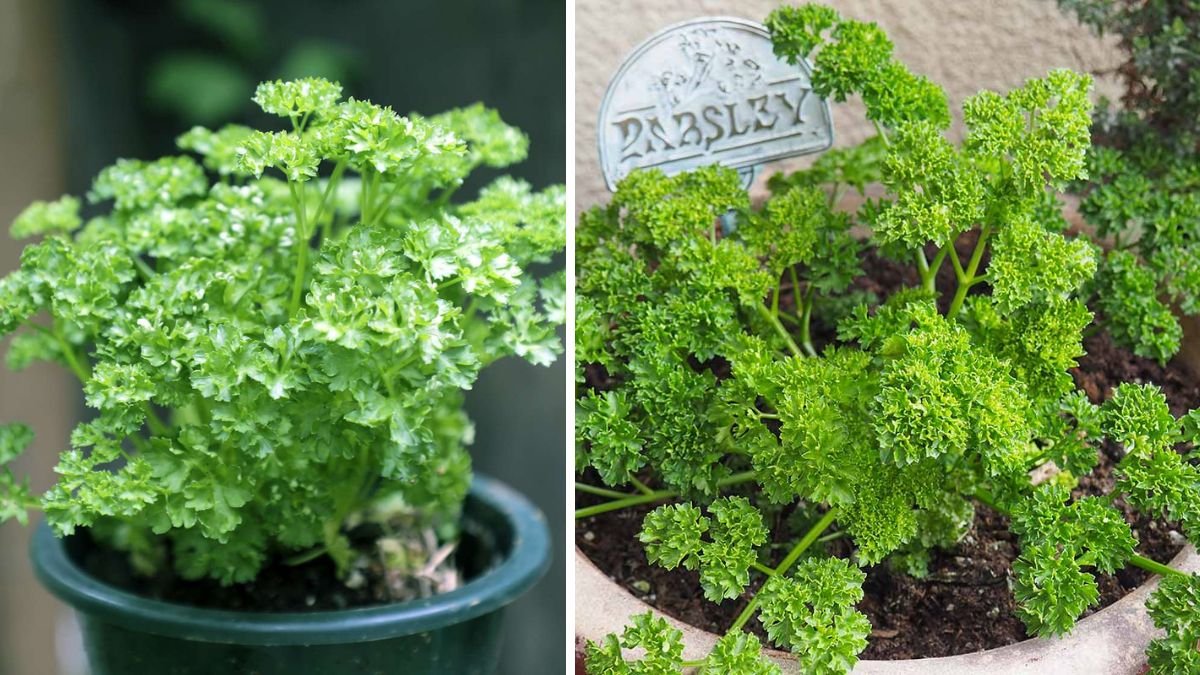

Growing your own parsley can be a rewarding endeavor, offering fresh flavors that elevate a variety of dishes. Whether garnishing a plate or acting as a key ingredient in recipes, parsley is a versatile herb that thrives in home gardens. This guide provides easy-to-follow steps for successfully germinating parsley seeds, along with care tips to ensure you reap the benefits of your harvest.
Understanding Parsley
Parsley (Petroselinum crispum) is a biennial herb commonly used in culinary dishes, dressings, and as a garnish. It is rich in vitamins A, C, and K, and also contains essential minerals such as iron and calcium. Known primarily in two varieties—curly leaf and flat-leaf (also called Italian parsley)—each has its unique flavor profile and culinary applications.
Before diving into seed germination, it’s important to understand that parsley seeds can be slow to germinate, often taking two to three weeks. The key to successful germination lies in proper preparation, planting, and care.
Step-by-Step Guide to Germinating Parsley Seeds
Step 1: Choose the Right Seeds
When selecting parsley seeds, opt for high-quality, organic varieties to ensure better germination rates and healthier plants. Look for seeds from reputable suppliers, either locally or online.
Step 2: Prepare the Soil
Healthy soil is the foundation of plant growth. Parsley thrives best in well-draining soil rich in organic matter. Here’s how to prepare your garden bed:
- Location: Choose a sunny spot in your garden, as parsley grows best in full sunlight but can tolerate partial shade.
- Soil Testing: Ideally, test your soil pH; parsley prefers a pH level between 6.0 and 7.0.
- Amendments: If you’re working with heavy clay or sandy soil, amend it with compost or well-rotted manure to improve drainage and nutrient content.
- Tilling: Turn the soil to a depth of about 12 inches, breaking up any large clumps and removing weeds.
Step 3: Soak the Seeds
Parsley seeds have a tough outer shell, which can hinder germination. Soaking seeds in water for 24-48 hours before planting can help soften the shell and improve germination rates. Here’s how to do it:
- Place your seeds in a small bowl or container.
- Cover them with water and let them soak for a day or two.
- After soaking, drain the water and let the seeds dry for a couple of hours.
Step 4: Plant the Seeds
After soaking, you can plant the seeds. Here’s how to do it effectively:
- Sowing Time: Aim to plant parsley seeds in early spring or fall, as they thrive in cool temperatures.
- Spacing: Sow seeds about ¼ inch deep and space them approximately 12 inches apart in rows.
- Seed Density: For a thicker growth, you can sprinkle seeds more densely, but be prepared to thin them later.
- Covering: Gently cover the seeds with soil and lightly tamp down to ensure good soil contact.
Step 5: Watering
Watering is crucial in the germination process. Here are some key points to remember:
- Initial Watering: After planting, water the area thoroughly but gently to avoid displacing the seeds.
- Moisture Maintenance: Keep the soil consistently moist, but not soggy. A seedling misting spray can be helpful for delicate seedlings.
- Drainage: Ensure there’s good drainage to prevent waterlogging, which can rot the seeds.
Step 6: Provide the Right Conditions
Creating the appropriate environment for your parsley seeds is vital for growth:
- Temperature: Parsley seeds germinate best at temperatures between 70°F and 75°F. If it’s too cold, consider using row covers or cloches.
- Light: Once the seeds germinate (which typically takes 2-3 weeks), ensure they receive full sunlight or at least 6 hours of light daily.
Step 7: Thinning the Seedlings
After a few weeks, you will notice seedlings beginning to sprout. Thinning is essential for healthy growth:
- Identify Strong Seedlings: Choose the healthiest seedlings to keep, ideally spacing them around 12 inches apart.
- Gently Remove Weaker Ones: Carefully pull out the weaker seedlings at the base, avoiding disturbance to the roots of your chosen plants.
Step 8: Maintenance and Care
Now that your parsley seedlings have room to grow, ongoing care is essential:
- Fertilizing: Feed the plants with a balanced, slow-release fertilizer every few weeks to promote healthy growth.
- Watering Schedule: Continue to water regularly, especially during dry spells. Deep watering is better than frequent shallow watering.
- Weeding: Regularly remove weeds to reduce competition for nutrients and water.
Step 9: Harvesting
Once your parsley plants have reached about 6-8 inches in height, they are ready to harvest. Here’s how to do it effectively:
- Cutting: Use clean scissors to cut the outer leaves, leaving the inner leaves to continue growing.
- Timing: Harvest in the morning for the best flavor and freshness.
- Continuous Cutting: You can cut parsley throughout the growing season, encouraging further growth.
Step 10: Storing Fresh Parsley
To make the most of your harvest, consider these storage methods:
- Refrigeration: Place fresh parsley in a glass of water and cover it loosely with a plastic bag in the fridge for up to a week.
- Freezing: Wash and chop parsley, then freeze it in ice cube trays filled with water or oil for easy use in cooking later on.
Frequently Asked Questions (FAQs)
Q1: Why are my parsley seeds not germinating?
Parsley seeds can take longer to germinate than some other herbs. Ensure proper soaking, ideal temperatures (70-75°F), and consistent moisture. If conditions are not right, germination can be delayed.
Q2: How can I improve the germination rate of my parsley seeds?
To improve germination, soak seeds for 24-48 hours before planting, ensure the soil is moist but not soggy, and maintain the right temperature.
Q3: How do I know when my parsley is ready to harvest?
Parsley is ready to harvest when it reaches about 6-8 inches in height. You can cut the outer leaves to encourage continuous growth.
Q4: How should I store fresh parsley?
For short-term storage, keep parsley in a glass of water covered with a plastic bag in the fridge. For long-term storage, wash, chop, and freeze in ice cube trays.
Q5: Can I grow parsley indoors?
Yes, parsley can be grown indoors. Use pots with drainage holes and place them where they can receive plenty of sunlight. Regularly rotate them for even growth.
Q6: What pests should I watch out for when growing parsley?
Common pests that may affect parsley include aphids and spider mites. Keeping the plants healthy and using organic pest control methods can help manage infestations.
Q7: Can parsley self-seed?
Yes, parsley can self-seed, allowing new plants to grow the following year. If you wish to harvest seeds, allow some plants to flower and go to seed.
Conclusion
Growing parsley from seed is a straightforward process that offers rich rewards in flavor and freshness for your culinary delights. By following these easy steps, you can enjoy a beautiful crop of parsley that enhances your dishes with its vibrant taste and nutritional benefits. Happy gardening!