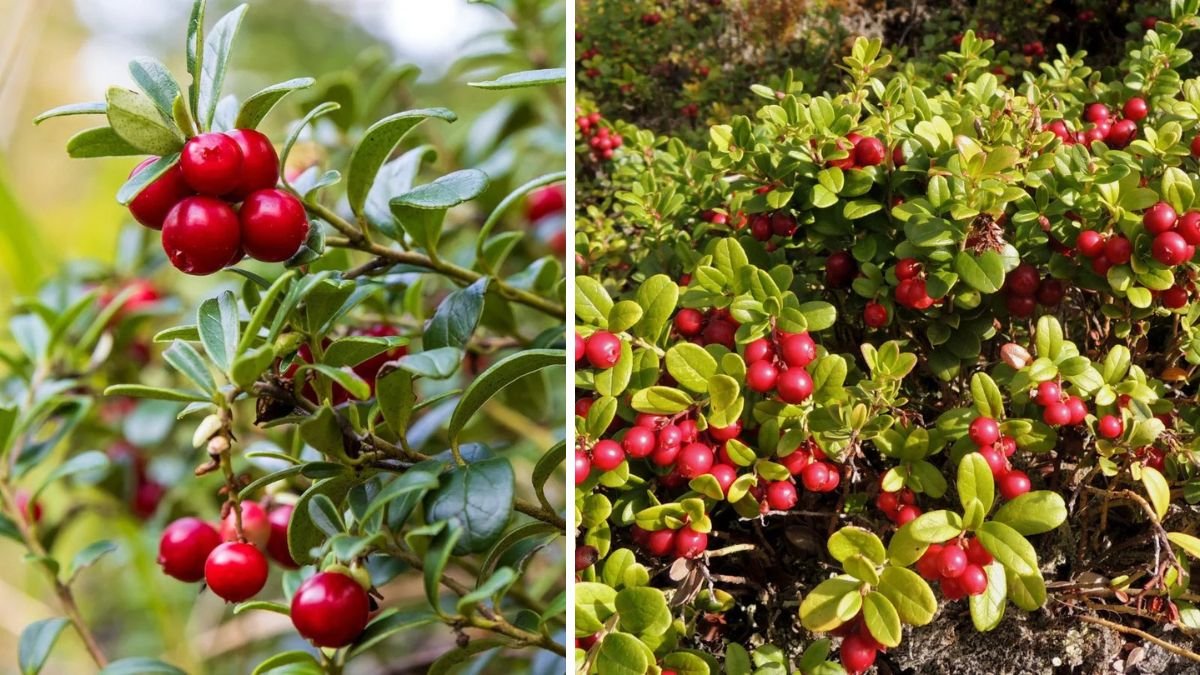

Lingonberries (Vaccinium vitis-idaea), often referred to as “mountain cranberries,” are small, tart red berries found in northern climates. Popular in Scandinavian cuisine, these berries are not just a culinary delight but also a nutritious addition to any home garden. Propagating lingonberries can be an enjoyable endeavor that yields satisfying results. This article will delve into the best techniques for efficiently propagating lingonberries in home gardens, along with practical tips and a FAQs section for further guidance.
Understanding Lingonberry
Botanical Background
Lingonberries are evergreen shrubs that typically grow about 6 to 12 inches tall, making them an excellent option for ground cover in gardens. Their glossy leaves remain vibrant throughout the year, and the small, bell-shaped flowers bloom in the spring, providing a lovely aesthetic in addition to their edible fruit.
Growing Conditions
Lingonberries thrive in acidic, well-drained soils, ideally with a pH between 4.5 and 5.5. These plants prefer partial shade to full sunlight but do well in areas that get some afternoon shade, especially in hotter climates. While they are hardy perennials, their delicate root system requires careful attention during propagation and transplanting.
Techniques for Propagating Lingonberry
1. Seed Propagation
Overview: Seed propagation is the most common method, although it requires patience, as seeds can take time to germinate.
Steps:
- Seed Collection: Collect ripe lingonberries in the fall. Extract the seeds by crushing the berries and washing them to remove the pulp.
- Stratification: Lingonberry seeds require cold stratification. Place the cleaned seeds in a breathable bag with a small amount of moist peat moss and refrigerate them for about 60 days. This simulates winter conditions.
- Sowing: After stratification, sow the seeds in early spring, about ¼ inch deep, in well-draining, acidic soil.
- Germination: Keep the soil moist but not waterlogged. Germination can take 3 to 8 weeks. Once seedlings develop a couple of true leaves, they can be transplanted into individual pots.
2. Vegetative Propagation
Overview: Vegetative propagation through cuttings or division can be a quicker means of obtaining new plants.
A. Stem Cuttings
- Timing: Late spring or early summer is ideal for taking stem cuttings.
- Preparation: Choose healthy, non-flowering stems. Cut 4 to 6 inches long with a clean, sharp knife. Remove lower leaves, leaving only the top two.
- Hormone Application (Optional): Dip the cut end in rooting hormone to encourage root development.
- Planting: Insert the cuttings into a pot filled with acidic potting soil, water well, and keep them in a humid environment (consider using a plastic bag or cutting cloche).
- Rooting Time: The cuttings should develop roots within 4 to 6 weeks. Once rooted, they can be transplanted to a garden or larger pot.
B. Division
- Timing: Early spring or fall is suitable for dividing established plants.
- Preparation: Carefully dig up a healthy lingonberry plant, ensuring to preserve as many roots as possible.
- Division: Using a sterile knife or garden spade, divide the plant into sections that each have roots and healthy stems.
- Replanting: Replant the sections immediately. Ensure proper spacing to allow for growth.
3. Layering
Overview: Layering is an effective way to propagate lingonberries, particularly for established plants that produce long shoots.
Steps:
- Selection: Choose a healthy, long shoot that touches the ground.
- Preparation: Bend the shoot down and bury a portion of it (3-4 inches) in the soil, leaving the tip exposed. You can use a U-shaped pin or landscape staple to hold it in place.
- Watering: Keep the soil moist. Roots should begin to form at the buried section within months, depending on the conditions.
- Separation: Once well-rooted, cut the new plant from the parent plant and transplant it to a new location.
4. Tissue Culture
Overview: Tissue culture allows for the rapid propagation of lingonberries in a controlled laboratory setting, but it requires more expertise and special equipment.
Steps:
- Source Material: Start with healthy, disease-free tissue from an existing lingonberry plant.
- Culture Medium: Place the tissue on a nutrient agar medium with growth hormones.
- Culturing: Maintain under sterile conditions to encourage shoot formation.
- Planting: Once shoots develop roots, transfer them to soil pots for further growth.
Optimal Care for Newly Propagated Plants
Regardless of the propagation method, newly established lingonberry plants require special care:
Watering
Keep the soil consistently moist. Young plants can easily dry out, so regular watering is essential. Mulching can help retain soil moisture and suppress weeds.
Fertilization
Apply a balanced fertilizer formulated for acid-loving plants. Over-fertilizing can harm these sensitive plants, so follow dosage instructions carefully.
Pest and Disease Management
Lingonberries are generally resilient, but be on the lookout for pests like aphids and diseases such as root rot. Regular monitoring and organic control methods can mitigate these issues.
Pruning
Annual pruning can promote bushier growth and improve air circulation. Remove any dead or diseased wood and thin crowded branches.
Harvesting Lingonberries
Lingonberries typically ripen in late summer to early fall. Harvest the berries when they are plump and bright red. Use gentle pressure when picking, and store them in a cool place to maintain their freshness.
Conclusion
Propagating lingonberries successfully in home gardens involves understanding the growth requirements and utilizing efficient techniques tailored to your gardening style. Whether you choose to propagate by seed, vegetative means, layering, or even advanced methods like tissue culture, the joy of growing your lingonberries can be immensely satisfying.
With the right care and conditions, you’ll soon enjoy your fresh, home-grown lingonberries, ready to elevate your culinary adventures and nourish your family!
FAQs
1. What are the best soil conditions for lingonberries?
Lingonberries thrive in acidic, well-draining soil with a pH between 4.5 and 5.5. Adding peat moss can help maintain the desired pH levels.
2. Can lingonberries be grown in containers?
Yes, lingonberries can grow well in containers. Ensure the pot has good drainage and use acidic, well-draining potting soil.
3. How long does it take for lingonberries to produce fruit?
Lingonberries typically start producing fruit within 2 to 3 years after planting, depending on the propagation method and growing conditions.
4. Do lingonberries require cross-pollination?
Lingonberries are self-pollinating, but planting multiple plants can enhance fruit yield due to increased cross-pollination.
5. How should I care for lingonberries in winter?
Lingonberries are hardy but can benefit from a layer of mulch to protect the roots during cold winters. Pruning should be done in late winter to early spring to encourage new growth.
By following these guidelines and techniques, you’ll be well on your way to establishing a fruitful lingonberry patch in your home garden! Happy gardening!