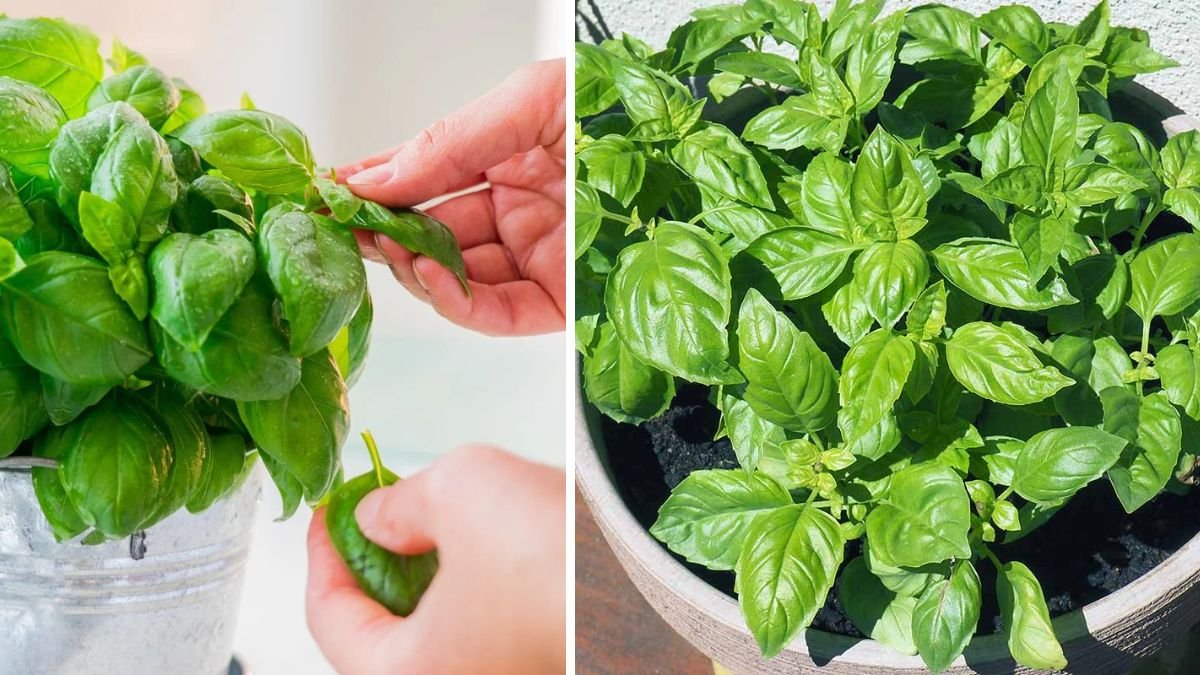

Basil (Ocimum basilicum) is one of the most beloved herbs in culinary traditions worldwide. renowned for its aromatic leaves, it adds flavor to a variety of dishes, especially in Italian, Mediterranean, and Southeast Asian cuisines. However, to maximize leaf production, it is essential to adopt techniques that prevent flowering. This guide will delve into effective strategies for growing basil without flowering, ensuring you have a plentiful supply of this aromatic herb.
Understanding Basil Growth
Before diving into the techniques, it’s vital to understand the nature of basil. This annual herb thrives in warm climates and can grow both indoors and outdoors. Basil has two life stages: vegetative and reproductive. The vegetative stage focuses on leaf growth, while the reproductive stage is marked by the formation of flowers and seeds. Flowering can detract from leaf production, as the plant allocates energy to reproduction rather than growth.
Reasons to Prevent Flowering
-
Increased Leaf Production: When basil plants flower, they divert energy away from leaf production to seed and flower development, leading to fewer leaves.
-
Improved Flavor: Flowering can alter the flavor of basil leaves. The leaves may become bitter as the plant matures and prepares to reproduce.
-
Extended Harvest Period: Keeping basil from flowering can extend the harvest period, giving you a prolonged availability of fresh leaves for culinary use.
Growing Conditions for Basil
To grow basil effectively and prevent flowering, it’s essential to create optimal growing conditions.
1. Soil Quality
Basil prefers well-draining, nutrient-rich soil. A mix of potting soil and compost works well, providing the necessary nutrition while allowing excess water to drain.
2. Watering
Basil requires consistent moisture but does not thrive in soggy conditions. Deep watering once or twice a week, depending on the environment, is usually sufficient. The soil should dry slightly between waterings.
3. Light Requirements
Basil thrives in full sun, requiring at least 6 to 8 hours of sunlight each day. If you’re growing basil indoors, consider using grow lights. Place the lights 6 to 12 inches above the plants and ensure they are kept on for 12-16 hours a day.
4. Temperature
Basil is a warm-weather plant. The ideal growing temperature ranges between 70°F and 90°F (21°C to 32°C). Protect your basil from frost; if nighttime temperatures fall below 50°F (10°C), consider bringing the plants indoors.
Techniques to Maximize Leaf Production Without Flowering
1. Regular Pruning
Pruning is one of the most effective techniques to prevent flowering and encourage bushy growth. Here’s how to do it right:
- Identify Nodes: Prune above the leaf nodes, where two leaves meet on the stem.
- Frequency: Start pruning once the plant has reached a height of 6-8 inches. Repeat this process every 2-3 weeks.
- Cutting Back: Remove the tips of the stems regularly. This encourages lateral growth and prevents the plant from bolting (flowering).
2. Pinching Off Flower Buds
As you monitor your basil plants, you may notice flower buds forming. As soon as you see these buds, pinch them off immediately:
- Early Intervention: The key is to act early. The sooner you remove flower buds, the more energy the plant will devote to producing leaves.
- Weekly Checks: Make it a habit to inspect your plants every week and remove any flower buds.
3. Optimal Harvesting Techniques
To promote more leaf growth, adopt the following harvesting techniques:
- Harvest Wisely: When harvesting, take only a few leaves from each stem. This allows the plant to continue growing.
- Cut Above the Node: Always cut just above a leaf node; this encourages two new growth shoots from the node.
4. Temperature and Light Control
Controlling the environment can significantly impact flowering:
- Shade During Hot Weather: If the temperature consistently exceeds 90°F (32°C), consider providing some shade during peak sunlight hours to prevent stress and subsequent flowering.
- Light Management: If growing indoors, adjust artificial light cycles to prevent overstimulating flowering.
5. Choose the Right Basil Varieties
Some basil varieties naturally tend to bolt sooner than others. Selecting the right cultivar can help you maximize leaf production:
- Genovese Basil: Known for its large leaves and robust flavor.
- Sweet Basil: A classic choice for various dishes, this variety is also less prone to flowering quickly.
- Thai Basil: While it has a distinct flavor, it can also flower if not monitored carefully.
6. Nutrient Management
Feeding your basil properly can prevent flowering:
- Balanced Fertilization: Use a balanced fertilizer or one high in nitrogen to promote leafy growth. Organic options include fish emulsion or seaweed extracts.
- Avoid Excess Phosphorus: High levels of phosphorus can stimulate flowering, so choose a fertilizer that’s lower in this nutrient.
7. Monitor for Pests and Diseases
Pests such as aphids, whiteflies, and spider mites can stress basil plants, leading to early bolting:
- Regular Inspections: Check under the leaves and on the stems for pests regularly.
- Natural Predators: Introduce beneficial insects, like ladybugs, or use insecticidal soap to manage pests organically.
8. Seasonal Considerations
As basil is sensitive to cold, it’s crucial to consider seasonal changes:
- Start Indoors: If you live in a cooler climate, consider starting seeds indoors 6-8 weeks before the last frost date.
- Transplant After Frost: Move seedlings outside after the danger of frost has passed.
FAQ Section
1. Can I grow basil indoors?
Yes, basil can be grown indoors. Ensure it receives adequate light, either from a windowsill or grow lights, and maintain appropriate temperatures and moisture.
2. How often should I prune basil?
Prune basil every 2-3 weeks or when the plants reach about 6-8 inches in height. This encourages bushy growth and prevents flowering.
3. What is the best way to harvest basil?
Harvest basil by taking a few leaves from each stem, cutting just above a leaf node to encourage further growth.
4. When should I pinch off flower buds?
Pinch off flower buds as soon as they appear. This helps redirect the plant’s energy toward leaf production.
5. Why is my basil turning yellow?
Yellowing leaves can be a sign of overwatering, nutrient deficiency, or stress from pests. Check soil moisture levels and inspect for pests.
6. Can basil survive winter?
Basil is not frost-tolerant and typically cannot survive winter outdoors. Consider bringing potted basil inside or starting a new batch in early spring.
7. Can I propagate basil from cuttings?
Yes, basil can easily be propagated from cuttings. Take a cutting, remove the bottom leaves, and place it in water until roots develop.
8. How do I store fresh basil?
Store fresh basil in a jar of water in the fridge, or wrap loose leaves in a damp paper towel and place them in a sealed container. Basil can also be frozen in ice cube trays for long-term storage.
Conclusion
Growing basil without flowering is an art that, when mastered, yields bountiful harvests of flavorful leaves. By understanding the growth cycle and implementing techniques such as regular pruning, vigilant monitoring for flower buds, and optimal environmental conditions, you can maximize your basil leaf production and enjoy this delightful herb in your culinary creations. Follow these guidelines, and you’ll find that your basil plants thrive, enhancing your meals with fresh, aromatic flavors year-round.