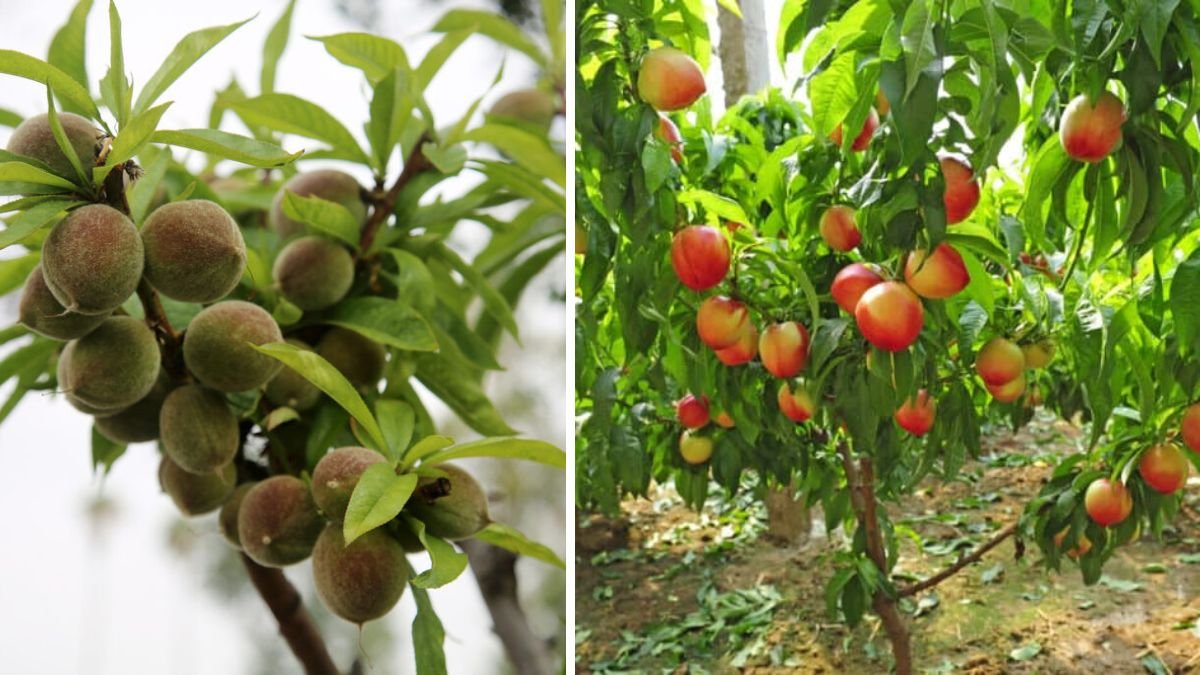

Nectarines, with their smooth skin and sweet, juicy flesh, are a delightful addition to any garden or orchard. However, cultivating nectarines in northern climates poses unique challenges due to the shorter growing seasons and cold winters. This guide aims to provide you with comprehensive strategies for successfully growing nectarines in these regions, ensuring your plants thrive and produce abundant fruit.
Understanding Nectarines
Nectarines (Prunus persica var. nucipersica) are a variety of peach, differentiated by their fuzz-free skin and slightly firmer flesh. Rich in vitamins and antioxidants, nectarines are not only delicious but also beneficial for health. They require specific climatic conditions to flourish, making it crucial to understand their growing requirements, particularly in northern regions.
Climate Requirements
Nectarines prefer warmer climates but can thrive in northern areas with careful planning. Here are some key climate considerations:
-
Chilling Hours: Nectarines require a certain number of chilling hours (the amount of time plants are exposed to temperatures between 32°F and 45°F) to break dormancy and produce fruit. Look for varieties that need fewer chilling hours, typically 300-600 hours.
-
Growing Season: Ensure that your growing season is long enough for nectarines to mature fully. Soil temperatures should be consistently above 60°F during the growing season.
-
Frost Protection: Late frosts can severely damage blossoms. Consider planting nectarines in protected spots or using frost protection methods if late frosts occur in your area.
Choosing the Right Variety
Selecting the right nectarine variety is critical. In northern climates, opt for cold-hardy varieties that have been bred for resilience. Here are some popular choices:
-
Redhaven: Known for its great taste and large fruit, Redhaven is adaptable to various climates and has a moderate chilling requirement.
-
Flamekist: This variety ripens early and produces sweet, flavorful nectarines. It’s ideal for areas with shorter summers.
-
Buzz: With an early harvest and good resistance to diseases, Buzz nectarines can thrive in northern settings.
Soil Preparation
Soil health is crucial for nectarines. Here’s how to prepare your soil properly:
-
Soil Testing: Conduct a soil test to understand pH and nutrient levels. Nectarines prefer slightly acidic to neutral soil (pH 6.0 to 7.0).
-
Amendments: Based on soil test results, add necessary amendments. Incorporate organic matter like compost or well-rotted manure to improve soil structure and fertility.
-
Drainage: Ensure the soil drains well. Nectarines are prone to root rot in overly saturated conditions. Consider raised beds if your soil retains too much moisture.
Planting Nectarines
Timing and technique are vital when planting nectarines:
-
Timing: Plant nectarines in the early spring or late fall when the soil is workable. Early spring is usually more beneficial due to warmer soil conditions.
-
Spacing: Allow sufficient space between trees (15-20 feet apart) to promote airflow and sunlight penetration, which minimizes disease risk.
-
Planting Technique:
- Dig a hole twice the width and depth of the root ball.
- Soak the root ball in water for a few hours before planting.
- Place the tree in the hole, ensuring the graft union is above soil level.
- Backfill with native soil, firm around the base, and water thoroughly.
Watering and Fertilization
Proper watering and fertilization are key to healthy growth.
-
Watering:
- Newly planted trees require consistent moisture, watering once or twice a week, depending on rainfall and temperature.
- Once established, nectarines need about an inch of water per week. Use drip irrigation for efficiency and to minimize disease risk.
-
Fertilization:
- In early spring, apply a balanced fertilizer (10-10-10 or similar) at the base of the tree.
- Follow up with additional applications based on seasonal growth patterns.
Pruning Techniques
Pruning is essential for maintaining healthy nectarine trees.
-
Timing: Prune in late winter or early spring while the tree is still dormant but before bud break.
-
Techniques:
- Remove any dead, diseased, or crossing branches.
- Open up the center of the tree to promote air circulation.
- Shape the tree to a vase-like structure to allow light to penetrate all areas.
-
Annual Maintenance: Regularly assess the tree’s form and growth, making adjustments as needed.
Pest and Disease Management
Nectarines are susceptible to various pests and diseases, but prevention is key.
-
Common Pests:
- Aphids: Control populations with insecticidal soap or introduce beneficial insects like ladybugs.
- Peach Tree Borer: Monitor for signs of tunneling near the base of the trunk and use borer preventatives as necessary.
-
Diseases:
- Brown Rot: Fungal infection affecting blossoms and fruit. Ensure good airflow and avoid overhead watering.
- Leaf Curl: A viral disease easily controlled with timely pruning in early spring.
Harvesting Nectarines
Knowing when to harvest is crucial:
- Signs of Ripeness: Nectarines are ripe when they’ve developed a deep color and are slightly soft to the touch.
- Harvest Time: Depending on the variety, harvesting can occur from late summer to early fall. Regularly check your fruit to avoid overripening.
Post-Harvest Considerations
After harvesting, proper handling ensures the longevity and quality of your nectarines.
- Cleaning: Gently wash the fruit to remove dirt and residue.
- Storage: Store in a cool, dry place or refrigerate for up to a week. Don’t stack them too high to prevent bruising.
Conclusion
Successfully growing nectarines in northern climates involves choosing the right varieties, understanding climate and soil requirements, and implementing effective care strategies. With attention to detail and proper techniques, you can enjoy delicious homegrown nectarines, adding sweetness to your summer and fall.
FAQs
1. What is the best time to plant nectarines?
The best time to plant nectarines is in early spring or late fall when the soil is workable and the risk of frost has diminished.
2. How can I protect my nectarines from late frosts?
Planting nectarines in protected areas, such as towards the south side of a building, using frost blankets, or setting up row covers can help protect your crops from late frosts.
3. How often should I prune my nectarine trees?
Prune nectarine trees annually, ideally in late winter or early spring, to maintain their shape and promote healthy growth.
4. Can nectarines be grown in pots?
Yes, nectarines can be grown in pots, but ensure the pot is large enough (at least 15 gallons) and use a rich potting mix to maintain proper moisture and nutrients.
5. What common diseases affect nectarines, and how can I prevent them?
Common diseases include brown rot and leaf curl. Prevent them by ensuring good airflow, avoiding overhead watering, and practicing regular pruning. Consider fungicide treatments if necessary.