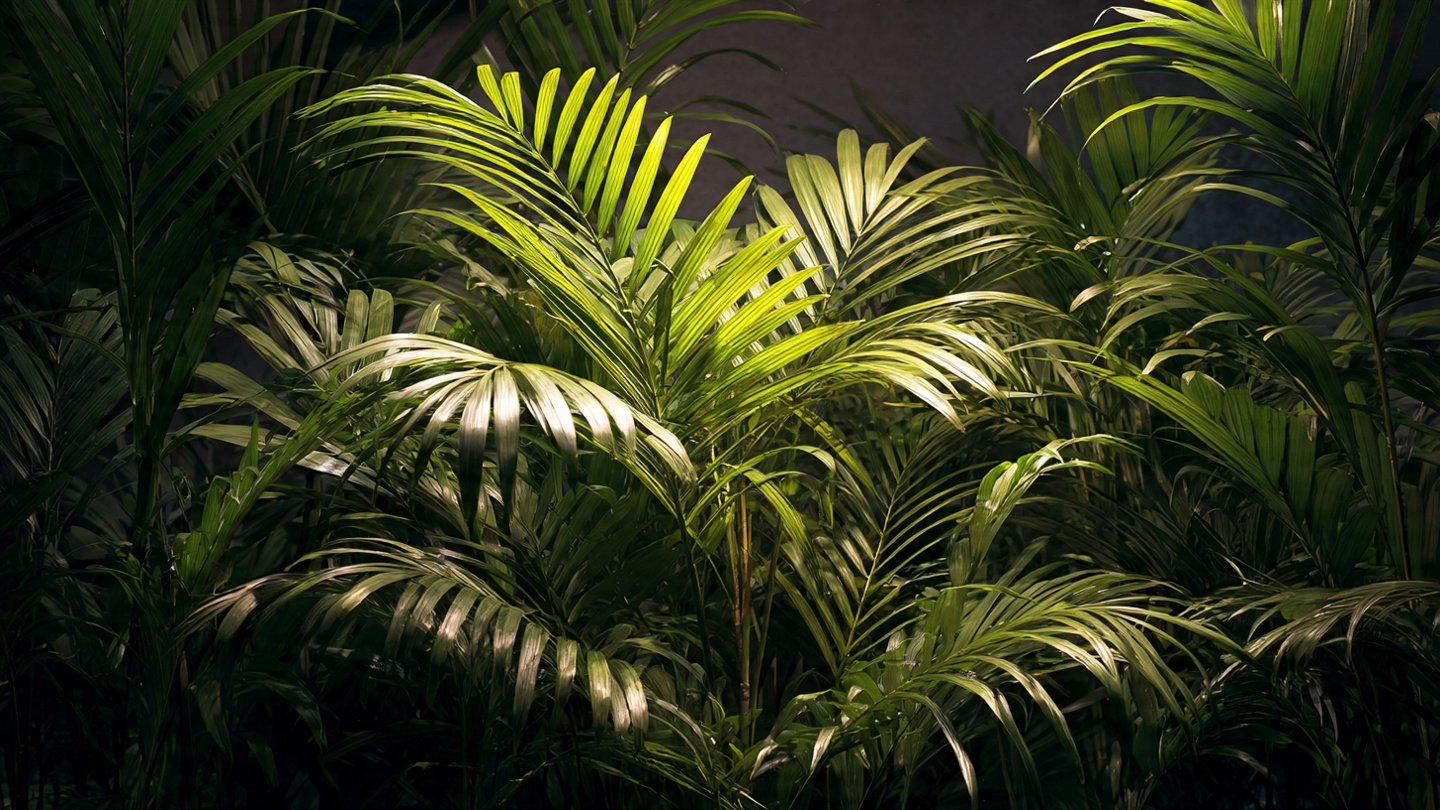

Palms are renowned for their tropical elegance, bringing a touch of paradise to any indoor space. However, growing palm plants in low light conditions can pose significant challenges. Not all palms are well-suited for dim lighting, but some species not only survive but thrive under such circumstances. This article delves into the best methods for growing palm plants successfully in low-light conditions, ensuring a lush, green addition to your home or office.
Understanding Low Light Conditions
Before we explore specific methods, it’s essential to understand what low light conditions entail. Low light does not mean complete darkness; rather, it’s an environment where direct sunlight is limited. Areas with north-facing windows, spots away from windows, or rooms with only artificial lighting are considered low-light environments.
Most palms thrive in bright, indirect sunlight, but several can adapt to lower light levels. By understanding their needs and making adjustments, you can create the ideal atmosphere for these stunning plants.
Selecting the Right Palm Species
Choosing the right palm species is crucial for success. Here are a few palms that are well-known for their tolerance to low light:
1. Kentia Palm (Howea forsteriana)
The Kentia palm is a slow-growing species preferred for indoor settings. It can tolerate low light and irregular watering, making it ideal for beginners. With its graceful fronds, it adds a tropical atmosphere to any room.
2. Parlor Palm (Chamaedorea elegans)
The Parlor palm is one of the best choices for low light. It has a compact growth habit and can thrive in dim settings. This palm does well with minimal care, making it a great option for those new to plant care.
3. Bamboo Palm (Chamaedorea seifrizii)
The Bamboo palm can tolerate shade and brings a unique aesthetic to your space. It also acts as a natural air purifier, improving indoor air quality while thriving in low light.
4. Areca Palm (Dypsis lutescens)
Although it prefers brighter conditions, the Areca palm can adapt to lower light levels. It is fast-growing and fills spaces nicely, making it an excellent choice for larger indoor areas.
5. Lady Palm (Rhapis excelsa)
Another robust option, the Lady Palm can survive in low light and is quite forgiving of neglect. Its lush foliage creates an inviting atmosphere, making it a favored choice among indoor gardeners.
Best Practices for Growing Palms in Low Light
Once you’ve selected a suitable palm, implementing the right care techniques can significantly improve your chances of success. Here are the best practices:
1. Proper Placement
- Choose the Right Spot: Even in a low-light environment, place your palm near windows if possible. North-facing windows often provide just the right amount of indirect light.
- Avoid Direct Sunlight: Ensure your palm is protected from direct sunlight. This can scorch its leaves, which can be particularly problematic in low-light conditions.
2. Watering Wisely
- Moderate Watering: One of the most common mistakes is overwatering. Palms in low light typically require less water than when they are in brighter settings. Before watering, check the top inch of the soil; if it feels dry, it’s time to water.
- Well-Draining Soil: Use a well-draining potting mix to avoid waterlogging. A blend specifically designed for palms or houseplants will aid in drainage.
3. Humidity Levels
- Increase Humidity: Many palm species thrive in humid conditions. You can enhance humidity by placing a humidifier nearby or setting the plant on a tray filled with water and pebbles.
- Misting: Regularly misting your palm can also help in maintaining moisture levels and preventing leaf browning.
4. Fertilization
- Choose the Right Fertilizer: Use a balanced, water-soluble fertilizer during the growing season (spring and summer). Fertilize every 4-6 weeks to provide essential nutrients.
- Reduce Fertilizer in Winter: During the dormant winter months, reduce or eliminate fertilization, as palms do not actively grow in low-light conditions.
5. Pruning and Cleaning
- Regular Cleaning: Dust can accumulate on leaves, blocking the light that reaches the plant. Wipe the leaves with a damp cloth or give them a gentle shower periodically.
- Pruning Dead Leaves: Trim away dead or yellowing fronds to promote healthier growth and maintain aesthetics.
6. Supplemental Lighting
- Grow Lights: If natural light is minimal, consider using grow lights. Full-spectrum LED or fluorescent lights are excellent for providing the needed light spectrum without overheating your plants.
- Duration of Light: Aim for around 12-14 hours of light a day when using artificial lighting to simulate a natural day-night cycle.
7. Monitoring for Pests
- Regular Checks: Low-light conditions can foster pest problems, so regularly check your palms for pests such as spider mites or mealybugs.
- Use Insecticidal Soap: If you find pests, treat your palm with insecticidal soap or neem oil to provide a safe and effective solution.
8. Patience and Adaptation
- Give it Time: Plants often require some time to adapt to their environment. If your palm starts to show signs of stress, be patient and ensure you are meeting its care requirements.
- Adapt to Changes: Monitor your palm’s health closely and be willing to adjust care strategies based on its response to the conditions.
Troubleshooting Common Issues
While palms are generally hardy, you may encounter issues that require immediate attention. Here are some common problems and their solutions:
1. Yellowing Leaves
Yellowing can be due to overwatering, lack of nutrients, or insufficient light. Reduce watering and check the soil quality. If needed, fertilize appropriately.
2. Brown Leaf Tips
Brown leaf tips often indicate low humidity or underwatering. Increase humidity levels and ensure consistent watering practices.
3. Dropping Leaves
If your palm is shedding leaves, it may be adjusting to a new environment, or it could be due to overwatering or pests. Assess the care you’re providing and adjust accordingly.
4. Slow Growth
In low light, growth can be sluggish. Evaluate the light conditions and consider supplementing with grow lights if necessary.
FAQs
1. Can all palm plants grow in low light?
No, not all palm species can tolerate low light. Choosing shade-tolerant species like the Kentia, Parlor, or Lady Palm is advisable.
2. How often should I water my palm in low light?
Watering frequency depends on several factors, including humidity and temperature. Generally, check the top inch of soil. If it’s dry, it’s time to water.
3. Do I need to fertilize my palm plant?
Yes, fertilization is essential during the growing season. Use a balanced fertilizer every 4-6 weeks but reduce feeding in winter.
4. What is the ideal humidity level for palm plants?
Most palms prefer humidity levels of 40-60%. You can raise humidity through misting or using a humidifier.
5. How can I boost the light available to my palm?
Consider using grow lights, which can provide the necessary light spectrum for growth. Aim for 12-14 hours of light per day if using artificial lighting.
6. Is it normal for palm leaves to turn yellow?
Yellowing leaves can indicate various issues, including overwatering, nutrient deficiencies, or low light. Assess your plant’s care to make necessary adjustments.
Conclusion
Growing palm plants in low light conditions is certainly achievable with the right strategies in place. By selecting the right species, understanding their care needs, and creating a conducive environment, you can enjoy the unique beauty and benefits of palm plants in your home or office. With patience and attention, these resilient palms will surely flourish in their shaded spots, bringing lush greenery and a tropical feel to your indoor spaces.