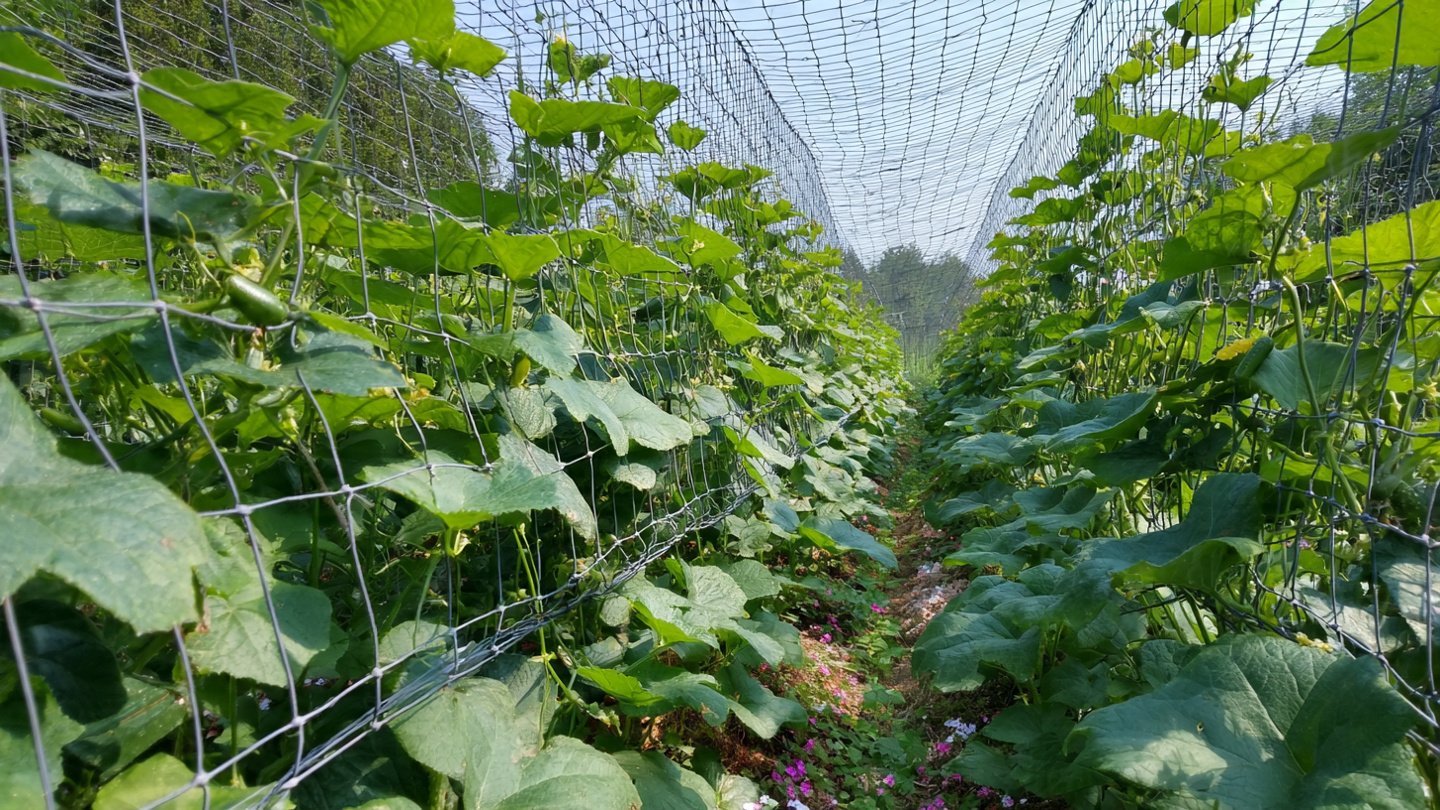

Cucumbers are a popular choice for home gardens and commercial operations alike due to their crisp texture and refreshing flavor. However, growing cucumbers effectively requires proper training methods to ensure that your plants reach their full potential. Training cucumber vines on a net not only maximizes yield but also helps in disease prevention and ease of maintenance. This article will explore effective techniques for training cucumber vines on a net and provide useful FAQs to guide you in your gardening journey.
Why Train Cucumber Vines on a Net?
Training cucumber vines on a net or trellis provides several benefits:
- Space Efficiency: Vertical growing saves ground space, allowing you to plant more cucumbers in a smaller area.
- Improved Air Circulation: Proper spacing enhances airflow, reducing the likelihood of fungal diseases that thrive in humid conditions.
- Ease of Harvesting: Cucumbers grown vertically are easier to spot and pick, which can boost overall yields.
- Better Sun Exposure: Vertical training ensures that all leaves receive adequate sunlight, promoting photosynthesis and fruit production.
- Reduced Pest Issues: Elevating the plants can keep cucumbers away from soil-borne pests and diseases.
Choosing the Right Support System
Before you start planting, it’s crucial to select an appropriate support system for your cucumber vines. Here are some common options:
1. Trellises
Materials: Wooden or metal frames, wire mesh, or plastic netting.
- Wooden Trellises: Durable and easily customizable, wooden trellises are ideal for backyard gardens.
- Metal Trellises: These are more resistant to weathering and can support heavier cucumber varieties.
- Plastic Netting: Lightweight and easy to install, plastic netting works well for supporting lighter varieties like pickling cucumbers.
2. Fencing
Materials: Chain-link or wooden fencing.
Using an existing fence can save time and costs. Make sure the height is adequate for climbing varieties.
3. Garden Arches
A decorative option, garden arches can provide an elegant touch while supporting your cucumber plants. Ensure that the frame is sturdy enough to withstand wind and the weight of mature cucumbers.
4. Cages
Wire cages made from garden fencing can also be effective, especially for bush varieties. They should be at least 5-6 feet tall to allow adequate room for growth.
Planting Techniques
Step 1: Soil Preparation
Cucumbers thrive in well-drained, nutrient-rich soil. Before planting, enrich your soil with compost or well-rotted manure. A pH of 6.0 to 6.8 is ideal. Test your soil and amend it as necessary.
Step 2: Seed Selection
Choose disease-resistant cucumber varieties that are suitable for your climate. Options include:
- Slicing Cucumbers: ‘Marketmore 76’ or ‘Burpless’ for fresh salads.
- Pickling Cucumbers: ‘Boston Pickling’ or ‘Kirby’ ideal for canning.
Step 3: Planting
- Timing: Plant cucumbers after the last frost date when soil temperatures are consistently above 60°F (15°C).
- Spacing: Space plants 12-18 inches apart in rows that are 3-4 feet apart.
- Depth: Sow seeds approximately 1 inch deep.
Training Techniques
Step 1: Initial Support
Once seedlings have grown to about a foot tall, it’s time to introduce them to the support system:
- Gently guide the vines toward the net or trellis.
- Use soft ties or garden twine to secure the stems if necessary, but avoid tight bindings that can strangle the vines.
Step 2: Vertical Orientation
Encourage a vertical growth habit by gently tying the main stem to the net. As the plant grows, periodically check and guide the side shoots and tendrils.
Step 3: Pruning
Regular pruning can help to direct growth:
- Remove excess foliage that might block sunlight from other leaves or fruits.
- Pinch off the tips of branches to encourage bushier growth and more fruit production.
- Eliminate any damaged or diseased leaves to keep the plant healthy.
Step 4: Regular Tying
As cucumbers grow, you’ll need to regularly tie them to the net to ensure they remain upright:
- Use soft ties made of fabric or twine to avoid damaging the stems.
- Be mindful of the weight of fruit; if necessary, provide additional support using slings made from fabric or old pantyhose.
Step 5: Monitoring Growth
Keep a close eye on your plants as they grow:
- Adjust ties and supports as necessary to ensure that the vines are not becoming entangled or overly weighted down.
- Watch for pests like cucumber beetles or aphids and treat them promptly.
Watering and Nutrient Management
Cucumbers require consistent moisture for optimal growth:
- Watering: Aim for 1-2 inches of water per week. Use soaker hoses or drip irrigation to ensure deep watering without wetting the foliage, which can lead to diseases.
- Fertilization: After about 4-6 weeks of growth, apply a balanced fertilizer to support further development.
Harvesting
When cucumbers are ready to harvest:
- Check for size—most slicing cucumbers should be 6-8 inches long, while pickling varieties are often 4-6 inches.
- Harvest regularly to encourage more fruiting and prevent overripening.
Common Challenges
Pests and Diseases
While vertical growing can reduce some pest issues, it’s still important to monitor for common problems:
- Cucumber Beetles: Apply insecticidal soap or neem oil if infestations occur.
- Powdery Mildew: Encourage good airflow and practice crop rotation to prevent disease.
Environmental Factors
- Heat Stress: During hot periods, provide shade cloth to prevent wilting.
- Cold Snaps: Use row covers to protect seedlings from unexpected frosts.
Marrying Techniques for Maximum Yield
To achieve the best yield from your growing efforts, integrating various techniques is key. For example, companion planting (grouping cucumbers with beneficial plants like beans and radishes) can result in healthier plants that yield more fruit. Regular monitoring and care, combined with strategic pest control and irrigation practices, can also enhance your results.
Conclusion
Training cucumber vines on a net is a rewarding approach to maximizing yield while also minimizing pest and disease risks. By preparing your soil, selecting the right support systems, and implementing effective training techniques, you’ll set yourself up for a bountiful cucumber harvest. Happy gardening!
FAQs
Q1: How often should I water my cucumber plants?
A1: Cucumber plants typically need 1-2 inches of water per week. Adjust based on rainfall and monitor the soil’s moisture level.
Q2: Can I use any netting for cucumber vines?
A2: Yes, but choose sturdy netting or trellising that can support the weight of mature cucumbers. Options include wire mesh, plastic netting, or trellis materials.
Q3: Should I prune cucumber vines?
A3: Yes, regular pruning helps channel energy toward fruit production, reduces overcrowding, and improves air circulation.
Q4: When can I expect to harvest my cucumbers?
A4: Depending on the variety, cucumbers are typically ready for harvest 50-70 days after planting.
Q5: How can I prevent pests from attacking my cucumber plants?
A5: Regular monitoring, maintaining plant health, using row covers, and introducing beneficial insects can help reduce pest incidences.
Q6: What is the best time to plant cucumbers?
A6: Plant cucumbers in the spring after the last frost date when soil temperatures reach at least 60°F (15°C).
By following these guidelines, you can create an effective growing environment for your cucumber vines, ensuring a plentiful harvest each season.