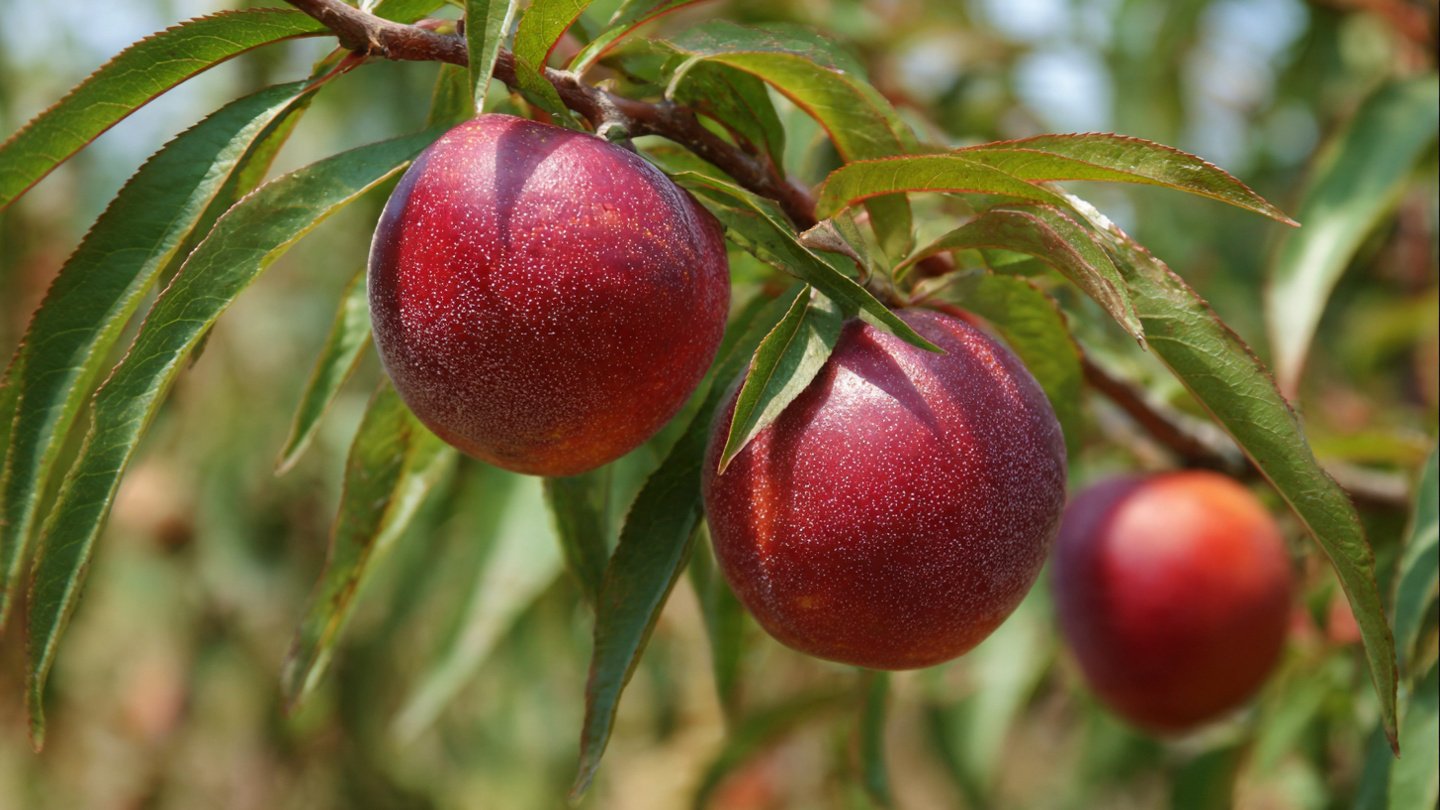

Growing nectarines in your home garden can be a highly rewarding endeavor. Not only are these succulent, juicy fruits delicious, but they also add beauty to your landscape. Cold-hardy nectarine trees are specifically bred to withstand harsher winter climates, making them suitable for many gardeners who thought they couldn’t grow this fruit. This guide will explore the essential aspects of cultivating cold-hardy nectarine trees, from selecting the right variety to caring for your tree throughout the seasons.
Understanding Cold-Hardy Nectarine Trees
What Are Cold-Hardy Nectarine Trees?
Cold-hardy nectarines are varieties of nectarine trees that can survive in USDA hardiness zones 4 through 7. Typically, nectarines are associated with warmer climates, but specialized cultivars—such as ‘Arctic Sweet’ and ‘Hardired’—have been developed to withstand lower temperatures. These trees not only thrive in colder climates but also produce delicious fruit, despite facing the challenges of frost and chilly weather.
Benefits of Growing Cold-Hardy Nectarines
-
Delicious Fruit: Nectarines are known for their sweet and aromatic flesh. Cold-hardy varieties retain this quality, offering home gardeners a delectable treat.
-
Lower Maintenance: These trees are often more resilient and can adapt to colder conditions, which can lead to less pest and disease pressure compared to more sensitive varieties.
-
Aesthetic Appeal: With beautiful blooms in spring and vibrant foliage, cold-hardy nectarine trees can enhance the visual appeal of your garden.
-
Space-Efficient: Many cold-hardy varieties are adapted for smaller spaces, making them suitable for urban gardens or those with limited room.
Selecting the Right Variety
When choosing a cold-hardy nectarine tree, consider the following popular varieties:
-
‘Arctic Sweet’: This variety is known for its sweet, yellow-fleshed nectarines. It can withstand temperatures as low as -20°F and produces fruit in July.
-
‘Hardired’: Another excellent choice, this tree bears medium-sized fruits with excellent flavor. It is tolerant of cold weather and gives fruit in late summer.
-
‘Sunred’: This variety not only offers sweet nectarines but also features a beautiful pink-blush color. It’s suitable for zones 4-8.
-
‘Cresthaven’: A classic choice, ‘Cresthaven’ is renowned for its flavor and firmness. This tree does well in varied climates and is also cold-hardy.
Be sure to choose a variety suited for your specific hardiness zone.
Site Selection and Preparation
Ideal Growing Conditions
-
Sunlight: Nectarine trees require at least 6-8 hours of full sunlight a day. Choose a location that receives ample sunlight for optimal growth.
-
Soil Type: They prefer well-draining, loamy soil rich in organic matter. Heavy clay soils can impede root development and lead to root rot.
-
Space: Plan for adequate spacing between trees; a distance of about 15-20 feet ensures good air circulation and reduces disease risk.
Preparing the Soil
-
Soil Testing: Before planting, consider having your soil tested. This analysis will inform you of pH levels and nutrient contents, allowing you to amend the soil as needed.
-
Amendments: To improve soil structure, incorporate organic matter such as compost, well-rotted manure, or leaf mold. Aim for a pH of around 6.0 to 7.0 for optimal growth.
-
Drainage: If drainage is a concern, consider creating raised beds or mounds to facilitate water runoff.
Planting Your Cold-Hardy Nectarine Tree
When to Plant
The best time to plant cold-hardy nectarine trees is in early spring or fall while trees are still dormant. Planting during these times allows the tree to establish roots before the onset of extreme temperatures.
Planting Steps
-
Digging the Hole: Dig a hole that is twice the width and depth of the root ball of your tree.
-
Spacing: If planting multiple trees, ensure they are spaced adequately (15-20 feet apart).
-
Positioning: Place the tree in the hole, making sure the graft line (the swollen area where the rootstock meets the scion) is above soil level.
-
Backfilling: Fill in with the original soil, gently patting it down to eliminate air pockets.
-
Watering: Water thoroughly after planting to help settle the soil around the roots.
Care and Maintenance
Watering
-
Initial Watering: It’s essential to keep the soil consistently moist during the first year. Water deeply once or twice a week, depending on rainfall and temperature.
-
Established Trees: Once established, watering can be reduced to once every two weeks. Be cautious of overwatering, which can lead to root rot.
Fertilization
-
When to Fertilize: Apply a balanced fertilizer in early spring, just before blooming. Avoid fertilizing in late summer to prevent new growth that might not harden off before winter.
-
Types of Fertilizer: Choose a fertilizer high in nitrogen and moderate in phosphorus and potassium (e.g., 10-10-10). Organic options, such as composted manure, can also work effectively.
Pruning
-
Timing: Prune your nectarine tree in late winter or early spring before the buds swell.
-
How to Prune: Focus on removing dead or diseased branches and thinning out crowded areas to encourage air circulation and sunlight penetration. Aim for an open center tree structure to improve fruit production.
Pest and Disease Management
-
Common Pests: Watch for aphids, scale, and brown rot, which can affect nectarines. Use organic pest control methods, like neem oil, to minimize damage.
-
Fungal Issues: Prevent issues like peach leaf curl and other fungal diseases by ensuring good air circulation and proper watering techniques.
Harvesting
-
When to Harvest: Nectarines are typically ready for harvest in mid to late summer, depending on the variety. A ripe nectarine should have a full color and give slightly when squeezed.
-
How to Harvest: Gently twist the fruit off the branch. If it doesn’t come away easily, it may need more time to ripen.
-
Post-Harvest: Handle harvested fruit carefully to avoid bruising. Store ripe nectarines at room temperature to allow them to develop their full flavor.
FAQs
Q: How long does it take for a cold-hardy nectarine tree to produce fruit?
A: Generally, cold-hardy nectarine trees can start fruiting within 2 to 4 years after planting, depending on the variety and care.
Q: Can I grow cold-hardy nectarines in pots?
A: Yes, many cold-hardy varieties can be grown in pots. Ensure you choose a large container (at least 20 gallons) with good drainage and similar care practices.
Q: Do I need a pollinator for cold-hardy nectarines?
A: Most cold-hardy nectarine varieties are self-pollinating, meaning you won’t need a second tree for pollination. However, having more than one tree can lead to improved fruit set and size.
Q: What should I do if my tree is not producing fruit?
A: Lack of fruit production can result from several factors: insufficient sunlight, improper watering, and diseases. Check for proper care and ensure your tree is healthy.
Q: How can I protect my tree from cold damage in winter?
A: Mulching around the base can help insulate the roots. Additionally, wrapping the trunk or using tree guards can protect against extreme cold and rodent damage.
Q: How often should I fertilize my tree?
A: Fertilize in early spring with a balanced fertilizer. Generally, once a year is sufficient unless you’re improving soil health.
Conclusion
Growing cold-hardy nectarines can be a delightful addition to your home garden. By following these guidelines—from selecting the right variety to providing adequate care and maintenance—you can enjoy the fruits of your labor in your very own backyard. With patience and diligence, your cold-hardy nectarine trees can thrive and produce bountiful harvests for years to come. Happy gardening!