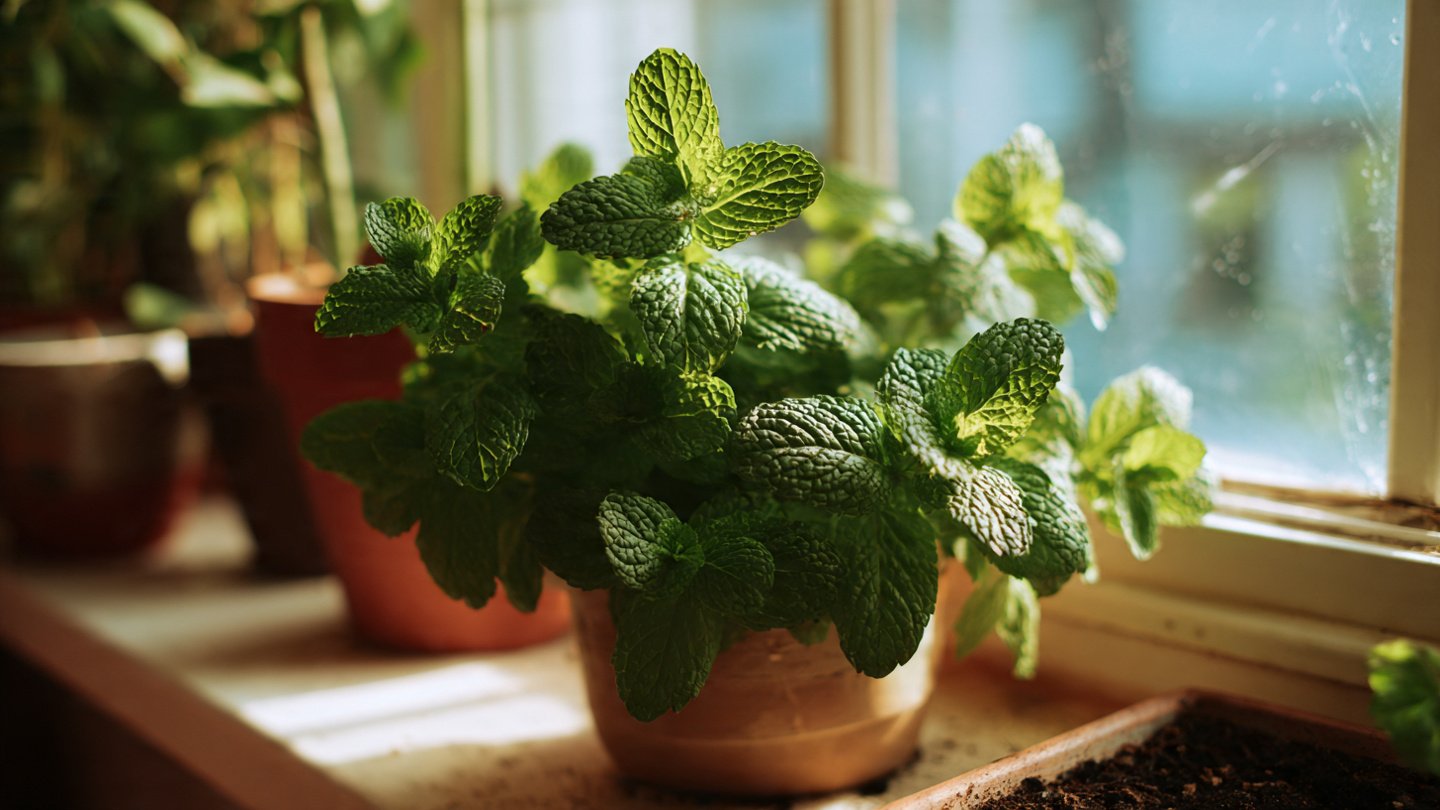

Mint is a beloved herb used in various culinary dishes, beverages, and teas. Its fresh aroma and invigorating taste make it a favorite among home cooks and professional chefs alike. While many people grow mint outdoors in their gardens, it is entirely feasible to cultivate this herb indoors throughout the year. In this article, we’ll explore how to grow mint effortlessly inside your home, catering to both novices and seasoned plant enthusiasts.
The Benefits of Growing Mint Indoors
Before diving into the how-to, let’s look at some compelling reasons for growing mint indoors:
- Continuous Supply: Having a fresh supply of mint on hand allows you to whip up delicious mojitos, mint-infused teas, or flavorful garnishes at any time.
- Space Efficiency: Mint can thrive in containers, making it a perfect fit for small apartments or kitchens with limited space.
- Air Purification: Plants like mint can help improve indoor air quality by absorbing toxins and releasing oxygen.
- Pest Deterrent: The strong scent of mint can also repel certain pests, providing a natural form of pest control within your home.
- Therapeutic Benefits: Gardening can serve as a form of mindfulness, reducing stress and promoting a sense of well-being.
Choosing the Right Mint Variety
Mint comes in several varieties, each with its unique flavor profile. Here are a few popular types you can grow indoors:
- Peppermint (Mentha × piperita): Known for its strong flavor, peppermint is excellent for teas, candies, and desserts.
- Spearmint (Mentha spicata): This variety is softer and sweeter and is commonly used in cooking, especially in Mediterranean dishes.
- Chocolate Mint (Mentha × piperita ‘Chocolate’): A delightful option for chocolate lovers, this mint has a subtle chocolate undertone.
- Apple Mint (Mentha suaveolens): With a fruity aroma, apple mint is perfect for salads and herbal teas.
Choose a variety based on your culinary preferences and what you’re most likely to use.
Essential Supplies for Growing Mint Indoors
To get started on your mint-growing journey, you’ll need the following supplies:
1. Container:
Select a pot that is at least 6-8 inches deep with good drainage holes. Mint has a robust root system and benefits from having space to spread out.
2. Potting Mix:
Use a well-draining potting mix that retains moisture but also allows excess water to drain away. A blend of peat moss, vermiculite, and perlite is ideal.
3. Lighting:
Mint thrives in bright, indirect sunlight. If your home doesn’t have enough natural light, consider using grow lights. Aim for 12-16 hours of light per day.
4. Watering Can:
A watering can with a spout will help you water your mint without over-saturating the soil.
5. Fertilizer:
Use a balanced, water-soluble fertilizer every 4-6 weeks during the growing season to nourish your mint.
Step-by-Step Guide to Growing Mint Indoors
Step 1: Planting the Mint
- Preparation: Begin by preparing your container with a layer of potting mix. Leave about one inch of space from the top.
- Seeds vs. Cuttings: You can grow mint from seeds, cuttings, or small plants.
- Seeds: If you choose seeds, scatter them evenly over the soil and cover lightly with more mix.
- Cuttings: If you prefer cuttings, take healthy stems from an existing mint plant and place them in water until roots form (around 1-2 weeks), then transfer them to the potting mix.
- Watering: After planting, water the soil thoroughly until it’s damp but not soggy.
Step 2: Providing the Right Conditions
- Light: Position your mint in a bright spot, like a south-facing window, or set up grow lights as needed.
- Temperature: Mint prefers a temperature range of 65-75°F (18-24°C). Avoid placing it near drafty windows or heating vents.
- Humidity: Mint thrives in moderate humidity. If your home is dry, consider misting the leaves or placing a small humidifier nearby.
Step 3: Maintenance
- Watering: Keep the soil consistently moist but not waterlogged. Water when the top inch of soil feels dry.
- Fertilizing: As mentioned, use a balanced fertilizer every 4-6 weeks. Be cautious not to over-fertilize, as it can lead to excessive foliage growth but reduced flavor.
- Pruning: Regularly pinch back the tips of the stems to encourage bushy growth. This practice helps maintain healthy plants and prevents them from becoming leggy.
- Pest Monitoring: Watch for common pests like aphids and spider mites. If you notice any, treat your mint with insecticidal soap or neem oil.
Step 4: Harvesting Mint
Once your plant has grown healthy leaves, you can begin harvesting.
- Timing: Wait until the plant is about 6-8 inches tall before harvesting.
- Cutting: Use clean scissors to snip off leaves or entire stems. Always leave at least one-third of the plant to ensure it can continue growing.
- Storage: Use fresh mint immediately, or store it in the fridge. Place stems in water, covering the leaves with a plastic bag, to keep them fresh longer.
Troubleshooting Common Issues
Here are a few common problems you might face when growing mint indoors, along with solutions:
- Leggy Growth: If your mint is stretching towards the light, it’s not getting enough light. Move it to a brighter location or adjust grow lights.
- Brown Leaves: This can indicate underwatering or low humidity. Check your watering schedule and consider misting the leaves.
- Faded Color: Discoloration may result from over-fertilizing or a nutrient deficiency. Make sure you’re providing balanced fertilizer at the correct intervals.
- Pest Infestations: Inspect your plant regularly. If you find pests, separate the affected mint from others and treat it immediately.
Seasonal Care Considerations
- Winter Care: Mint grows more slowly in winter. Reduce fertilization and adjust watering to prevent over-saturation.
- Summer Care: During the warm months, you may need to water more frequently. Keep an eye on the moisture level, especially if you have your mint near windows.
FAQs
Can I grow mint in water?
Yes, mint can thrive in water. Place cuttings in water, ensuring the leaves are above the waterline. Change the water regularly to keep it fresh.
How often should I water my mint plant?
Water your mint when the top inch of soil feels dry. Ensure your pot has drainage holes to prevent root rot.
Can mint be grown from grocery store cuttings?
Yes, you can often propagate mint from bunches bought at the grocery store. Place the stems in water until roots develop, then transfer them to soil.
Does mint require direct sunlight?
Mint prefers bright, indirect sunlight. Direct sunlight can be too harsh and may scorch the leaves.
Is mint an invasive species?
Mint can spread aggressively when grown outdoors; however, when grown in containers indoors, it is manageable and doesn’t have the chance to become invasive.
How can I prevent mint from becoming too bitter?
Monitor your watering and fertilization. Over-fertilizing can lead to overly aggressive growth, which can affect flavor. Regular harvesting will also promote fresher, better-flavored leaves.
Can I grow mint with other herbs?
Yes, mint can coexist with other herbs like basil, rosemary, or thyme, but consider spacing them properly. Its vigorous growth can overshadow or outcompete smaller herbs.
Conclusion
Growing mint indoors is a rewarding and straightforward endeavor that brings fresh flavor and fragrance into your home. With the right supplies, conditions, and care, you can enjoy this versatile herb all year round. Whether you use it for cooking, drinks, or simply to enhance your indoor environment, mint is a fantastic plant to cultivate. So gather your materials and start your indoor mint garden today!