
Introduction
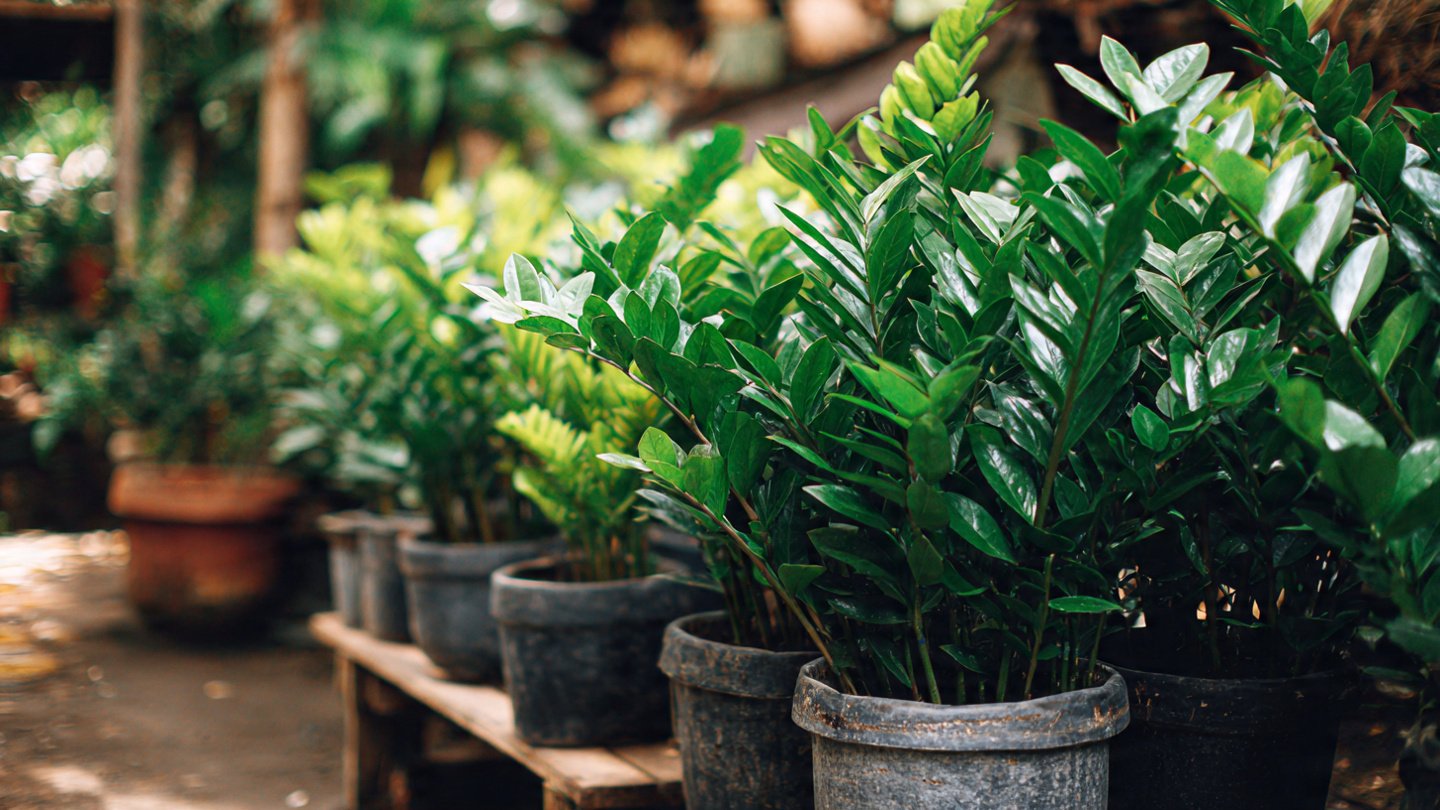
The ZZ plant (Zamioculcas zamiifolia) has soared in popularity among both avid gardeners and casual plant enthusiasts due to its hardiness and unique aesthetic appeal. Known for its glossy leaves and ability to thrive in low-light conditions, the ZZ plant is not only a resilient indoor favorite but can also be successfully cultivated outdoors in various climates. This guide aims to provide comprehensive insights into successfully cultivating ZZ plants for outdoor mass plantations.
Understanding the ZZ Plant
Botanical Background
The ZZ plant belongs to the Araceae family and is native to East Africa. Its unique structure features thick, waxy leaves that allow it to store water efficiently. This ability makes it exceptionally drought-tolerant, thereby reducing the frequency of watering required.
Characteristics
- Leaf Structure: The leaves are typically dark green, glossy, and grow in long, arching stems.
- Growth Habit: ZZ plants can grow anywhere from 2 to 3 feet tall and make an excellent choice for creating lush ground cover.
- Plant Hardiness: The plant is hardy in USDA zones 9 to 11, making it suitable for various tropical and subtropical climates.
Preparing for Cultivation
Selecting the Right Location
- Sunlight Requirements: ZZ plants thrive in indirect sunlight. Choose a location that receives partial shade, especially in hotter climates.
- Soil Type: Well-draining soil is crucial. A sandy loam or a mix containing perlite will allow excess water to escape, essential for the health of the roots.
- Wind Protection: Select a spot that is sheltered from strong winds, which can damage the plant’s delicate foliage.
Soil Preparation
Prepare the soil by removing any debris and weeds. Mix in organic compost to enhance nutrient content, improving soil quality and drainage.
Sourcing Healthy ZZ Plant Stock
- Nurseries: Acquire healthy plants from reputable nurseries that specialize in ZZ plants or tropical plants.
- Propagation: If you have existing ZZ plants, you can propagate them through leaf cuttings or division of rhizomes.
Planting Process
Timing
The best time to plant ZZ plants outdoors is during the spring or early summer when the risk of frost has passed.
Planting Steps
- Digging Holes: Space the holes approximately 2 to 3 feet apart to allow for growth.
- Adding Amendments: Before placing the plant in the hole, mix in some perlite or sand to improve drainage.
- Watering: Water the plants thoroughly after planting to help them settle. However, avoid overwatering, as ZZ plants are prone to root rot.
Maintenance and Care
Watering
ZZ plants are drought-tolerant and prefer to dry out between waterings.
- Frequency: Water every 2 to 3 weeks during the growing season. Reduce watering in the winter months.
- Signs of Overwatering: Yellowing leaves are a primary indicator of overwatering.
Fertilization
- Type: Use a balanced, water-soluble fertilizer diluted to half-strength.
- Frequency: Fertilize every month during the growing season (spring and summer) and reduce frequency in fall and winter.
Pruning
- When to Prune: Prune any yellow or damaged leaves to encourage new growth.
- How to Prune: Use clean, sharp scissors to avoid damaging the plant.
Pest Control
Although ZZ plants are relatively pest-resistant, they can occasionally be affected by scale or spider mites.
- Prevention: Maintain good air circulation and avoid overwatering.
- Treatment: Use insecticidal soap or neem oil if pests are observed.
Managing Diverse Climate Conditions
Hot Climates
In hotter regions, ZZ plants can flourish but require extra attention.
- Shade: Provide dappled shade to prevent leaf burn.
- Watering: Increase watering frequency during prolonged heat spells, but ensure that the soil drains well.
Cold Climates
While ZZ plants prefer warm conditions, they can survive in cooler regions with specific care.
- Microclimates: Look for microclimates that provide some protection from frost, such as near walls or under trees.
- Container Cultivation: Consider planting in containers that can be moved indoors during cold snaps.
Humidity Levels
ZZ plants prefer moderate humidity but can adjust to a range of conditions.
- Dry Conditions: In low-humidity areas, occasional misting or placing a pebble tray with water near the plants can help.
- High Humidity: Ensure good airflow to prevent mold and fungus.
Troubleshooting Common Issues
Yellowing Leaves
The most common cause of yellow leaves is overwatering. Check soil moisture and adjust watering practices accordingly.
Stunted Growth
If your ZZ plants are not thriving, consider the following:
- Nutrients: Ensure adequate fertilization during the growing season.
- Lighting: Lack of sufficient light can hinder growth, so reassess the planting location.
Root Rot
This condition occurs when the plant is overwatered, leading to fungal infections.
- Prevention: Use well-draining soil and water only when necessary.
- Cure: Remove the plant from the soil, trim any rotten roots, and repot in fresh soil.
Harvesting and Propagation
Harvesting
ZZ plants do not produce flowers when grown outdoors; instead, the focus is on promoting leaf growth.
Propagation Methods
- Leaf Cuttings: Take a healthy leaf, allow it to callous for a day, and then plant it in a well-draining medium.
- Division: During a routine inspection, carefully divide rhizomes and replant them to encourage new growth.
Conclusion
ZZ plants offer a practical and attractive option for outdoor mass plantations in a diverse range of climates. By understanding their requirements and following best practices for cultivation, gardeners can create stunning displays that thrive year-round. This hardy plant not only enhances garden aesthetics but also promotes resilience and biodiversity.
FAQs
1. Can ZZ plants survive frost?
ZZ plants are not frost-tolerant. In colder climates, consider bringing potted ZZ plants indoors during winter or planting them in locations that receive some shelter.
2. How often should I water ZZ plants outside?
Water every 2 to 3 weeks during the growing season, allowing the soil to dry out between waterings. Reduce frequency in the winter.
3. Can ZZ plants grow in full sun?
ZZ plants prefer indirect sunlight. Full sun can cause leaf burn, so it’s best to provide filtered or partial shade.
4. What pests affect ZZ plants?
ZZ plants are generally pest-resistant but can be affected by scale or spider mites. Monitor for pests and treat with insecticidal soap if necessary.
5. How do I propagate ZZ plants?
You can propagate ZZ plants through leaf cuttings or rhizome division. Ensure cuttings callous before planting in a well-draining medium.
6. Why are my ZZ plant leaves turning yellow?
Yellowing leaves typically indicate overwatering. Check soil moisture and adjust your watering schedule accordingly.
This guide provides a solid foundation for cultivating ZZ plants outdoors, ensuring that whether in a tropical or temperate zone, gardeners can enjoy the beauty and resilience of this remarkable plant. Happy planting!