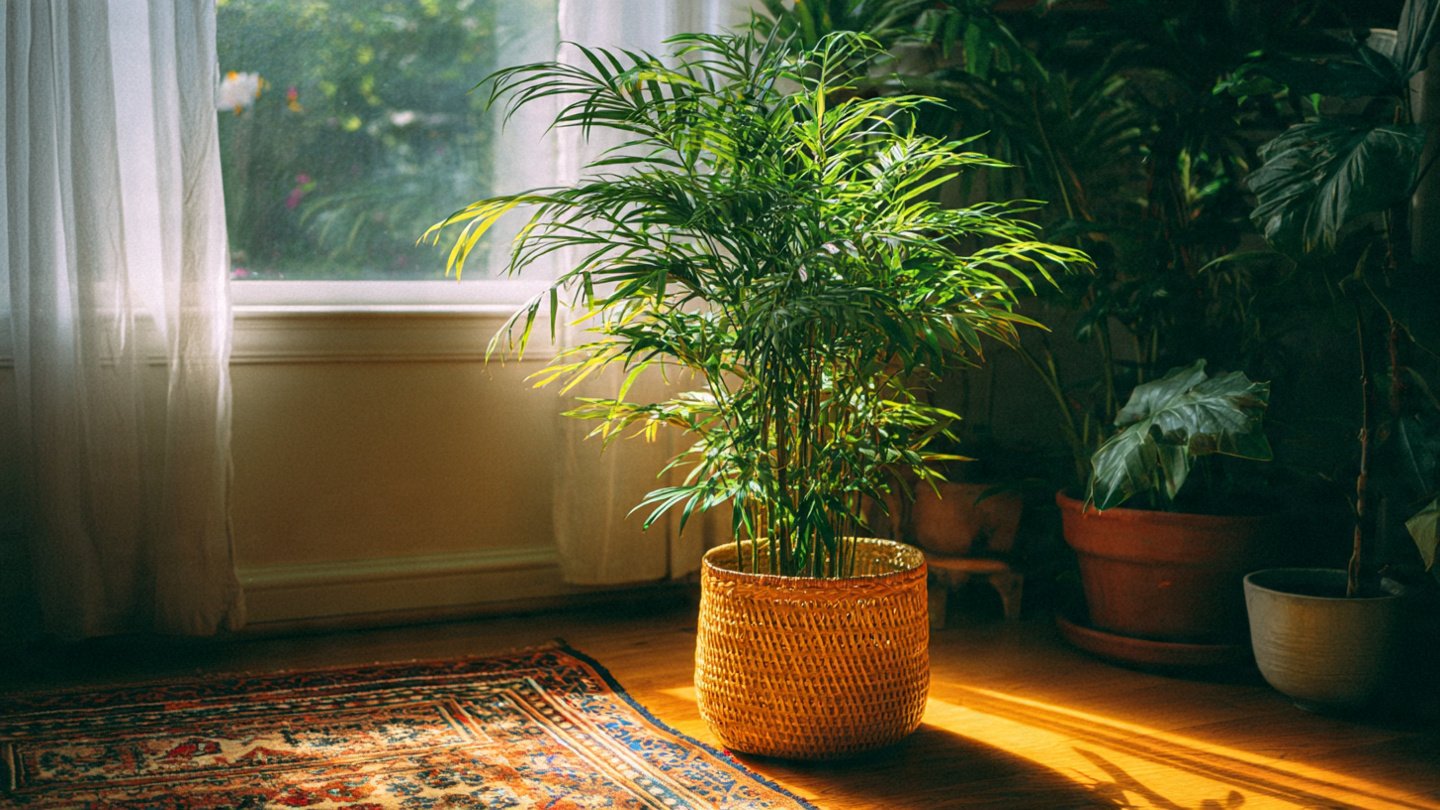

Bamboo palms (Chamaedorea seifrizii) are popular houseplants known for their lush appearance and easy maintenance. Not only do they enhance the aesthetic of indoor spaces, but they also purify the air, making them an ideal choice for homes and offices. In this article, we’ll explore simple steps to grow bamboo palms that are healthy and lush year-round, covering essential care techniques, environmental conditions, and common mistakes to avoid.
Understanding Bamboo Palms
Bamboo palms are native to the tropical regions of Central and South America, thriving in warm, humid conditions. They are characterized by slender, bamboo-like stems and feathery, arching fronds, which can grow up to six feet tall. These plants not only add greenery but also help to filter indoor toxins, making them a favorite among indoor gardeners.
Benefits of Bamboo Palm
- Air Purification: Bamboo palms are renowned for their ability to remove toxins such as formaldehyde and benzene from the air.
- Humidity Regulation: They help increase humidity levels, which can benefit both plants and humans in dry environments.
- Aesthetic Appeal: With their elegant appearance, bamboo palms can enhance the visual appeal of any space.
Steps to Grow Bamboo Palms Healthily and Lush
1. Choosing the Right Location
The first step in growing a healthy bamboo palm is selecting the right location. Bamboo palms prefer bright, indirect sunlight. Avoid direct sunlight, which can scorch the leaves. A spot near a window that receives filtered light is ideal.
2. Potting and Soil Selection
When potting your bamboo palm, choose a pot that has drainage holes to prevent root rot. A mix of peat-based potting soil with perlite and sand is ideal, as it provides good drainage and aeration. This combination allows the roots to breathe while retaining some moisture.
3. Watering
Bamboo palms prefer consistently moist soil but do not tolerate soggy conditions. Water the plant when the top inch of soil feels dry. Reduce watering during the winter months when growth slows down but ensure the soil does not completely dry out.
4. Humidity and Temperature
Bamboo palms thrive in high humidity environments. To mimic these conditions, consider placing a humidifier near the plant or misting the leaves regularly. Aim for a humidity level of at least 50%.
As for temperature, bamboo palms prefer warm conditions between 65°F to 80°F (18°C to 27°C). Avoid placing them near drafts or heating vents, as sudden temperature changes can stress the plant.
5. Fertilization
During the growing season (spring and summer), fertilize your bamboo palm every four to six weeks with a balanced, water-soluble fertilizer diluted to half strength. This provides essential nutrients that promote lush growth. Reduce fertilization during the fall and winter months when the plant is dormant.
6. Pruning
Regular pruning helps to maintain the bamboo palm’s shape and remove any dead or yellowing fronds. Use clean, sharp scissors to trim off any undesirable leaves. This not only enhances the appearance of the plant but also encourages new growth.
7. Pest Management
Bamboo palms can attract pests such as spider mites, mealybugs, and scale. Regularly inspect the leaves for signs of infestation. If you notice pests, treat them promptly using insecticidal soap or neem oil. Ensure that the plant is kept clean by occasionally wiping down the leaves with a damp cloth to remove dust that can harbor pests.
8. Repotting
As your bamboo palm grows, it may outgrow its pot. Repot your plant every couple of years or when you notice the roots appear crowded. Choose a pot that is one size larger and refresh the soil, which provides the plant with additional nutrients and space to grow.
9. Regular Inspection
Regularly check your bamboo palm for signs of stress or disease. Look for yellowing leaves, stunted growth, or wilting. Identifying issues early allows you to take action before they become major problems.
10. Seasonal Care
Adjust your care routine based on the seasons. In winter, reduce watering and fertilization, and ensure the plant is not exposed to drafts or extreme weather. In spring and summer, you can increase water and fertilizer as the plant enters its active growth phase.
Common Issues and Troubleshooting
Leaf Yellowing
If you notice yellowing leaves, it could be due to overwatering, underwatering, or a lack of nutrients. Check the soil moisture and assess your watering schedule. Adjust as necessary, and consider using a diluted fertilizer.
Browning Tips
Brown tips on the leaves can indicate low humidity levels. Increase humidity by misting the plant or using a pebble tray filled with water. Ensure the plant is not placed near heating vents, which can dry out the air.
Wilting Leaves
Wilting can signal either underwatering or overwatering. Assess the soil moisture and adjust your watering schedule accordingly. Make sure your pot has proper drainage.
Pest Infestation
If you notice pests, act quickly. Isolate the plant and treat it with insecticidal soap or neem oil. Regular cleaning and inspection can help prevent infestations.
Why Choose Bamboo Palms?
Bamboo palms are not just beautiful; they also provide numerous benefits to your environment. They thrive in a variety of indoor settings, are relatively low-maintenance, and adapt well to different light conditions. Their ability to purify indoor air makes them a top choice for health-conscious homeowners.
Conclusion
Growing a bamboo palm can enhance both the beauty and health of your indoor environment. By following the simple steps outlined above, you can ensure that your bamboo palm remains healthy and lush throughout the year. With appropriate care, these stunning plants will thrive, adding warmth and vibrancy to your living spaces.
FAQs
1. How often should I water my bamboo palm?
Water your bamboo palm when the top inch of soil feels dry. This typically translates to watering once a week, but it may vary based on environmental conditions.
2. Can bamboo palms survive in low light?
While bamboo palms prefer bright, indirect light, they can tolerate lower light conditions. However, growth may slow down, and the plant may become leggy over time.
3. What should I do if my bamboo palm has brown spots on the leaves?
Brown spots may indicate overwatering, underwatering, or fungal issues. Evaluate your watering practices and inspect the plant for signs of disease or pests.
4. Is it safe for pets?
Yes, bamboo palms are non-toxic to pets, making them a safe choice for homes with furry friends.
5. How can I increase humidity for my bamboo palm?
You can increase humidity by misting the leaves regularly, using a humidifier, or placing a tray filled with water and pebbles beneath the pot.
By following these guidelines, your bamboo palm will thrive, bringing natural beauty and air-purifying benefits to your home. Happy gardening!