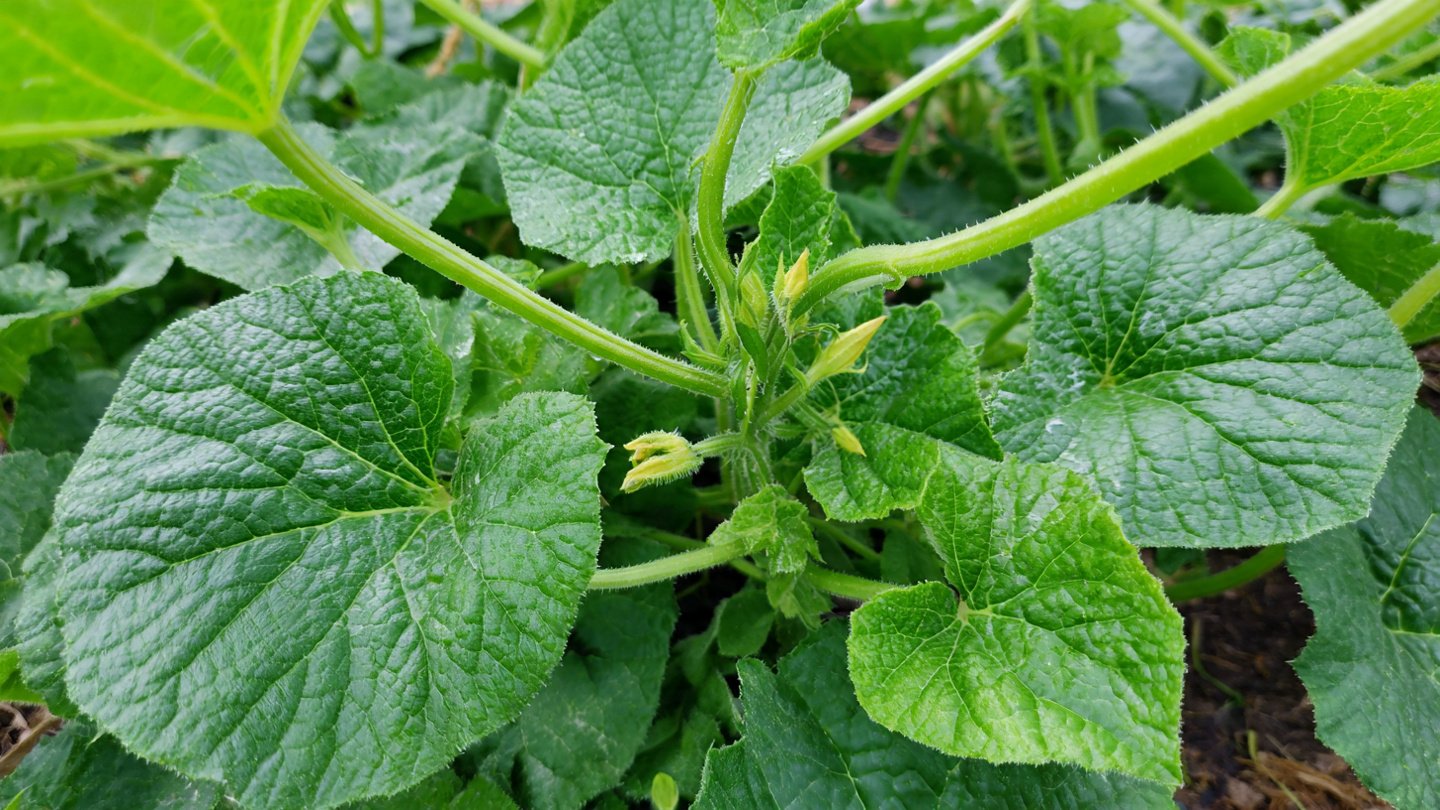

Cucumbers are a popular garden vegetable known for their crisp texture and refreshing taste. However, one widespread problem that gardeners face is the unwelcome bitter flavor in their cucumbers. This bitterness often discourages home growers from enjoying their harvest. Fortunately, there are simple and effective methods to cultivate cucumbers that are not only bountiful but also free from that unpleasant taste. In this article, we will explore the causes of bitterness in cucumbers, the factors influencing their growth, and a straightforward method to ensure a sweet and delicious yield.
Understanding the Bitterness in Cucumbers
Before diving into the solutions, it’s essential to understand the reasoning behind the bitterness in cucumbers. Here are some critical points:
What Causes Bitterness?
-
Genetics: Some cucumber varieties are more prone to bitterness than others. The bitterness is primarily attributed to compounds called cucurbitacins, which are natural phytonutrients produced by the plant as a defensive mechanism against pests and diseases.
-
Growing Conditions: Environmental factors play a significant role in the development of bitterness. Stress from inconsistent watering, extreme temperatures, and soil nutrient deficiencies can lead to the increased production of cucurbitacins.
-
Harvesting Time: Cucumbers that are allowed to over-ripen on the vine tend to develop a bitter flavor. Younger, more tender cucumbers are generally less bitter.
-
Environmental Stress: Plants experience stress due to rapid changes in weather, like excessive heat or drought. This stress can trigger the production of bitter compounds.
-
Watering Practices: Inconsistent watering practices can stress the plant and lead to bitterness. Keeping the soil evenly moist is crucial for preventing this issue.
Selecting the Right Varieties
Choosing the right cucumber variety can significantly reduce the chances of bitterness. Look for varieties known for their sweetness and low bitterness, such as:
-
English Cucumbers: These are long, slender cucumbers with thin skin and minimal bitterness.
-
Persian Cucumbers: Similar to English cucumbers, they are smaller and have a sweet, refreshing taste.
-
Burpless Cucumbers: As the name suggests, these cucumbers are bred specifically for their sweetness and lower levels of bitterness.
Always do your research on the specific variety you want to grow. Opting for well-developed and recommended species can lead to more enjoyable yields.
Preparing the Soil
Healthy plants start with healthy soil. Cucumbers thrive in nutrient-rich, well-drained soil. Here’s how to prepare your soil effectively:
-
Soil Testing: Conduct a soil test to check for nutrient levels, pH balance, and organic matter. Ideally, cucumber plants prefer a pH range of 6.0 to 6.8.
-
Amendments: Based on soil test results, incorporate organic matter such as compost, aged manure, or well-rotted leaves. These not only add nutrients but also improve soil structure and water retention.
-
Drainage: Ensure the soil is well-draining to prevent waterlogging, which can harm your plants. Raised beds can be beneficial for better drainage.
Proper Planting Techniques
To cultivate cucumbers that are free from bitterness, follow these planting techniques:
-
Spacing: Plant cucumbers in well-spaced rows to ensure adequate airflow, reducing moisture retention that can lead to disease and stress.
-
Depth: Plant seeds about 1 inch deep and 36 inches apart. If using seedlings, plant them slightly deeper than they were in their nursery pots to encourage strong root development.
-
Mulching: Apply a layer of organic mulch, such as straw or shredded leaves, around the plants. This helps retain moisture, regulate soil temperature, and suppress weeds, which can compete for nutrients.
-
Sunlight: Ensure that your cucumbers receive at least 6-8 hours of direct sunlight. Adequate sunlight promotes healthier growth and reduces stress on the plant.
Watering Strategies
Consistent watering is key to preventing bitterness in cucumbers. Here are some tips for effective watering:
-
Frequency: Water cucumbers deeply at least once a week, or more frequently in hot conditions, ensuring the soil remains consistently moist but not soggy.
-
Morning Watering: Water your cucumbers in the early morning hours. This allows the foliage to dry throughout the day, reducing the risk of fungal diseases.
-
Drip Irrigation: Consider installing a drip irrigation system for efficient and consistent moisture delivery directly to the roots, minimizing stress.
Fertilization Tips
Providing the right nutrients is crucial for producing sweet cucumbers. Here’s a simple guide to fertilization:
-
Balanced Fertilizer: Use a balanced fertilizer with equal parts nitrogen, phosphorus, and potassium (N-P-K) at the beginning of the growing season. A ratio like 10-10-10 is often ideal.
-
Side Dressing: Apply a side dressing of nitrogen-rich fertilizer, such as fish emulsion or compost, when the plants start to vine. This boosts growth and enhances sweetness.
-
Avoid Over-Fertilization: Too much nitrogen can lead to lush foliage at the expense of fruit production and increased bitterness. Follow recommended application rates.
Pest and Disease Management
Preventing pests and diseases is essential for maintaining healthy cucumber plants. Here are some preventive measures:
-
Regular Monitoring: Check your plants frequently for signs of pests, such as cucumber beetles or aphids, which can stress your plants and contribute to bitterness.
-
Companion Planting: Grow companion plants like marigolds or nasturtiums, which deter pests and support cucumber growth.
-
Natural Remedies: Use organic pest control methods, such as neem oil or insecticidal soap, to manage pest populations without harming beneficial insects.
Harvesting at the Right Time
Timing your harvest is crucial in achieving delicious, non-bitter cucumbers. Here’s how to determine when they’re ready:
-
Size and Color: Harvest cucumbers when they reach about 6-8 inches in length and are a vibrant green color. Smaller cucumbers tend to be less bitter and tastier.
-
Regular Picking: Check your plants daily during peak harvesting times. Regular picking encourages further fruit production and prevents over-ripening.
-
Don’t Leave on the Vine: Avoid leaving cucumbers on the vine for extended periods, as this leads to bitterness. Once they start to swell or change color, it’s time to pick.
Conclusion
Growing cucumbers free from bitterness requires attention to detail in every stage: from soil preparation and variety selection to watering, fertilization, and harvesting. By implementing these straightforward strategies, you can cultivate cucumbers that are sweet, crunchy, and a delight to eat. This not only enhances your garden’s productivity but also elevates your culinary experiences, making cucumbers a star ingredient in salads, sandwiches, and more.
FAQs
1. Why are my cucumbers bitter?
Cucumbers can become bitter due to genetic factors, environmental stress (like inconsistent watering or extreme temperatures), and over-ripening on the vine.
2. What cucumber varieties are least bitter?
English cucumbers, Persian cucumbers, and Burpless cucumbers are known for their sweetness and low bitterness levels.
3. How often should I water my cucumbers?
Water cucumbers deeply at least once a week, or more frequently in hot, dry conditions, keeping the soil consistently moist but not soggy.
4. Can I reduce bitterness by peeling cucumbers?
Peeling cucumbers may help, as most of the bitterness comes from the skin. However, it’s better to prevent bitterness by addressing growing conditions.
5. Should I fertilize my cucumbers?
Yes! Use a balanced fertilizer at the beginning of the growing season and consider adding a nitrogen-rich side dressing when the plants start to vine.
6. When should I harvest my cucumbers to avoid bitterness?
Harvest cucumbers when they are about 6-8 inches long and a vibrant green. Regular picking prevents them from over-ripening and developing bitterness.