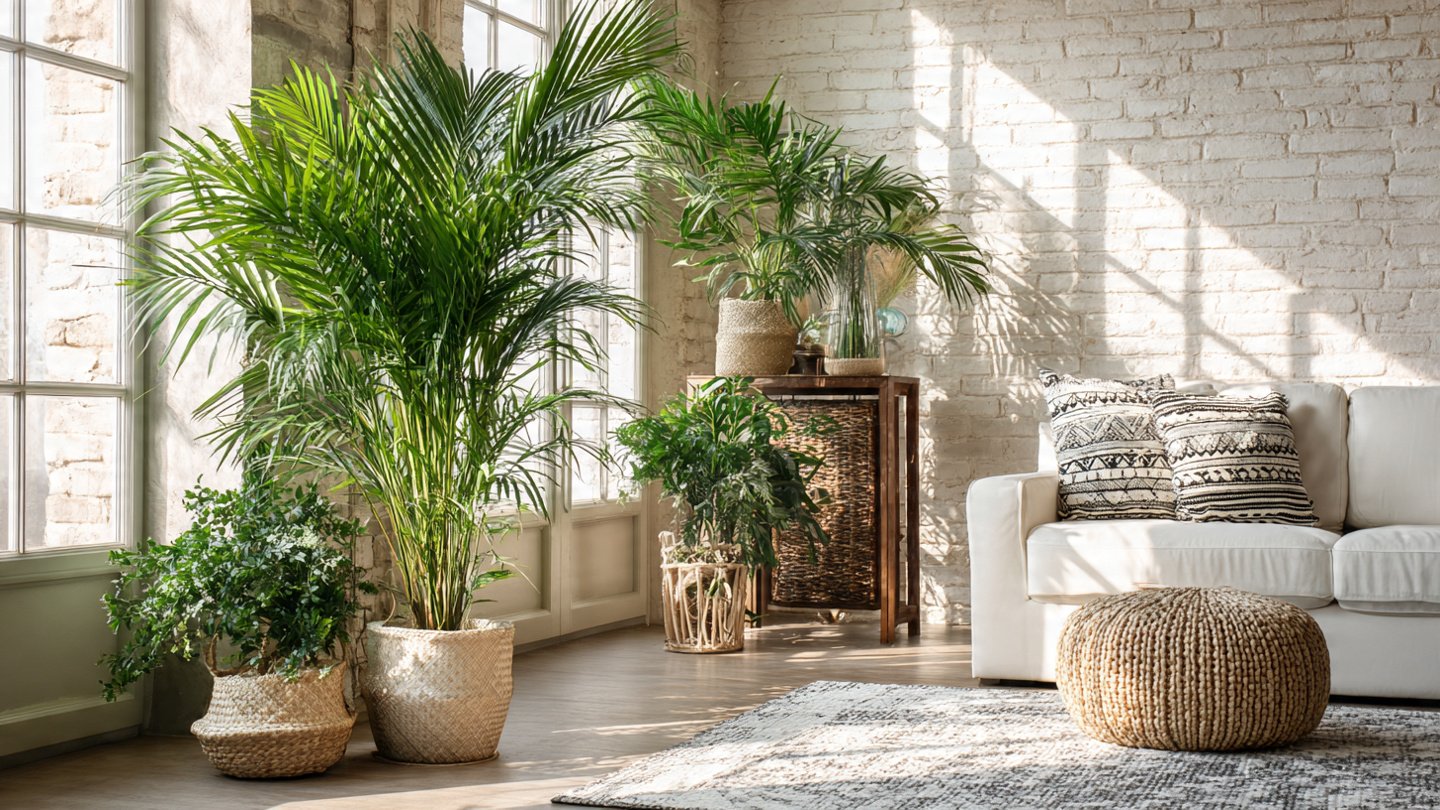

Creating a lush indoor oasis isn’t solely reserved for spacious gardens and outdoor landscapes. With the right choices and care, your living room can become a verdant retreat, brimming with life. Palm plants are particularly popular for indoor spaces, not only for their striking appearance but also for their air-purifying properties and ability to thrive in indoor conditions. This article delves into the best tips for growing palm plants in your living room, ensuring you cultivate a beautiful and serene environment.
1. Choosing the Right Palm Plants
Popular Indoor Palm Varieties:
Several palm varieties adapt well to indoor growth. Here are a few that can flourish in your living room:
-
Areca Palm (Dypsis lutescens): Known for its feathery fronds, the Areca Palm can grow tall, reaching up to 6-7 feet, making it a stunning focal point.
-
Bamboo Palm (Chamaedorea seifrizii): This compact palm is ideal for smaller spaces and is excellent for filtering out indoor air pollutants.
-
Parlor Palm (Chamaedorea elegans): A low-maintenance, slow-growing palm, it’s perfect for low-light conditions and adds a tropical feel.
-
Kentia Palm (Howea forsteriana): Elegant with long, sweeping fronds, it thrives in various light conditions and can grow to be quite tall.
-
Sabal Palm (Sabal palmetto): This robust variety is hardy and adapts well to different indoor environments.
2. Understanding Light Needs
Light Conditions:
Palm plants vary in their light requirements. While some prefer bright, indirect light, others can thrive in low light. Generally, consider the following:
-
Bright Indirect Light: Place palms like the Areca and Kentia in bright spots away from direct sunlight to prevent leaf burn.
-
Low Light: Parlor and Bamboo Palms can survive in shadier spots, although they’ll grow more slowly in lower light conditions.
Tip: Rotating your plants every few weeks helps them grow evenly by getting light from all sides, preventing them from leaning towards a light source.
3. Watering Techniques
Watering Guidelines:
Proper watering is critical for the health of palm plants. Here are some tips:
-
Soil Moisture Check: Always check the top inch of soil; if it’s dry, it’s time to water. Overwatering can lead to root rot.
-
Watering Frequency: During active growth (spring and summer), palms typically require more frequent watering, while in fall and winter, their needs decrease.
-
Drainage: Ensure pots have drainage holes to avoid water accumulation at the bottom, which can harm the roots.
4. Soil and Pot Selection
Choosing the Right Soil:
Palms do best in well-draining potting mixes. Look for:
-
Indoor Plant Mix: A standard indoor potting mix can often suffice. However, consider one that contains perlite, which improves drainage.
-
Custom Mix: For light-loving palms, mix regular potting soil with sand or cactus mix to enhance drainage.
Pot Selection:
Choose pots that suit the size and growth habit of your palm. Larger, more established palms may require more substantial pots, which can hold more soil and moisture.
5. Temperature and Humidity
Creating an Ideal Environment:
Palms prefer warm, humid environments. Here’s how to cater to their needs:
-
Temperature Range: Keep indoor temperatures between 65°F and 85°F (18°C – 29°C). Avoid placing palms near drafty windows or heat vents.
-
Humidity Levels: Most palms thrive in humidity levels above 50%. Use a humidifier, mist the leaves, or group plants together to raise moisture levels.
-
Temperature Sensitivity: Be mindful of sudden temperature changes, which can stress the plants.
6. Fertilization Techniques
Feeding Your Palms:
Fertilizing palm plants ensures they receive essential nutrients. Here’s how to do it:
-
Type of Fertilizers: A balanced liquid fertilizer is typically best during the growing season. Look for products labeled specifically for palm plants.
-
Frequency: Fertilize every 4-6 weeks from spring through summer. Reduce feeding during fall and winter when growth slows.
-
Dilution: Always dilute the fertilizer to half the recommended strength to prevent nutrient burn.
7. Pruning and Maintenance
Keeping Your Palms Healthy:
Regular maintenance keeps palm plants looking their best:
-
Removing Dead or Yellow Leaves: Cut these leaves at the base to maintain appearance and prevent pests. This also encourages new growth.
-
Cleaning Leaves: Dust can accumulate on palm leaves, so clean them periodically with a damp cloth to allow the plant to photosynthesize effectively.
-
Repotting: Consider repotting your palm every few years or when it becomes root-bound. Choose a pot slightly larger than its current one to provide room for growth.
8. Pest Management
Preventive Care:
Pests can impact the health of your palms. Here are ways to manage them:
-
Common Pests: Watch for spider mites, mealybugs, and scale. Regularly inspect your plants for signs of infestations.
-
Treatment Options: Use insecticidal soap or neem oil to treat pests. Ensuring good air circulation can also help deter many common pests.
-
Quarantine New Plants: Always quarantine new plants for a few weeks before introducing them to your collection to avoid unwanted pests.
9. Creating a Tropical Aesthetic
Designing Your Indoor Oasis:
Integrating palm plants into your living room isn’t just about plant care; it’s also about aesthetics. Here’s how to create a cohesive tropical environment:
-
Grouping: Cluster palms of different heights together to create a layered effect. Pair larger palms with smaller ones for visual interest.
-
Decor Elements: Use decorative pots in natural materials like terracotta or woven baskets to enhance the earthy feel.
-
Accessorizing: Incorporate other tropical elements like vibrant cushions and wall art inspired by nature to complement the greens.
10. Seasonal Care Considerations
Adapting Care Throughout the Year:
Understanding seasonal shifts is crucial for effective palm care:
-
Spring: Increase watering and fertilize to promote growth as the days lengthen and warmth returns.
-
Summer: Monitor for pests and ensure adequate hydration, especially during hot spells.
-
Fall: Gradually reduce watering as palm growth slows, and prepare for any seasonal changes in light.
-
Winter: Maintain stable indoor temperatures and humidity; ensure plants receive sufficient light despite shorter days.
FAQs
1. How often should I water my indoor palm?
Water your palm when the top inch of soil feels dry. This usually means watering once a week or less during dormant months.
2. Can palm plants survive in low light?
Yes, certain species like the Parlor Palm and Bamboo Palm can thrive in lower light conditions, though growth may be slower.
3. What should I do if my palm leaves turn yellow?
Yellowing leaves can indicate overwatering or nutrient deficiency. Ensure proper watering practices and consider fertilizing.
4. How do I increase humidity for my palm plants?
Use a humidifier, mist the leaves regularly, or group plants together to create a local humid environment.
5. Can I keep palm plants outdoors in the summer?
Some palms may enjoy temporary outdoor exposure during warmer months, but ensure to bring them back inside before temperatures drop.
6. How do I prevent pests on my palms?
Inspect plants regularly and maintain good air circulation. Use insecticidal soap or neem oil if pests are detected.
7. When should I repot my palm plant?
Repot when your plant becomes root-bound, typically every 2-3 years, or if you notice stunted growth.
By following these tips, your living room can transform into a tropical paradise, filled with the lush beauty of palm plants. Remember that patience, observation, and adaptation to your specific indoor environment are key to successful cultivation. Enjoy the refreshing vibe that palm plants bring, and embrace the joy of growing your indoor oasis!