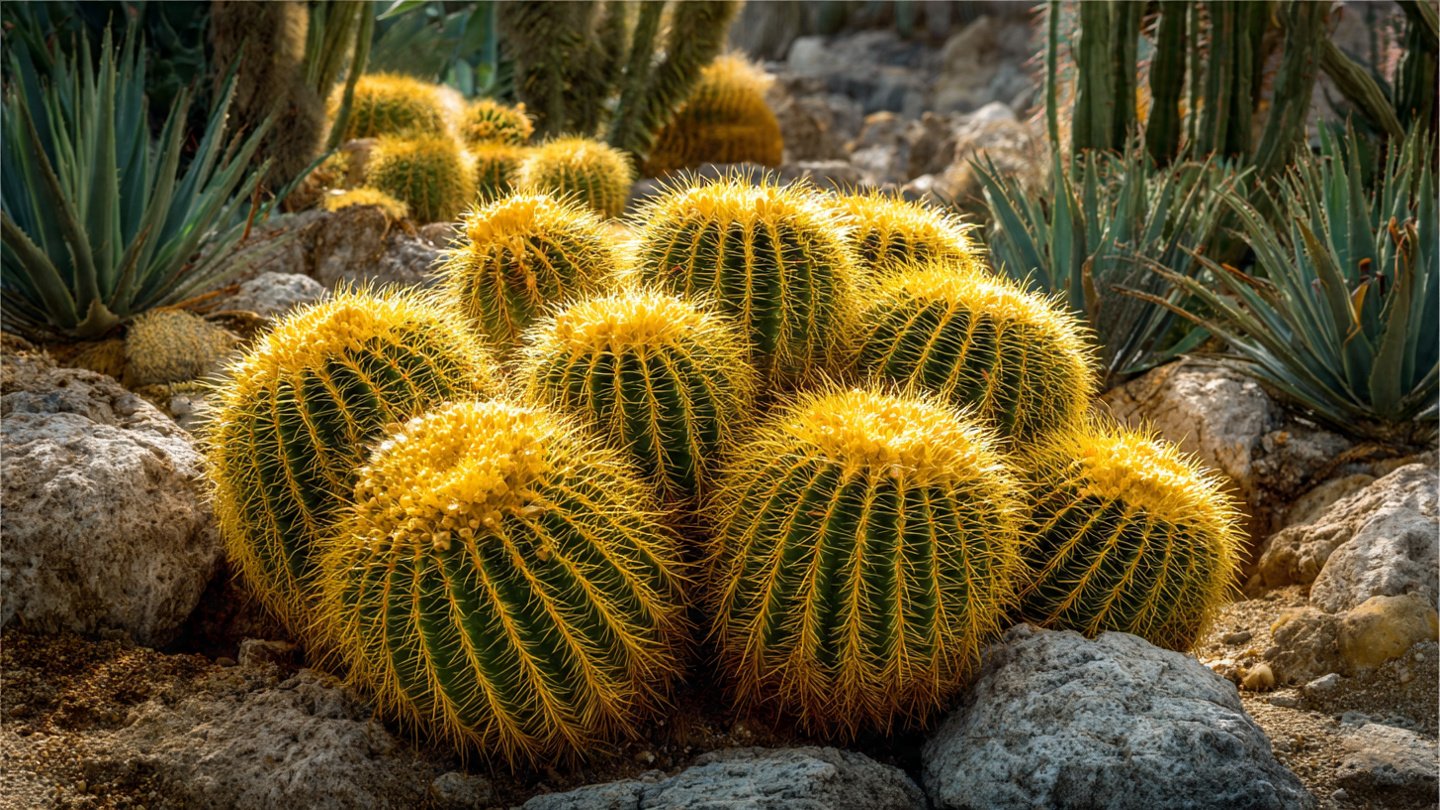

Growing barrel cactus (Genus: Ferocactus) can be a rewarding endeavor for gardeners and plant enthusiasts, especially in full sun environments. These resilient succulents, known for their striking appearance and vibrant blooms, thrive in the harsh light conditions typical of arid climates. This guide will walk you through everything you need to know to successfully cultivate barrel cactus, from selecting the right species to caring for your plants.
Understanding Barrel Cactus: An Overview
Barrel cacti are native to North America, primarily found in desert regions such as the southwestern United States and northern Mexico. Their iconic cylindrical shapes and spiky exteriors make them a popular choice for xeriscaping.
Varieties of Barrel Cactus
Several species fall under the barrel cactus umbrella, the most popular being:
- Ferocactus wislizeni (Arizona barrel cactus)
- Ferocactus pottsii (Potts’ barrel cactus)
- Ferocactus latispinus (Hedgehog barrel cactus)
These varieties exhibit distinct characteristics, such as size, color, and spine formation. When selecting the right species, consider the climate of your growing area and the specific conditions of your garden.
Ideal Growing Conditions
1. Climate
Barrel cacti flourish in hot, dry environments. They prefer USDA hardiness zones 9-11, where temperatures can reach well above 100°F (38°C) during summer. They are highly drought-tolerant but will not survive extreme cold, so ensure temperatures remain above freezing.
2. Soil
An essential element of successful barrel cactus cultivation is using the right soil mix. Here are the key attributes of the ideal soil:
- Well-Draining: Opt for a cactus mix or create your own by combining regular potting soil with coarse sand or perlite.
- Low Nutrient Content: Barrel cacti do not require nutrient-rich soil; excessive nutrients can lead to rot.
3. Sunlight
As their name suggests, barrel cacti thrive in full sun environments. Aim for at least 6-8 hours of direct sunlight each day. In extremely hot climates, some afternoon shade can help prevent scorching.
Planting Barrel Cactus
1. Choosing the Right Location
Select a planting site that receives ample sunlight, has good drainage, and is protected from strong winds. Avoid low-lying areas where water may collect after rainfall.
2. Preparing the Soil
- Amend the Soil: Before planting, amend the soil with perlite or coarse sand to improve drainage.
- Dig the Hole: Create a hole that is about twice the size of the cactus root ball, allowing space for healthy root development.
3. Planting Procedure
- Start with the Cactus: Gently remove the cactus from its pot. Use gloves to protect your hands from spines.
- Position the Cactus: Place the cactus upright in the center of the hole. Backfill with soil, leaving the top of the root ball slightly exposed.
- Watering: Water lightly after planting to help settle the soil.
Caring for Barrel Cactus
Once planted, providing appropriate care will ensure your cactus thrives in its environment.
1. Watering Practices
Barrel cacti are drought-tolerant but require some watering during their growing season (spring and summer).
- Frequency: Water every 2-3 weeks, allowing the soil to dry out completely between sessions.
- Signs of Overwatering: Yellowing or mushy skin is a sign of overwatering, leading to root rot. Adjust your watering schedule accordingly.
2. Fertilization
Use a diluted, low-nitrogen fertilizer during the growing season. Applying a cactus fertilizer once or twice annually is sufficient.
3. Pruning
Pruning isn’t typically required for barrel cacti, but you may want to remove any dead or damaged spines or flowers to keep the plant looking healthy.
4. Pest and Disease Management
Although generally resistant to pests and diseases, keep an eye out for:
- Mealybugs: Treat with insecticidal soap or neem oil.
- Scale: Remove by hand or use horticultural oils.
- Fungal Infections: Ensure good airflow around the plant to prevent rot.
Propagation Techniques
Barrel cacti can be propagated through seeds or offsets.
1. Seed Propagation
- Harvesting Seeds: Collect seeds from mature, dried fruit during the fall.
- Sowing: Plant seeds in a cactus mix and keep moist but not soggy. Provide warmth and light to encourage germination.
2. Offsets
Many barrel cacti produce offsets or “pups” around the base. Wait until these are a quarter of the size of the mother plant, then carefully remove and pot them separately.
Landscape Design Ideas Featuring Barrel Cacti
Barrel cacti can be a striking centerpiece or accent in various landscape settings:
1. Xeriscape Gardens
Utilize barrel cacti in a xeriscape garden designed for low water usage. Incorporate gravel pathways, boulders, and other drought-tolerant plants for a cohesive look.
2. Rock Gardens
Create a stunning rock garden where barrel cacti stand out against textured stones. This adds dimensionality and enhances the arid landscape aesthetic.
3. Container Gardening
Consider planting barrel cacti in decorative pots or containers to showcase their beauty. Ensure pots have drainage holes and use cactus soil.
Common FAQs
1. How much sunlight do barrel cacti need?
Barrel cacti thrive in full sunshine, requiring at least 6-8 hours of direct sunlight each day for optimal growth.
2. How often should I water my barrel cactus?
Water your barrel cactus every 2-3 weeks during the growing season, allowing the soil to dry out completely between waterings.
3. Can barrel cacti survive freezing temperatures?
Barrel cacti are not frost-tolerant and should be protected from freezing temperatures. Ideally, they thrive in zones 9-11.
4. Do I need to fertilize barrel cacti?
While they don’t require much nutrition, a diluted cactus fertilizer once or twice during the growing season can promote healthy growth.
5. How do I propagate barrel cacti?
Barrel cacti can be propagated through seeds or offsets. Seeds should be sown in a cactus mix and kept moist, while offsets can be removed and repotted when they are large enough.
6. What pests affect barrel cacti?
Mealybugs and scale insects can affect barrel cacti. Inspect your plants regularly and use insecticidal soap or horticultural oils as needed.
7. What are the signs of overwatering my barrel cactus?
Common signs include yellowing or mushy skin, which indicate root rot. Adjust your watering routine if you notice these symptoms.
Conclusion
Successfully growing barrel cactus in full sun environments can provide you with a dynamic and appealing addition to your landscape. With proper care, attention to soil conditions, and an understanding of their needs, these remarkable plants can thrive, offering beauty and resilience to your garden. Whether you are planting for aesthetics, as a hobbyist, or part of a larger xeriscape design, barrel cacti are sure to impress. With this guide, you are now well-equipped to embark on your barrel cactus journey, ensuring they flourish under the sun’s embrace.