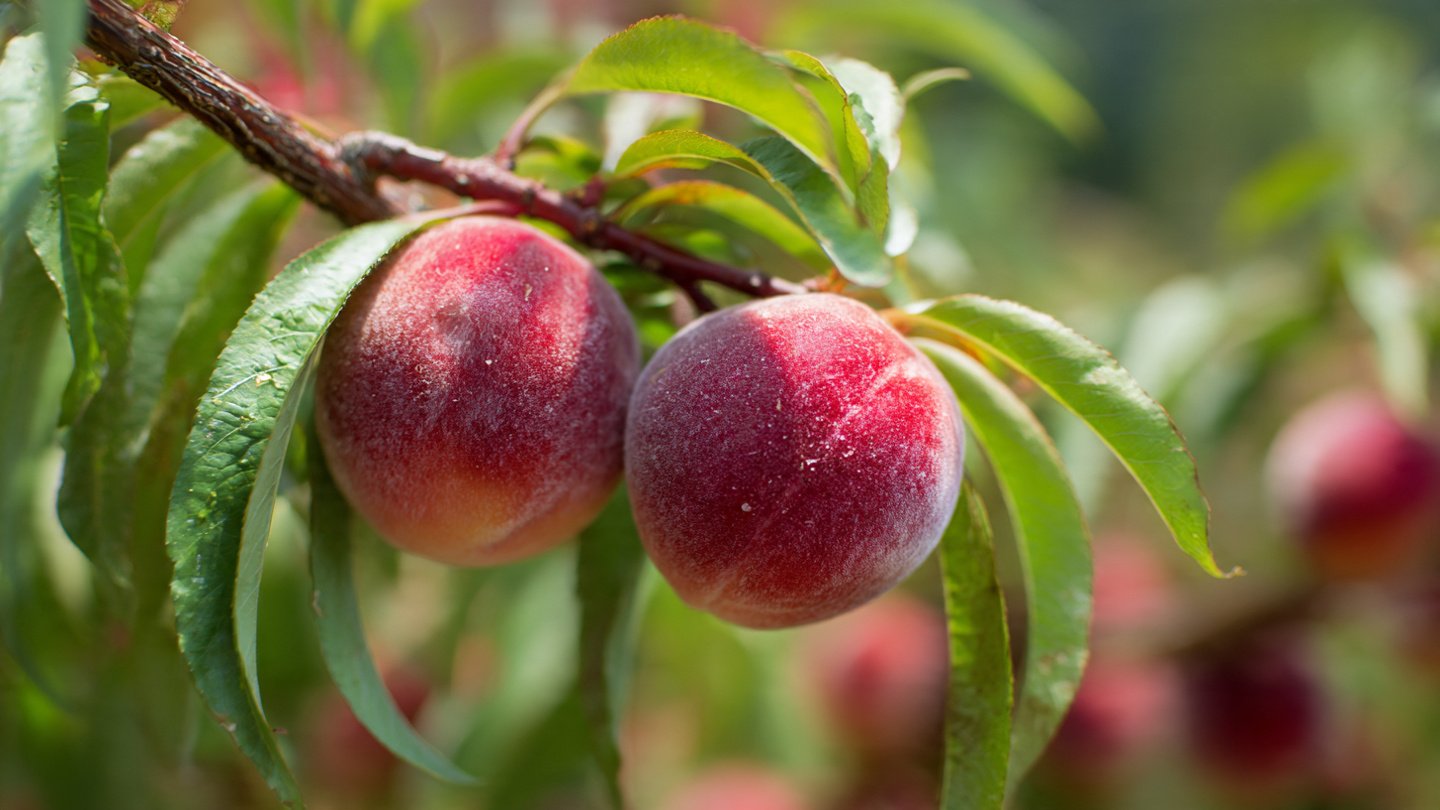

Growing hardy peaches in Canadian climates can be an incredibly rewarding endeavor. With recent advancements in horticultural science, it’s now possible to cultivate these delicious fruits in areas previously deemed too harsh for peach cultivation. This guide will delve into the optimal conditions, techniques, and care required for successfully growing hardy peaches in Canadian climates throughout the year.
Understanding Hardy Peaches
What Are Hardy Peaches?
Hardy peaches (Prunus persica subsp. persica) are varieties that can withstand colder temperatures compared to traditional peach trees. They are bred specifically for resilience and can thrive in USDA hardiness zones 3 to 7, making them suitable for many regions in Canada. These peaches tend to be smaller in size and can have a unique flavor that varies significantly from the flashy supermarket varieties.
Choosing the Right Variety
Selecting the right peach variety is crucial for success. Here are some recommendations:
- Reliance: A popular choice, known for its cold hardiness and sweet fruit.
- Contender: This cultivar is resistant to diseases and produces large, juicy peaches.
- Redhaven: While not as hardy, it performs well in some Canadian climates with protection.
- Frost: Extremely hardy, it’s perfect for colder regions.
- Prairie Twilight: Developed in Canada for its adaptability to cold climates.
Soil Requirements
Peach trees thrive in well-drained, sandy loam soil enriched with organic matter. Aim for a soil pH of 6.0 to 7.0. Here’s how to prepare your soil:
- Test Your Soil: Utilize a soil testing kit to determine pH and nutrient levels.
- Amend As Necessary: Add lime to increase pH or sulfur to decrease it.
- Incorporate Organic Matter: Blend compost or well-rotted manure into the soil.
Ideal Planting Conditions
Site Selection
Choose a sunny location with good air circulation to promote healthy growth. Avoid low-lying areas where cold air can settle. The chosen site should ideally receive at least 6-8 hours of direct sunlight each day.
Planting Time
The best time to plant hardy peach trees in Canada is early spring, once the frost has passed. Late fall planting can work in warmer regions but is not advisable in areas with severe winters.
Planting Steps
- Dig the Hole: The hole should be about twice the diameter of the root ball and just as deep.
- Soak the Roots: Prior to planting, soak the roots in water for a few hours to promote hydration.
- Position the Tree: Place the tree in the center of the hole, ensuring the graft union is above soil level.
- Backfill and Water: Fill the hole with soil, gently tamping down to eliminate air pockets. Water the tree generously after planting.
Year-Round Care and Maintenance
Watering
Establishing a watering schedule during the first few years is critical, especially in dry spells. A general rule of thumb is to provide deep watering once a week, allowing the soil to dry between watering.
Fertilization
Feed your peach tree with a balanced fertilizer in early spring as new growth begins. An NPK ratio of 10-10-10 or similar works well. Avoid over-fertilizing, as this can lead to excessive leaf growth at the expense of fruit.
Pruning
Proper pruning promotes air circulation, helps remove dead wood, and encourages fruit production. Follow these pruning tips:
- Late Winter Dormancy: Prune during the dormant season when the tree is not actively growing.
- Remove Crossing Branches: Cut away branches that rub against one another to reduce injury and disease.
- Shape the Tree: Aim for an open center to allow sunlight to penetrate.
Disease and Pest Management
Hardy peaches are susceptible to various pests and diseases:
- Peach Leaf Curl: Fungal infection seen as distorted leaves; control with fungicides in early spring.
- Brown Rot: Affects fruit; management involves maintaining cleanliness and proper air circulation.
- Pests: Monitor for aphids and spider mites. Use insecticidal soap or neem oil as needed.
Winter Protection
Canadian winters can be harsh, so protecting your peach trees is crucial:
- Mulch: Apply a thick layer of mulch around the base to insulate roots.
- Wrap the Trunk: Use burlap or tree wrap to prevent sunscald and rodent damage.
- Cover the Tree: In extreme cold, covering the tree with a frost blanket can provide additional protection.
Harvesting and Storing Peaches
Harvest Time
Most hardy peach varieties are usually ready for harvest in late summer to early fall. Look for the following signs:
- Color Change: Peaches should develop a rich color, and the background color will shift from green to yellow.
- Softness: A gentle squeeze should indicate ripeness, but be wary of too much softness, indicating overripeness.
Storing Peaches
Once harvested, peaches can typically be stored at room temperature for a few days. For longer storage, place them in the refrigerator. They can also be frozen or canned for preservation.
Conclusion
With the right varieties, careful planning, and diligent maintenance, growing hardy peaches in Canadian climates is not only feasible—it can also be extraordinarily fulfilling. As you gather your crop, remember to experiment with ripening methods and preservation techniques.
FAQs
1. Can hardy peach trees thrive in all parts of Canada?
While hardy peaches can tolerate cold climates, selecting the appropriate variety for your specific geographical zone is essential. Zones 3 to 7 are generally suitable.
2. What is the ideal soil type for peach trees?
Peach trees prefer well-drained sandy loam soil rich in organic matter with a pH between 6.0 and 7.0.
3. How often should I water my peach trees?
Water your trees deeply once a week during dry spells, ensuring the soil dries between watering sessions.
4. What pests and diseases should I watch for?
Common issues include peach leaf curl, brown rot, and pests such as aphids and spider mites.
5. When should I prune my peach trees?
Prune during the late winter dormant season to shape the tree, remove dead wood, and enhance air circulation.
6. How do I protect my peach trees in winter?
Apply mulch, wrap the trunk, and use frost blankets if necessary to insulate and protect your trees from the harsh winter elements.
Growing hardy peaches in Canada can be a rewarding journey that brings the flavors of summer into your home all year round. By following these guidelines and maintaining a vigilant approach, you will be well on your way to enjoying fresh peaches from your own garden!