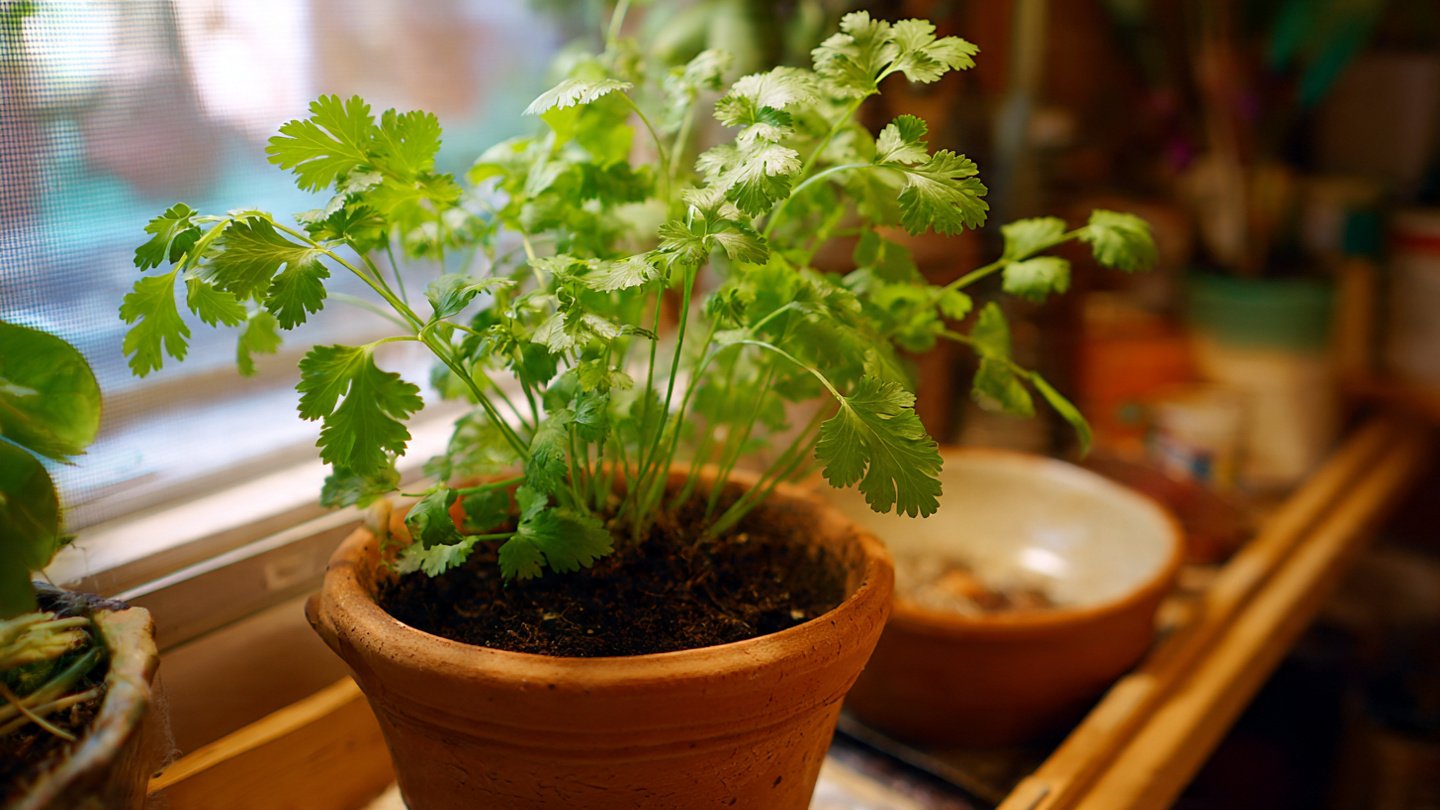

Coriander, also known as cilantro, is a versatile herb cherished for its fresh, aromatic flavor commonly used in various cuisines around the world. Cultivating coriander indoors is not only a rewarding experience but also a means of ensuring you have fresh herbs on hand whenever needed. This guide will take you through simple yet effective steps to grow coriander indoors effortlessly, while also covering essential care tips.
1. Understanding Coriander: Basics and Benefits
Coriander (Coriandrum sativum) is an annual herb native to regions spanning from Southern Europe and North Africa to Southwest Asia. Not only does it enhance the taste of dishes, but it also boasts several health benefits:
- Rich in Nutrients: Coriander is packed with vitamins A, C, and K, along with minerals such as potassium and magnesium.
- Antioxidant Properties: It contains antioxidants that may help reduce inflammation and lower disease risk.
- Digestive Aid: Coriander has been traditionally used to alleviate digestive issues, making it beneficial to gut health.
2. Selecting the Right Pot and Soil
Pot Selection
When growing coriander indoors, choosing the right container is crucial. Here’s what to consider:
- Size: A pot that is at least 6-8 inches deep with a diameter of 10-12 inches is ideal for adequate root development.
- Drainage: Ensure your pot has drainage holes at the bottom to prevent waterlogging, which can lead to root rot.
Soil Choice
Coriander thrives best in well-draining soil. Here’s how to prepare the right mix:
- Ingredients: Use a combination of potting soil, perlite, and compost in equal parts. This mixture facilitates healthy drainage and provides essential nutrients.
- pH Level: Aim for a slightly acidic to neutral pH level, ideally between 6.0 and 6.5, for optimal growth.
3. Sowing Coriander Seeds
Coriander can be grown from seeds or seedlings. Here’s how to sow the seeds:
Seed Selection
Purchase high-quality coriander seeds from a reliable nursery or online store. There are two main varieties: slow-bolting and standard. Slow-bolting varieties are preferred for indoor cultivation as they take longer to flower.
Sowing Steps
- Moisten the Soil: Before planting, lightly moisten the soil to ensure it’s damp but not soggy.
- Plant the Seeds: Scatter the seeds evenly on the soil surface, then cover them with about half an inch of soil. Press down gently to ensure good seed-to-soil contact.
- Spacing: If planting multiple seeds, ensure a spacing of about 1-2 inches apart.
4. Providing Optimal Growing Conditions
Light Requirements
Coriander needs bright, indirect sunlight to thrive. Here’s how you can ensure it receives enough light:
- Window Selection: Place your coriander pot near a south or west-facing window, where it can get at least 4-5 hours of sunlight daily.
- Supplemental Light: If natural light is limited, consider using fluorescent or LED grow lights tailored for indoor plants.
Temperature and Humidity
Coriander prefers moderate temperatures and humidity levels:
- Ideal Temperature: Maintain a temperature range of 65-75°F (18-24°C) for optimal growth.
- Humidity Control: If your indoor environment is dry, consider using a humidifier or placing a tray of water near the plant to increase humidity.
5. Watering and Fertilization
Watering
Proper watering is essential to prevent over or under-watering:
- Watering Schedule: Water the plant when the top inch of the soil feels dry to the touch. Ensure that excess water drains out to avoid soggy roots.
- Method: Water gently at the base of the plant to avoid splashing the leaves.
Fertilization
Coriander doesn’t need excessive fertilization, but it benefits from light feeding:
- Type of Fertilizer: Use a balanced, water-soluble fertilizer diluted to half strength every 4-6 weeks.
- Application: Apply the fertilizer during the growing season for optimal growth, avoiding the flowering phase.
6. Pest and Disease Management
Coriander is relatively hardy, but pests and diseases can occasionally occur:
Common Pests
- Aphids: Small, green insects that can cluster on leaves.
- Fungus Gnats: Small, flying insects that thrive in damp soil.
Management Strategies
- Hand-Picking: Remove visible pests manually.
- Insecticidal Soap: Apply insecticidal soap or neem oil as needed to deter pests.
- Healthy Practices: Maintain good air circulation and avoid overcrowding to reduce disease risk.
7. Harvesting Your Coriander
Once your coriander plants have matured, it’s time to enjoy your homegrown herb:
When to Harvest
- Timing: Harvest when the leaves are at least 6 inches tall but before the plant starts to bolt (flower).
- Method: Use scissors to snip off the leaves or stems, taking care not to remove more than one-third of the plant at a time to ensure continued growth.
Using and Storing Coriander
Fresh coriander can add flavor to numerous dishes. Here’s how to store it properly:
- Short-Term Storage: Place cut stems in a jar of water, covered loosely with a plastic bag, and store in the fridge. Change the water every couple of days.
- Long-Term Storage: Chop and freeze the leaves in ice cube trays, or dry them for later use.
8. Troubleshooting Common Issues
Yellowing Leaves
This could be a sign of overwatering, nutrient deficiency, or insufficient light. Evaluate your care practices and adjust accordingly.
Bolting
If your coriander plant flowers quickly, it may be due to high temperatures. Harvest leaves promptly and consider planting again in milder conditions.
FAQs
1. How long does it take for coriander seeds to germinate?
Coriander seeds typically take about 7-14 days to germinate under optimal conditions.
2. Can I grow coriander from store-bought cilantro?
Yes, coriander can be grown from store-bought cilantro stems that have roots. Place the stems in water until new leaves grow, then transfer them to soil.
3. How often should I water my coriander?
Water your coriander when the top inch of soil feels dry. This usually means watering every few days, depending on the humidity levels.
4. What is the best time of year to grow coriander indoors?
Coriander can be grown indoors year-round, as long as you provide adequate light and conditions.
5. Are there any companion plants for coriander?
Coriander can benefit from being grown alongside plants like tomatoes, basil, and peppers. These combinations can enhance flavor and deter pests.
Conclusion
Growing coriander indoors is a straightforward and fulfilling endeavor, providing you with fresh herbs for culinary use and an engaging gardening experience. By following the simple steps outlined in this guide, you can cultivate a healthy, thriving crop of coriander in your own home. With a little attention and care, you can enjoy the aromatic benefits and delicious flavor of homegrown coriander throughout the year. Happy gardening!