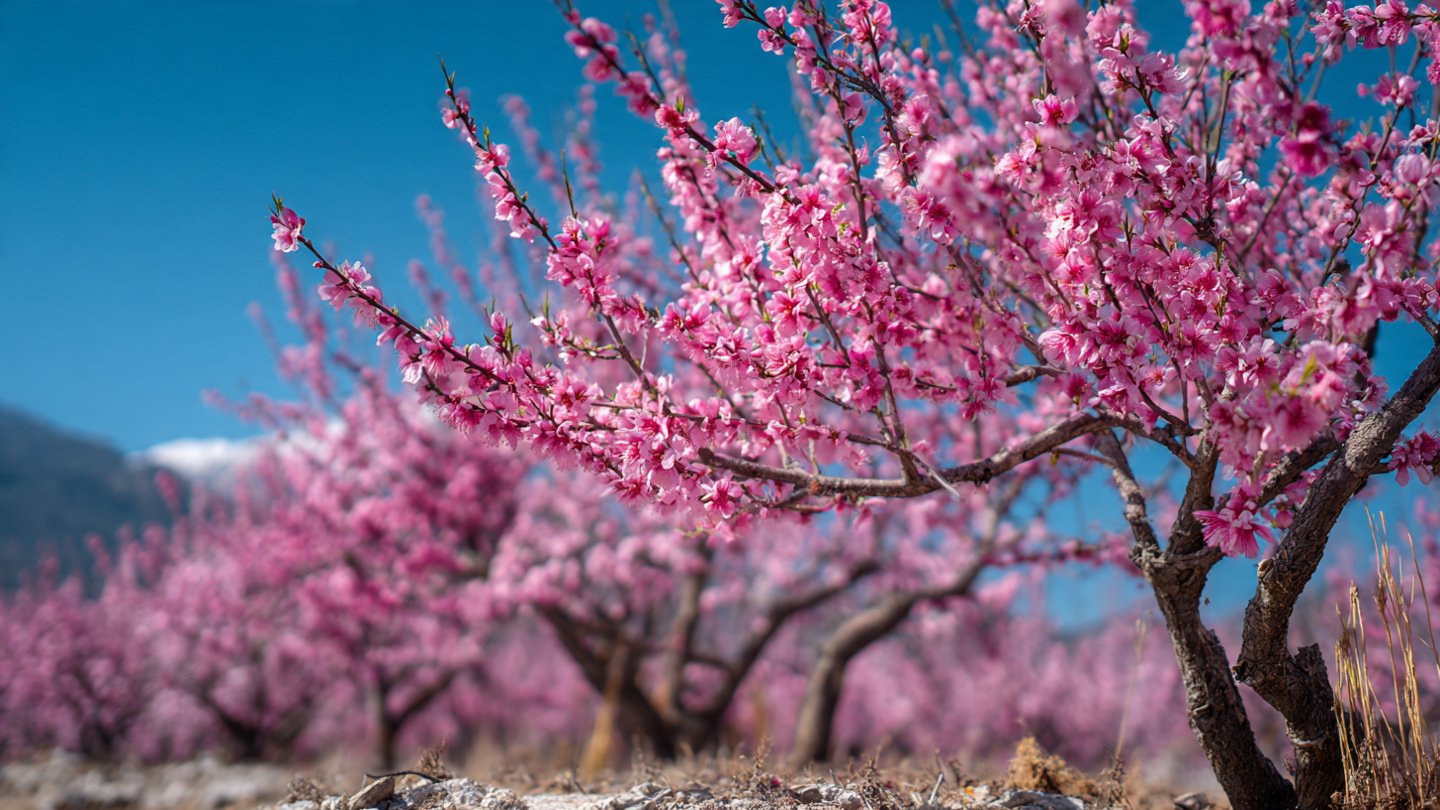

Growing peach trees can be a rewarding endeavor, particularly for those who appreciate the thrill of cultivating their own fruits. However, if you live in a cold climate, you may feel that growing peaches is a daunting task. Fortunately, there are simple methods to successfully grow peach trees in these regions, allowing you to enjoy the sweet rewards of your labor.
Understanding Peach Trees and Cold Climates
Peach trees (Prunus persica) thrive best in USDA hardiness zones 5 to 8. In colder climates, you may face challenges such as late frosts, insufficient chilling hours, and harsh winters. Nevertheless, with proper planning and care, you can successfully cultivate peaches even in zone 4 or lower.
Choosing the Right Varieties
The most crucial step in growing peach trees in cold climates is selecting the right varieties. Here are some peach tree varieties known for their cold hardiness:
- Contender: This variety can withstand temperatures as low as -20°F (-29°C) and produces juicy, sweet fruit.
- Reliance: A good option for colder regions, Reliance peaches are known for their adaptability and flavor.
- Polar Star: Specifically bred for colder climates, this variety can thrive in zones 3 to 7 and provides delicious fruit.
- Redhaven: A favorite among gardeners, Redhaven is cold-tolerant and produces medium to large peaches.
Site Selection and Preparation
Selecting the right site for your peach trees is essential for their success. The following factors should be considered:
Sunlight
Peach trees require full sun—at least 6 to 8 hours daily. Choose a location in your yard that receives ample sunlight throughout the day.
Soil Conditions
Peach trees prefer well-drained sandy loam or loamy soil with a pH between 6.0 and 7.0. You can test your soil and amend it with organic matter, such as compost, to improve drainage and fertility.
Protection from Wind
Cold winds can damage delicate blossoms and trees. Planting your peach trees near a structure or using windbreaks like fences or evergreen trees can help shield them from harsh weather conditions.
Planting Your Peach Trees
Proper planting techniques can significantly improve the chances of your peach trees thriving.
Timing
The best time to plant peach trees is in early spring or late fall while the trees are still dormant. If planting in spring, wait until the danger of frost has passed.
Digging the Hole
Prepare a planting hole that is twice as wide and as deep as the root ball. This gives the roots space to expand and establish themselves.
Planting Depth
Place the tree in the hole, ensuring that the graft union (the swollen area where the tree was grafted onto the rootstock) is above soil level to prevent rot. Fill the hole with soil and water generously.
Establishing a Watering Regimen
Consistent watering is crucial, especially during the first couple of years.
Deep Watering
Water the trees deeply but infrequently. This encourages strong root growth. Aim for about an inch of water per week, either from rainfall or supplemental irrigation.
Mulching
Applying a layer of organic mulch (like wood chips or straw) around the base of the tree helps retain moisture, suppress weeds, and regulate soil temperature. Ensure that the mulch is not piled against the trunk to prevent rot.
Fertilizing Peach Trees
Proper fertilization is essential for peach tree health and fruit production.
Timing
Use a balanced fertilizer in early spring, just as new growth begins. Avoid fertilizing too late in the season, as this can stimulate growth that may not harden off before winter.
Organic Options
Consider organic fertilizers like compost, well-rotted manure, or fish emulsion. They improve soil health and provide essential nutrients over time.
Pruning Techniques
Pruning peach trees helps to maintain their health and productivity.
Timing
Prune your peach trees in late winter or early spring while they are still dormant. This minimizes stress and allows the tree to heal more effectively.
Techniques
- Remove Dead/Limp Branches: Start by cutting away any dead or damaged branches to improve air circulation and light penetration.
- Open Up the Center: Form a vase shape by removing branches that cross or compete with the central leader. This technique maximizes sunlight to fruiting wood.
- Shortening: Trim back last year’s growth by about one-third to encourage lateral branching and fruit production.
Protecting Against Pests and Diseases
Cold climates are not exempt from pests and diseases. Here are some preventive measures:
Inspection
Regularly inspect your trees for signs of pests like aphids or peach tree borers. Early detection allows for timely intervention.
Organic Pest Control
Consider using organic solutions, such as insecticidal soap or neem oil, to minimize pest impacts.
Disease Management
Fungal diseases, such as brown rot or peach leaf curl, can be problematic. Proper spacing, pruning, and air circulation help reduce disease risks. Fungicides may be necessary if problems persist.
Winter Care
Winter can be harsh on peach trees, particularly young ones.
Mulching
As winter approaches, pile mulch around the tree base to insulate roots against extreme temperatures.
Wrapping
If you are in a particularly frigid zone, consider wrapping young trunks with tree wrapping to protect them from cold winds and sunscald.
Protection from Animals
Protect trees from rodents and deer during winter months by using guards or fencing around the base.
The Fruit Harvesting Process
After investing time and care, you’ll reach the exciting moment of harvest.
Ideal Timing
Peaches are usually ready to harvest when they’re fragrant and slightly soft to the touch. The color will fluctuate based on the variety, so consider using a harvest calendar specific to your chosen type.
Enjoying Your Peaches
After a successful harvest, the possibilities are endless. Fresh peaches can be eaten raw, canned, or even used in delightful recipes ranging from pies to salsas.
FAQs
1. Can I grow peaches in zone 4?
Yes! Many cold-hardy varieties, such as Polar Star and Contender, are suitable for zone 4.
2. How do I protect my peach tree from frost?
Planting in a sheltered location, using frost cloth, and applying mulch can help protect against frost during blossom time.
3. What pests should I watch for?
Common pests include aphids, peach tree borers, and spider mites. Regular inspections help catch infestations early.
4. How often should I water my peach trees?
Deep watering once a week is recommended, adjusting for rainfall and soil moisture.
5. When should I prune my peach trees?
Prunes should be conducted in late winter or early spring while the tree is still dormant.
Conclusion
Growing peach trees in cold climates may initially seem challenging, but with the right knowledge, variety selection, and care techniques, you can enjoy a fruitful harvest. By choosing cold-hardy varieties, ensuring proper care, and remaining vigilant against pests and diseases, you’ll soon be relishing the sweet rewards of your hard work. Happy gardening!