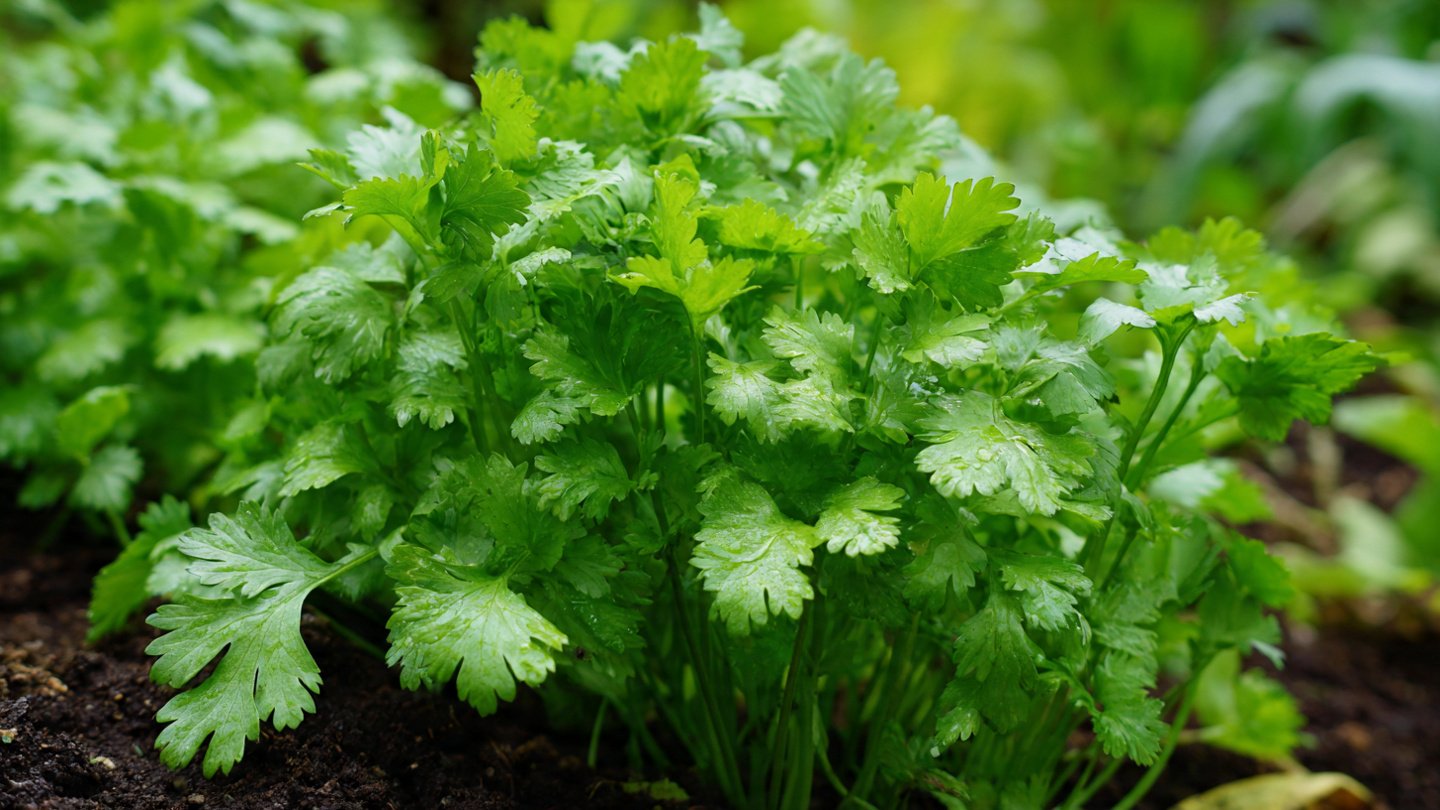

Coriander (Coriandrum sativum), also known as cilantro, is a versatile herb known for its unique flavor and culinary uses. Whether you are a seasoned gardener or a novice, cultivating coriander can enhance your garden and provide you with fresh, aromatic leaves for your dishes. This guide will take you through the entire process of growing coriander, from seed selection to harvesting and culinary use.
Understanding Coriander
Before diving into the growing process, it is essential to understand what coriander is. Both the leaves and the seeds of the coriander plant are edible. The leaves are commonly known as cilantro, while the seeds are referred to as coriander. This herb is prevalent in cuisine around the world, particularly in Asian and Latin American dishes.
Choosing the Right Variety
Coriander has several varieties, but the two most common are:
- Cilantro: This is the leaf form used fresh in garnishes and salads.
- Coriander seeds: The dried fruits, which can be ground into a spice.
When choosing seeds, opt for a variety that suits your climate and culinary needs. Here are a few popular choices:
- Slow-bolting varieties: Ideal for warmer climates, they resist premature flowering.
- Italian Coriander: Known for its robust leaves.
- Santo Cilantro: A fast-growing variety suited for cooler weather.
When to Plant
Coriander thrives in moderate temperatures and is typically planted in early spring or late summer. It prefers daytime temperatures between 60°F to 75°F (15°C to 24°C). In regions with milder winters, fall is also a suitable planting time.
Site Selection
Coriander prefers full sun, so choose a location that receives at least 6 hours of sunlight per day. The soil should be well-draining and rich in organic matter. A slightly acidic to neutral pH (around 6.2 to 6.8) is ideal for optimal growth.
Soil Preparation
Before planting, prepare the soil by following these steps:
- Clear the Area: Remove any weeds or debris from the planting site.
- Test Soil pH: A soil test can help determine pH and nutrient levels.
- Amend the Soil: Mix compost or well-rotted manure into the soil to improve fertility and drainage. Incorporate organic matter to enhance soil structure.
Sowing Seeds
Coriander can be grown from seed, and the process is straightforward:
- Seed Depth: Plant seeds about ¼ to ½ inch (6 to 13 mm) deep.
- Spacing: Space seeds 1-2 inches (2.5-5 cm) apart to allow for adequate air circulation.
- Row Spacing: Leave about 12 inches (30 cm) between rows for ease of access and maintenance.
You can directly sow seeds in the garden or start indoors in seed trays. If starting indoors, transplant seedlings outdoors when they are 2-3 inches (5-7 cm) tall.
Watering and Care
Coriander has moderate water needs. Here are some tips for watering and caring for your plants:
- Watering Schedule: Keep the soil consistently moist but not soggy. Water the plants regularly, especially during dry periods.
- Mulching: Apply a layer of organic mulch around the plants to retain moisture and suppress weeds.
- Weeding: Regularly check for weeds that may compete with your coriander for nutrients. Remove them by hand or use a hoe, being careful not to disturb the roots of the coriander.
Fertilization
Coriander benefits from a balanced fertilizer. Consider these tips:
- Initial Fertilization: Incorporate a slow-release fertilizer into the soil at planting time.
- Side Dressing: Apply additional fertilizer every 4-6 weeks to support growth.
Pest and Disease Management
While coriander is relatively pest-resistant, it can encounter problems like aphids, spider mites, and fungal diseases. Here are some management strategies:
- Natural Predators: Encourage beneficial insects like ladybugs, which can help control aphid populations.
- Neem Oil: Use neem oil or insecticidal soap for managing pests organically.
- Crop Rotation: Practice crop rotation to minimize soil-borne diseases.
Harvesting Coriander
Coriander can be harvested at various stages, depending on your culinary needs:
- Leaf Harvest: Cut the outer leaves with scissors when the plants are about 6-8 inches (15-20 cm) tall. This encourages new growth.
- Seed Harvest: If you’re growing coriander for seeds, allow the flowers to bloom and produce seeds. Once the seeds are brown and dry, cut the umbel off the plant and place it in a paper bag to finish drying.
Using Coriander in the Kitchen
Coriander leaves are flavor enhancers in many dishes. Here are some popular culinary uses:
- Fresh Garnish: Add chopped cilantro to tacos, salads, and soups for a burst of flavor.
- Pestos and Sauces: Blend cilantro with nuts, garlic, and olive oil for a refreshing sauce.
- Dressings and Marinades: Use it in dressings for salads or marinades for meats.
Dried coriander seeds can be used whole or ground, and they add a warm, nutty flavor to spice blends and baked goods.
Preserving Coriander
To enjoy coriander beyond the growing season, consider these preservation methods:
- Freezing: Chop fresh leaves and place them in ice cube trays with water. Once frozen, store the cubes in a resealable bag in the freezer.
- Drying: Hang coriander bunches upside down in a dark, dry place to dry. Once fully dried, crumble the leaves and store them in an airtight container.
Common Challenges
Growing coriander comes with its challenges. Here are the most common issues and solutions:
- Bolting: Coriander has a tendency to bolt (go to seed) in warmer temperatures. To prevent this, plant it in cooler weather or provide shade during hot days.
- Pest Outbreaks: Monitor your coriander weekly for signs of pests. Early detection allows for prompt treatment.
FAQs
1. When can I harvest my coriander?
You can start harvesting leaves once the plants are about 6-8 inches tall. For seeds, wait until the flowers have dried and seeds are brown.
2. How often should I water coriander?
Water coriander regularly to keep the soil consistently moist, especially in dry spells.
3. Does coriander grow well in containers?
Yes, coriander grows well in containers. Ensure the container has good drainage, and use a potting mix enriched with organic matter.
4. Can I grow coriander indoors?
Coriander can be grown indoors with sufficient light. Use grow lights if natural sunlight is insufficient.
5. Why does my coriander have a bitter taste?
Bitter leaves can indicate that the plant has bolted due to stress from heat or drought. Consistent watering and cooler planting times can help avoid this.
6. How can I prevent pests on my coriander?
Encourage beneficial insects, apply organic pesticides like neem oil, and maintain good garden hygiene to reduce pest risk.
7. Can I grow coriander year-round?
In warmer climates, you can grow coriander year-round. In colder regions, it’s best grown in spring and fall.
Conclusion
Growing coriander can be a rewarding experience, providing you with fresh herbs for your culinary creations. With the right preparation and care, you can enjoy an abundant leafy harvest throughout the growing season. From understanding the plant’s needs to overcoming challenges, this complete guide should equip you with everything necessary for a successful coriander garden. Happy gardening!