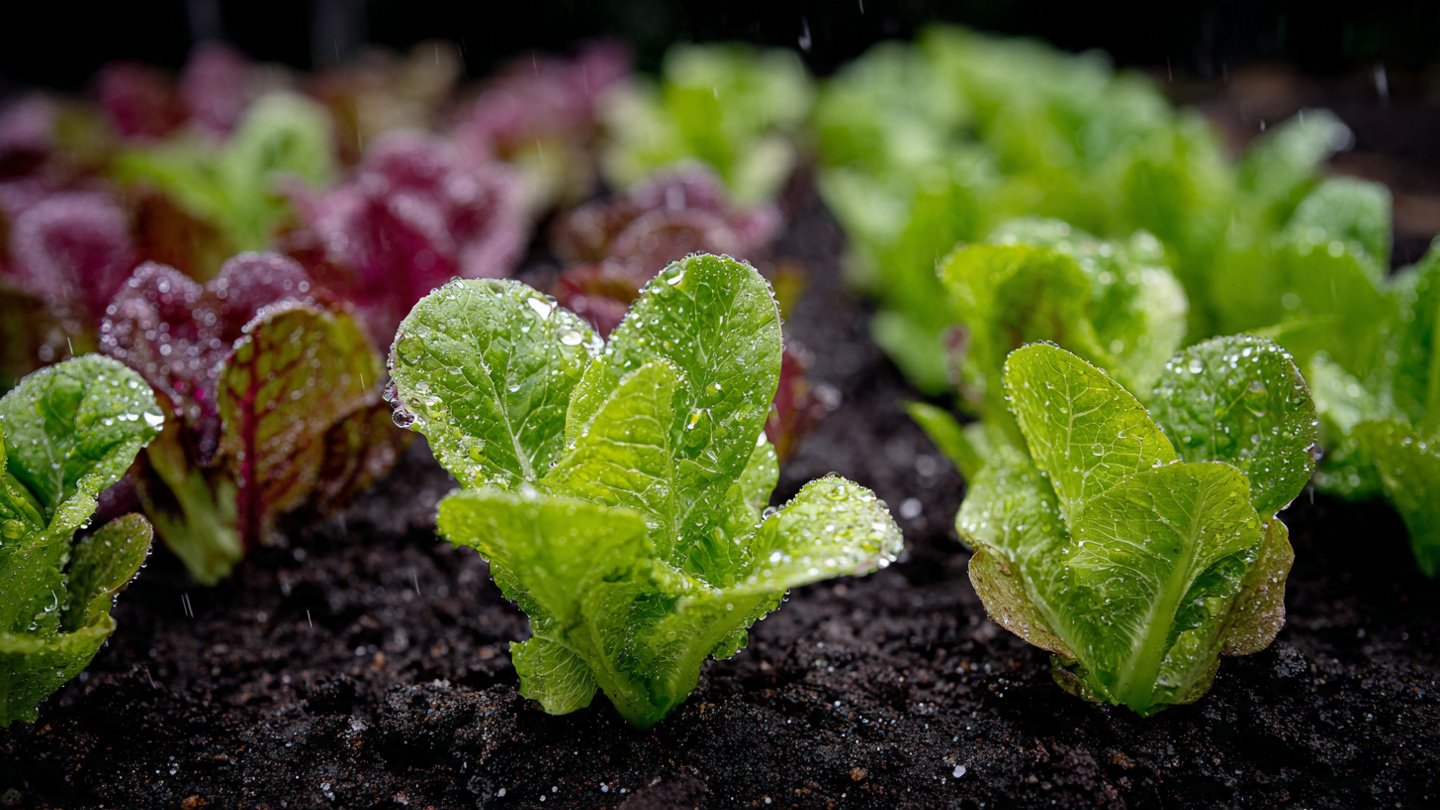

Growing baby lettuce in your home garden is not only a rewarding endeavor but also a practical way to enjoy fresh, nutritious greens at your fingertips. Baby lettuce, which refers to young plants harvested before they reach full maturity, offers tender, delicate flavors that enhance salads, sandwiches, and more. This guide will walk you through everything you need to know, from selecting the right varieties to harvesting and maintaining your crop.
Why Grow Baby Lettuce?
Baby lettuce is an excellent choice for home gardening for several reasons:
-
Quick Growth: Baby lettuce is fast-growing, typically maturing in as little as 30 days from seed. This allows for multiple harvests throughout the growing season.
-
Space Efficiency: It takes up minimal space, making it ideal for small gardens, containers, or even window boxes.
-
Nutritional Benefits: Lettuce is rich in vitamins A, C, and K, as well as fiber, making it a healthy addition to your diet.
-
Variety: There are many types of baby lettuce, each with unique flavors and textures, allowing you to mix and match to keep your meals exciting.
Choosing the Right Varieties
When growing baby lettuce, selecting the right varieties can greatly influence your gardening success. Some popular varieties include:
- Butterhead: Known for its soft, tender leaves and sweet flavor.
- Romaine: Crisp and crunchy, romaine lettuce is perfect for salads and sandwiches.
- Looseleaf: Ideal for a quick harvest, looseleaf varieties like ‘Black Seeded Simpson’ are easy to grow and very forgiving.
- Red and Green Lollo Rosso: These have frilled edges and add color and texture to your garden and plate.
Consider starting with a mix of these varieties to experience a broader range of flavors and textures.
Preparing Your Garden Bed
1. Choosing the Right Location
Baby lettuce thrives in cooler temperatures, making a location that receives partial shade—especially during hot summer months—ideal. However, ensure they still get at least 4-6 hours of sunlight per day.
2. Soil Preparation
- Soil Type: Lettuce prefers well-draining, loamy soil enriched with organic matter.
- pH Level: Aim for a soil pH of 6.0 to 7.0, which is slightly acidic to neutral.
- Nutrient-Rich Mix: Before planting, mix compost or well-rotted manure into the soil to improve its nutrient content.
3. Preparing the Seedbed
Loosen the soil to a depth of about 12 inches and rake it smooth to remove any debris. If you’re using a raised bed or container, ensure it is filled to the appropriate depth with your soil mix.
Planting Baby Lettuce
1. Sowing Seeds
- Timing: Baby lettuce can be sown as soon as the soil can be worked in spring, and you can also plant fall crops until a few weeks before the first frost.
- Seed Depth: Plant seeds about 1/4 to 1/2 inch deep, as they require light to germinate.
- Spacing: For direct sowing, scatter seeds thinly over the soil surface and cover them lightly. If you prefer in rows, space seeds about 1 inch apart and thin them later.
2. Transplanting Seedlings
If starting seedlings indoors, transplant them outdoors when they have two true leaves and are about 2-3 inches tall. Harden them off for a week by gradually exposing them to outdoor conditions before planting.
Watering and Care
1. Watering
- Consistency is Key: Keep the soil consistently moist, but not soggy. Lettuce prefers evenly moist conditions.
- Mulching: Apply mulch around the plants to help retain moisture and suppress weeds.
2. Fertilizing
- Initial Feed: If your soil is nutrient-rich, you may not need to fertilize much. However, if your plants show signs of nutrient deficiency (e.g., yellowing leaves), a balanced, water-soluble fertilizer can be beneficial.
3. Pest and Disease Control
Watch out for common pests, such as aphids and slugs. Use organic methods like insecticidal soap or diatomaceous earth to manage pests.
4. Weeding
Regularly check for weeds that compete for nutrients and water. Hand-pulling is effective for small infestations.
Harvesting Baby Lettuce
1. Timing for Harvest
Baby lettuce is typically harvested when the leaves are about 3-4 inches tall. For optimal flavor and tenderness, it’s best to harvest in the morning after the dew has dried.
2. How to Harvest
You can choose between two methods:
- Cut and Come Again: Use scissors to snip the outer leaves, allowing the inner leaves to continue growing.
- Full Harvest: Alternatively, pull the entire plant if you want to clear a section of your garden. This is great for quick meals but won’t allow for regrowth.
3. Storage
Freshly harvested baby lettuce lasts longer in the refrigerator. Store it in a plastic bag or container with a damp paper towel to maintain moisture. Use it within a week for the best flavor and texture.
Additional Tips for Success
- Staggered Planting: For a continuous supply of baby lettuce, sow seeds every two weeks through the growing season.
- Companion Planting: Lettuce grows well alongside radishes, carrots, and beets, which can help optimize your garden space.
- Plan for Bolting: As temperatures increase, lettuce may bolt (flower and go to seed), resulting in bitter-tasting leaves. Consider planting heat-resistant varieties or growing in shaded areas during hot months.
Troubleshooting Common Issues
1. Leaf Discoloration
If you notice yellowing leaves, it could be due to a nitrogen deficiency or overwatering. Adjust your fertilization or watering practices accordingly.
2. Pests
Utilize companion planting and row covers to shield young plants from pests.
3. Poor Germination
Ensure your seeds are fresh and that conditions are appropriate (temperature, moisture). Adjust your planting schedule if necessary.
FAQs
Q1: What is the best time of year to grow baby lettuce?
A1: Baby lettuce can be planted in early spring and again in late summer for a fall harvest. It thrives in cooler temperatures.
Q2: Can I grow baby lettuce in containers?
A2: Absolutely! Choose containers that are at least 6-8 inches deep and ensure they have drainage holes.
Q3: How often should I water my baby lettuce?
A3: Water consistently to keep the soil moist. In hot weather, you may need to water daily.
Q4: How long does it take for baby lettuce to grow from seed?
A4: Baby lettuce typically germinates in 7-14 days and can be ready for harvest in about 30 days.
Q5: Do I need to fertilize baby lettuce?
A5: It depends on your soil quality. If the soil is rich in organic matter, additional fertilization may not be necessary. Monitor your plants for signs of nutrient deficiency.
Q6: Can I continue to harvest baby lettuce after the first cut?
A6: Yes! Using the “cut and come again” method allows for multiple harvests from the same plant, extending your lettuce supply.
Q7: What should I do if my lettuce starts to bolt?
A7: If you see flower stalks, it’s best to harvest the leaves immediately, as they will turn bitter. For future crops, you may want to plant bolt-resistant varieties or adjust your planting schedule.
Growing baby lettuce in your home garden can be a fulfilling experience that yields delicious results. With the right care and knowledge, you can provide your family with fresh greens throughout the season. Happy gardening, and enjoy the bounty of your hard work!