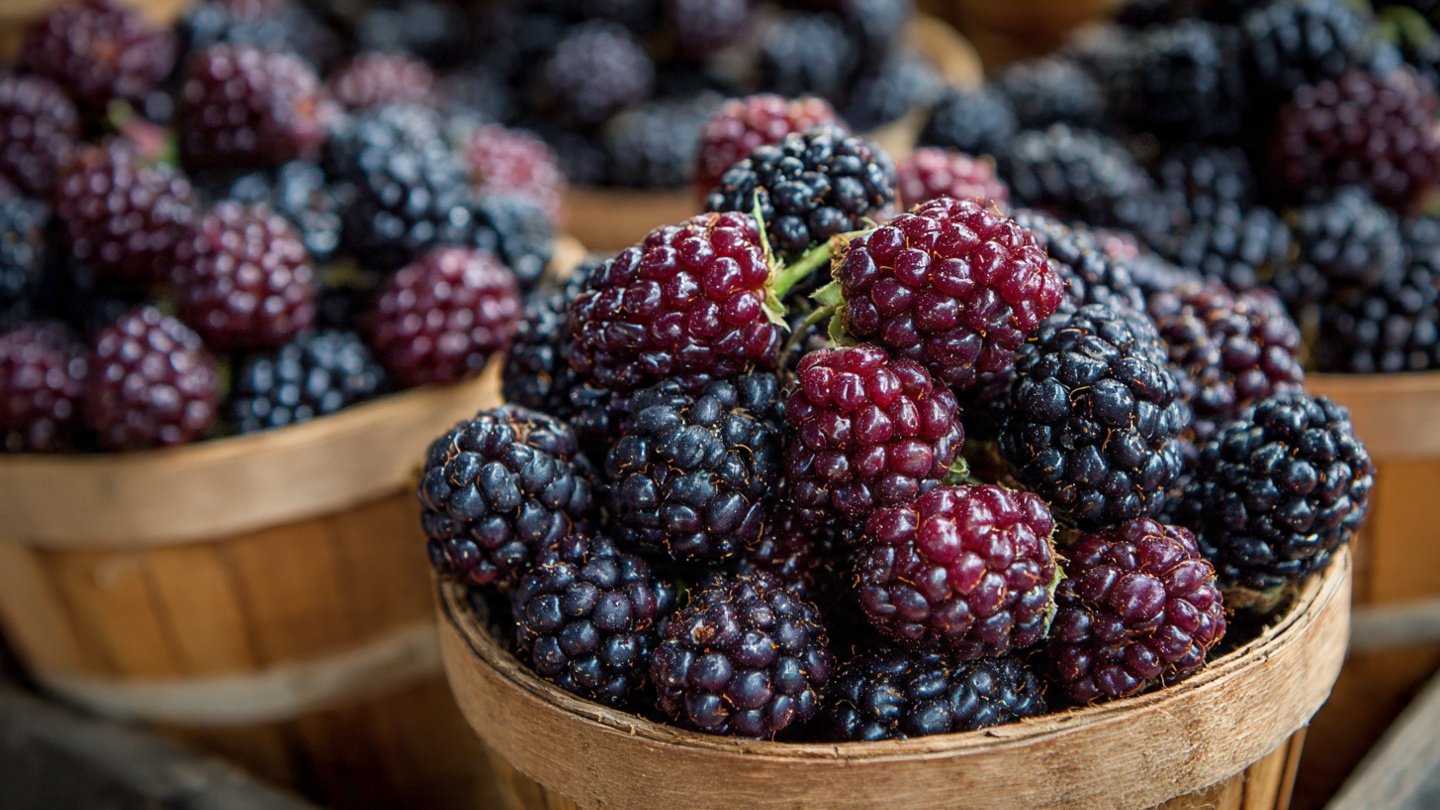

Marionberries, often referred to as the “Cabernet of Blackberries,” are a delectable berry variety cultivated primarily in Oregon. Known for their exceptional flavor, these juicy fruits can be savored straight from the plant or incorporated into various recipes. For those with limited gardening space, such as urban dwellers or apartment residents, growing Marionberries in containers can be a gratifying endeavor. This article will guide you through the process of successfully cultivating Marionberries in containers.
Understanding Marionberries
What Are Marionberries?
Marionberries are a hybrid variety of blackberry, crossing the ‘Olympic’ and ‘Chehalem’ blackberry types. They are celebrated for their sweetness, attractive appearance, juicy texture, and versatility in dishes ranging from pies to jams. Marionberries are perennials, meaning they can produce fruit year after year in the right conditions.
Why Grow in Containers?
- Space Utilization: Containers allow gardeners to maximize limited space, making it possible to grow fruits and vegetables in small yards, balconies, or patios.
- Mobility: Containers can be moved to take advantage of sunlight or protect plants from harsh weather.
- Soil Control: Container gardening enables precise control over the soil quality and drainage, which improves plant health.
- Pest Management: Growing in containers can reduce pests and diseases typically found in garden beds.
Choosing the Right Container
Container Size
The size of the container is crucial for healthy root development. For Marionberries, choose containers that are at least 5 gallons (19 liters) in capacity. Larger containers (10-15 gallons) are preferable for more established plants.
Container Material
Containers come in various materials, including plastic, terracotta, and fabric. Each has its pros and cons:
- Plastic: Lightweight, affordable, and retains moisture well, but may not be as breathable.
- Terracotta: Attractive and breathable, allowing for good drainage but can dry out quickly in hot weather.
- Fabric pots: Excellent drainage and aeration, reducing the risk of root rot, but may require more frequent watering.
Drainage
Ensure that your containers have ample drainage holes to prevent waterlogging, which could harm root health. If using non-draining pots, consider adding gravel or stones at the bottom.
Selecting the Right Soil
Soil Composition
Marionberries thrive in well-draining, fertile soil with a pH between 5.5 and 7.0. A high-quality potting mix is suitable for container growth, but you can also create your own mix:
- 50% potting soil
- 25% perlite or vermiculite for aeration
- 25% compost for nutrients
Fertilization
Fertilize your Marionberries with a balanced fertilizer (like a 10-10-10 or similar) in early spring and again in mid-summer. Avoid over-fertilizing, as this can lead to excessive foliage growth at the expense of fruit production.
Choosing and Planting Marionberries
Selecting the Right Varieties
While Marionberries are an excellent choice, it’s important to select disease-resistant cultivars adapted to container growth. Some recommended varieties include:
- Marionberry: The classic choice, great for flavor.
- Triple Crown: Known for its berry size and productivity.
- Black Diamond: A smaller fruit; can be a good choice for small spaces.
Planting Marionberries
- Timing: Plant Marionberries in spring after the last frost, or in fall in milder climates.
- Spacing: If planting multiple containers, allow sufficient space between them (at least two feet) for airflow and sun exposure.
- Planting Method:
- Fill the container with the soil mix, leaving a couple of inches from the top.
- Create a hole large enough for the root ball of the Marionberry plant.
- Place the plant in the hole and backfill with additional soil, ensuring that the crown (where the plant stem meets the root) sits at soil level.
- Water thoroughly to eliminate air pockets.
Supporting Your Plants
Marionberries are trailing plants that require support for optimal growth. Install a trellis or stakes early on to guide the canes as they grow. This not only saves space but enhances air circulation and sunlight exposure.
Care and Maintenance
Watering
Marionberries require consistent moisture, especially during the growing season. Containers can dry out faster than garden beds, so water regularly, particularly during hot weather. Aim for deep watering that saturates the soil, allowing the top inch to dry out between waterings.
Pruning
Pruning is essential for healthy growth and productivity. The best time to prune is in late winter or early spring before new growth starts. Here’s how to prune:
- Remove dead or damaged canes.
- Cut back the previous year’s canes to the ground if they have borne fruit.
- Shorten new canes to encourage branching, which leads to more fruit in the coming seasons.
Pest Control
Keep an eye out for common pests such as aphids, spider mites, and hornworms. Use organic insecticidal soap or neem oil to manage infestations. Regularly inspect your plants and maintain good hygiene by cleaning up fallen fruits or leaves to deter pests.
Disease Management
Marionberries can be susceptible to diseases like root rot and powdery mildew. Ensure proper watering practices and air circulation to reduce the risk of these diseases. If signs of disease appear, remove affected leaves and treat with appropriate fungicides if necessary.
Harvesting Marionberries
Marionberries typically ripen in early to mid-summer. The berries are ready for harvest when they are fully colored, easy to pull from the cane, and have a sweet smell. Harvesting should be done in the morning when temperatures are cooler for the best flavor.
FAQs
1. Can I grow Marionberries in a balcony garden?
Absolutely! Marionberries thrive in containers, making them perfect for balcony gardens. Just ensure they receive ample sunlight and support.
2. How often should I water my Marionberries in containers?
Water your Marionberries regularly, aiming for the top inch of soil to dry out between waterings. Aim for deep watering to encourage strong root development.
3. Do Marionberries require a pollinator?
Marionberries are self-pollinating, but having multiple plants can enhance fruit set and yield.
4. What is the best type of fertilizer for Marionberries?
Use a balanced fertilizer like 10-10-10 or one specifically formulated for fruit-bearing plants. Fertilize once in early spring and again in mid-summer.
5. How do I protect my Marionberries from frost?
If frost is expected, cover your containers with frost cloths, or move them to a sheltered location to prevent damage.
6. Can I grow Marionberries indoors?
While it’s challenging to cultivate Marionberries indoors due to their need for full sunlight, it’s not impossible with adequate lighting. Use grow lights if natural light is insufficient.
7. How long do Marionberries take to produce fruit?
Typically, Marionberries will produce fruit about 1-2 years after planting, depending on growing conditions and care.
Conclusion
Growing Marionberries in containers is not only feasible but can also be an incredibly rewarding experience. By following the guidelines outlined above—from selecting the right container to the proper care and harvesting techniques—you can enjoy fresh, home-grown Marionberries year after year. Happy gardening!