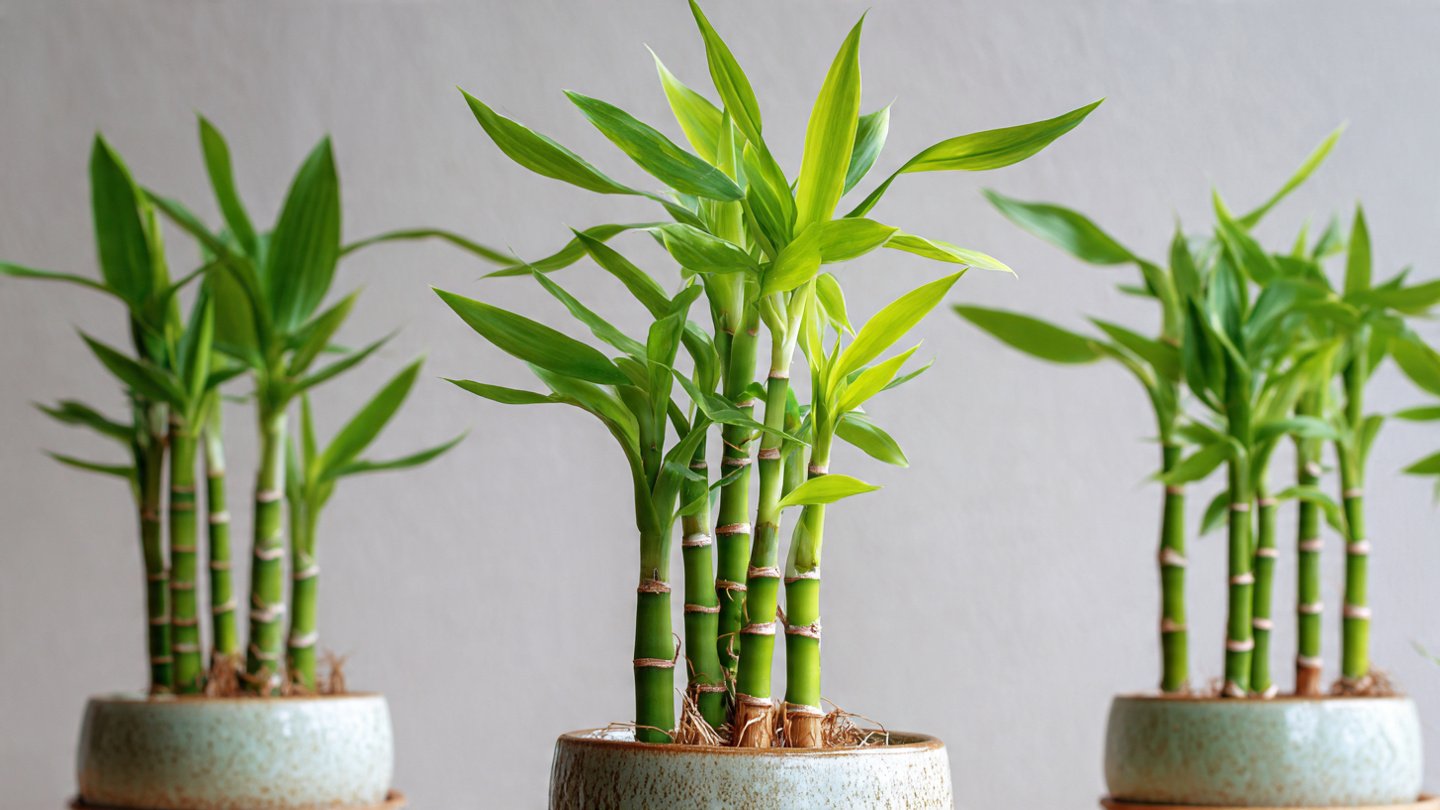

Lucky bamboo, known scientifically as Dracaena sanderiana, has become a popular choice for indoor gardening enthusiasts. Valued not only for its aesthetic appeal but also for its reputed ability to bring good fortune, this resilient plant excels in low-light conditions, making it an excellent choice for various home and office settings. One of the most visually striking characteristics of lucky bamboo is its thick stems, which can enhance its overall health and beauty.
To cultivate thick stems in your lucky bamboo plants, a multi-faceted approach is required, focusing on environmental conditions, care practices, and proper nutrition. This comprehensive article will explore essential methods to ensure optimal growth of thick-stemmed lucky bamboo, along with answering frequently asked questions.
Understanding Lucky Bamboo Stems
Before diving into cultivation techniques, it’s essential to understand what constitutes a “thick stem.” A thick stem usually indicates the plant’s overall health and capability to endure stressors like humidity fluctuations or pests. Thicker stems can support more leaves and contribute positively to the plant’s ecosystem, providing sturdiness and balance.
The thickening of stems in lucky bamboo results from adequate water intake, balanced nutrition, and suitable environmental conditions.
1. Choosing the Right Environment
Light Conditions
Lucky bamboo thrives in indirect sunlight. Direct sunlight can scorch the leaves, while too little light can hinder growth. Ideally, place your lucky bamboo near a window with filtered light. If that’s not possible, consider fluorescent lighting as an alternative. A light period of about 12-14 hours is optimal for facilitating growth.
Humidity and Temperature
Keeping humidity levels high is essential for thick stem development. Lucky bamboo prefers a humidity level of around 40-60%. If you live in a dry climate, consider using a pebble tray filled with water under the plant or misting the leaves regularly.
Optimal temperature should range from 65°F to 95°F (18°C to 35°C). Fluctuations outside this range can stress the plant, causing growth to stagnate or lead to thinning stems.
2. Watering Techniques
Choosing the Right Water
One of the most significant factors in the health of lucky bamboo is the water quality. Tap water can contain chlorine and other chemicals that may not be suitable for lucky bamboo. Consider using distilled water, rainwater, or filtered water for the best results.
Watering Frequency
Lucky bamboo doesn’t require much water, especially if it’s grown in soil. Typically, once a week is sufficient when kept in a proper light and humidity environment. If your lucky bamboo is in water, change the water every 2-4 weeks to prevent stagnation and algae growth.
Watering Method
For those growing lucky bamboo in soil, water thoroughly until it drains out of the bottom. For those using water culture, ensure that the roots are submerged without the stems coming into contact with the water, as this can lead to rot.
3. Soil Nutrients
Soil Type
If you’re growing lucky bamboo in soil, the type of soil you choose plays a crucial role. A well-draining potting mix is ideal. A combination of potting soil, sand, and perlite can create an appropriate environment. This mix retains moisture yet allows excess water to drain.
Fertilizing Your Lucky Bamboo
Applying the right nutrients can significantly contribute to thick stem growth. Use a balanced, water-soluble fertilizer diluted to one-fourth strength. Fertilize every two months during the growing season (spring and summer). Be cautious not to over-fertilize, which can lead to salt buildup, manifesting as brown leaf tips or stems.
A beneficial approach is to seek fertilizers containing essential micronutrients like magnesium or calcium, which strengthen plant structures and promote stem thickening.
4. Pruning Techniques
Regular pruning not only encourages thick stem growth but also fosters a compact shape. Here’s how to effectively prune your lucky bamboo:
Timing
The ideal time to prune is during the growing season. Spring is the best time, as it allows the plant to recover quickly.
Technique
Use clean, sharp scissors or pruning shears to trim away any yellowing or dead leaves, as well as any leggy stems. Cutting just above a leaf node encourages the plant to focus energy on healthier growth, contributing to thicker stems over time.
5. Supporting Structures
As your lucky bamboo grows, providing external support may help in maintaining thicker stems. Consider the following:
Support Sticks
In tall, spindly plants, bamboo stakes or support sticks can give the plant a stable structure to lean against, preventing breakage.
Ties
Use soft ties to gently secure the stems if they show signs of bending under their weight. Avoid tying too tightly, as this can damage the stems.
6. Managing Pests and Diseases
While lucky bamboo is relatively resistant to pests, it can still suffer from aphids, spider mites, and mealybugs. Here’s how you can manage them:
Regular Check-ups
Regularly inspect your bamboo for signs of pests. Early detection makes it easier to control infestations.
Treatment Methods
Use insecticidal soap or neem oil to resolve pest issues without harming the plant. Always follow application instructions carefully.
Fungal Diseases
Overwatering can lead to root rot or fungal infections. Ensuring proper drainage and spacing can help mitigate this risk.
7. Patience and Observational Care
Growing a healthy, thick-stemmed lucky bamboo takes time and care. Pay attention to changes in your plant, adjusting care as needed. Monitor growth patterns: if your bamboo becomes leggy or weak, look to adapt light or watering practices.
Regular observation will enable you to catch potential problems early, keeping your lucky bamboo on a path to success.
Conclusion
Cultivating thick stems in your lucky bamboo plants is a rewarding process that involves a combination of environmental management, proper watering, nutrient balance, and careful pruning. By ensuring that your lucky bamboo receives the ideal conditions, you’ll be rewarded with a visually stunning and robust plant that thrives for years.
FAQs
1. How long does it take for lucky bamboo to grow thick stems?
Lucky bamboo typically grows quite slowly, with some varieties taking several months to a year to exhibit thicker stems. Care practices like proper light, water, and nutrients will help speed up this process.
2. Can I grow lucky bamboo in soil and water simultaneously?
While lucky bamboo can thrive in both mediums, it’s essential to choose one method for consistency. Transitioning from water to soil is possible but requires acclimation.
3. Why are my lucky bamboo stems turning yellow?
Yellowing stems are often a sign of overwatering, nutrient deficiencies, or exposure to direct sunlight. Ensure you are following appropriate care practices to avoid these issues.
4. How often should I rotate my lucky bamboo?
Rotating your lucky bamboo every few weeks can help ensure even growth and light distribution, preventing the plant from developing a lopsided appearance.
5. Can lucky bamboo be propagated from the cuttings?
Yes, lucky bamboo can be propagated from cuttings. Ensure the cutting has at least one node and place it in water or soil to develop roots.
By following these guidelines and tips, your lucky bamboo will flourish, giving you both joy in your gardening journey and a symbol of prosperity in your space. Happy growing!