
Growing your own herbs can be a delightful and rewarding experience, and chocolate mint (Mentha × piperita) stands out for its unique flavor and fragrance. This hybrid mint variety is not only used in culinary delights but also adds a charming scent to your herb garden. In this guide, we will explore simple techniques to cultivate chocolate mint at home, regardless of your gardening expertise.
What is Chocolate Mint?
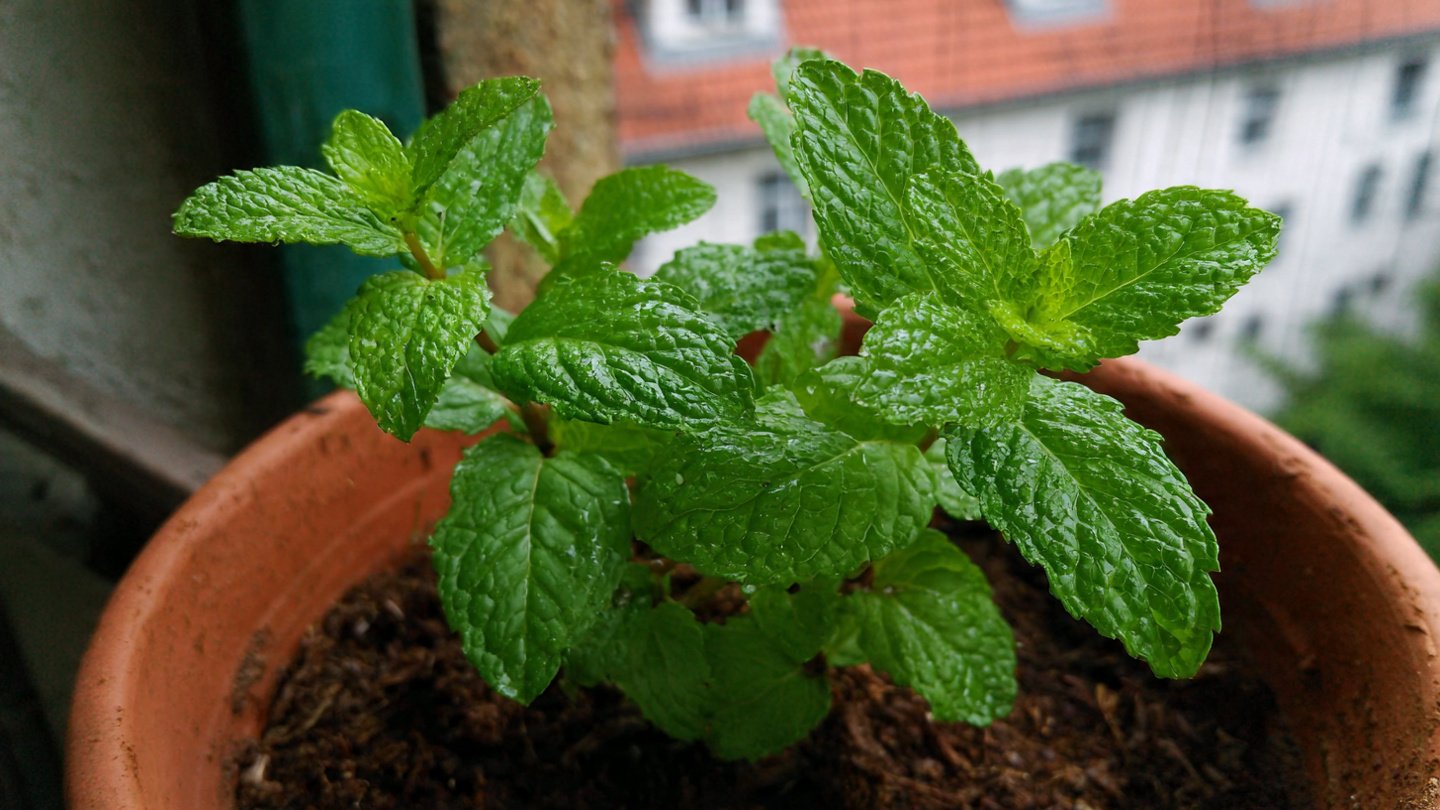
Chocolate mint is a variety of peppermint that has a distinct cocoa aroma along with its fresh, minty profile. It is often used in desserts, teas, and even savory dishes. The plant typically grows about 18 to 24 inches tall and produces small purple flowers. Its leaves are darker and slightly more serrated than typical mint varieties, making it an attractive addition to any garden.
Why Grow Chocolate Mint?
- Culinary Uses: Chocolate mint enhances the flavor of desserts, teas, and even sauces. It blends well with chocolate, making it a favorite in recipes that call for a minty touch.
- Aromatic Benefits: The plant’s aromatic qualities can improve your garden’s ambiance and can also be used in potpourris and sachets.
- Medicinal Qualities: Like many herbs, chocolate mint can offer digestive benefits and may aid in relaxation.
Where to Grow Chocolate Mint
1. Choosing a Location
Chocolate mint prefers semi-shaded areas but can also thrive in full sunlight. An area that receives at least 4-6 hours of sunlight each day is ideal. Avoid planting it in areas with deep shade or extreme heat, which could hinder its growth.
2. Soil Requirements
Mint grows best in well-draining, loamy soil that is rich in organic matter. You can enhance garden soil by mixing it with compost or well-rotted manure. The ideal pH range is between 6.0 and 7.0.
3. Container or In-Ground Planting
Chocolate mint can be grown in containers, making it ideal for patio gardening, or in garden beds. If planting in the ground, keep in mind that mint can be invasive. Consider using barriers or planting it in pots to control its growth.
How to Grow Chocolate Mint
1. Starting from Seeds or Cuttings
-
Seeds: Start by sowing seeds indoors 8-10 weeks before the last frost date or outdoors once temperatures are consistently above 60°F (15°C). Lightly cover the seeds with soil, and maintain moisture until they germinate.
-
Cuttings: The simplest method to propagate chocolate mint is by taking cuttings from an established plant. Cut a healthy stem below a leaf node and place it in a glass of water or directly into moist soil. If using water, roots will develop in a couple of weeks.
2. Transplanting
Once seedlings or cuttings have developed a few sets of leaves and roots, transplant them into their permanent location. Space them at least 12 inches apart to allow for growth.
3. Watering
Chocolate mint requires regular watering. Keep the soil consistently moist but avoid waterlogging. An inch of water per week is usually sufficient, especially during hot months. Container plants may need more frequent watering.
4. Fertilizing
Mint is not a heavy feeder, but a light application of balanced fertilizer every 6-8 weeks during the growing season can enhance growth. Organic options like compost or fish emulsion are suitable and will sustainably nourish the plant.
5. Pruning and Maintenance
Regularly pinch off the tips of the stems to promote bushiness and prevent flowering. If flowers do appear, remove them promptly to encourage leaf growth instead of seed formation.
6. Pest Control
Chocolate mint can attract pests like aphids and spider mites. Natural repellents such as neem oil or insecticidal soap can be used. Encouraging beneficial insects, like ladybugs, can also help control pest populations.
7. Harvesting
Once your chocolate mint plants have a good amount of foliage (typically around 2-3 months after planting), you can start harvesting. Use scissors to cut the leaves or stems, focusing on the top third of the plant. This promotes further growth and ensures your plant remains healthy.
Tips for Growing Chocolate Mint Successfully
- Avoid Overcrowding: Chocolate mint can spread quickly and take over other plants. Use pots or barriers to contain its growth if necessary.
- Use as Ground Cover: If spaced appropriately, chocolate mint can act as an attractive ground cover while also being functional.
- Monitor for Diseases: Keep an eye out for fungal diseases, especially if growing in overly wet conditions. Good air circulation can help prevent these issues.
Creative Culinary Uses
Now that your chocolate mint is thriving, it’s time to get creative in the kitchen. Here are a few ideas:
- Chocolate Mint Tea: Steep fresh leaves in boiling water for a refreshing herbal tea. Add a touch of honey for sweetness.
- Chocolate Mint Dessert: Incorporate minced leaves into brownie or cake batter for a minty chocolate flavor.
- Cocktails: Use fresh chocolate mint leaves in cocktails like mojitos or mint juleps for an aromatic twist.
- Savory Dishes: Add mint to salads or sauces for lamb or chicken as it pairs wonderfully with rich meats.
FAQs About Chocolate Mint
1. Can chocolate mint be grown indoors?
Yes, chocolate mint can thrive indoors if placed in a sunny spot, such as a south-facing window. Ensure proper drainage and humidity levels are maintained.
2. Will chocolate mint harm other plants?
Mint can be invasive if planted in the ground without barriers, as it spreads rapidly. Consider using containers or planting in controlled areas to prevent it from overtaking other plants.
3. How often should I water my chocolate mint?
Water your chocolate mint regularly, ensuring the soil stays consistently moist without becoming waterlogged. Typically, an inch of water per week is enough.
4. What pests should I watch for?
Aphids, spider mites, and whiteflies are common pests that may affect chocolate mint. Utilize organic pest control methods to manage infestations without harming beneficial insects.
5. Can I use chocolate mint in baking?
Absolutely! Chocolate mint adds a delightful flavor to baked goods. You can use the leaves chopped or infused in liquids.
6. Is chocolate mint safe to eat?
Yes, chocolate mint is completely safe to eat and is often used in culinary applications. However, always wash the leaves thoroughly before consumption.
7. How can I store fresh chocolate mint?
Fresh chocolate mint can be stored in the refrigerator wrapped in a damp paper towel or placed in a glass of water like a bouquet. For long-term storage, consider freezing the leaves in ice cube trays.
Conclusion
Growing chocolate mint at home can be a fulfilling endeavor that enhances both your culinary experiences and your garden’s aesthetic. By following the simple techniques outlined in this guide, you can cultivate a healthy, flourishing chocolate mint plant that will provide you with fresh leaves year-round. Happy gardening!