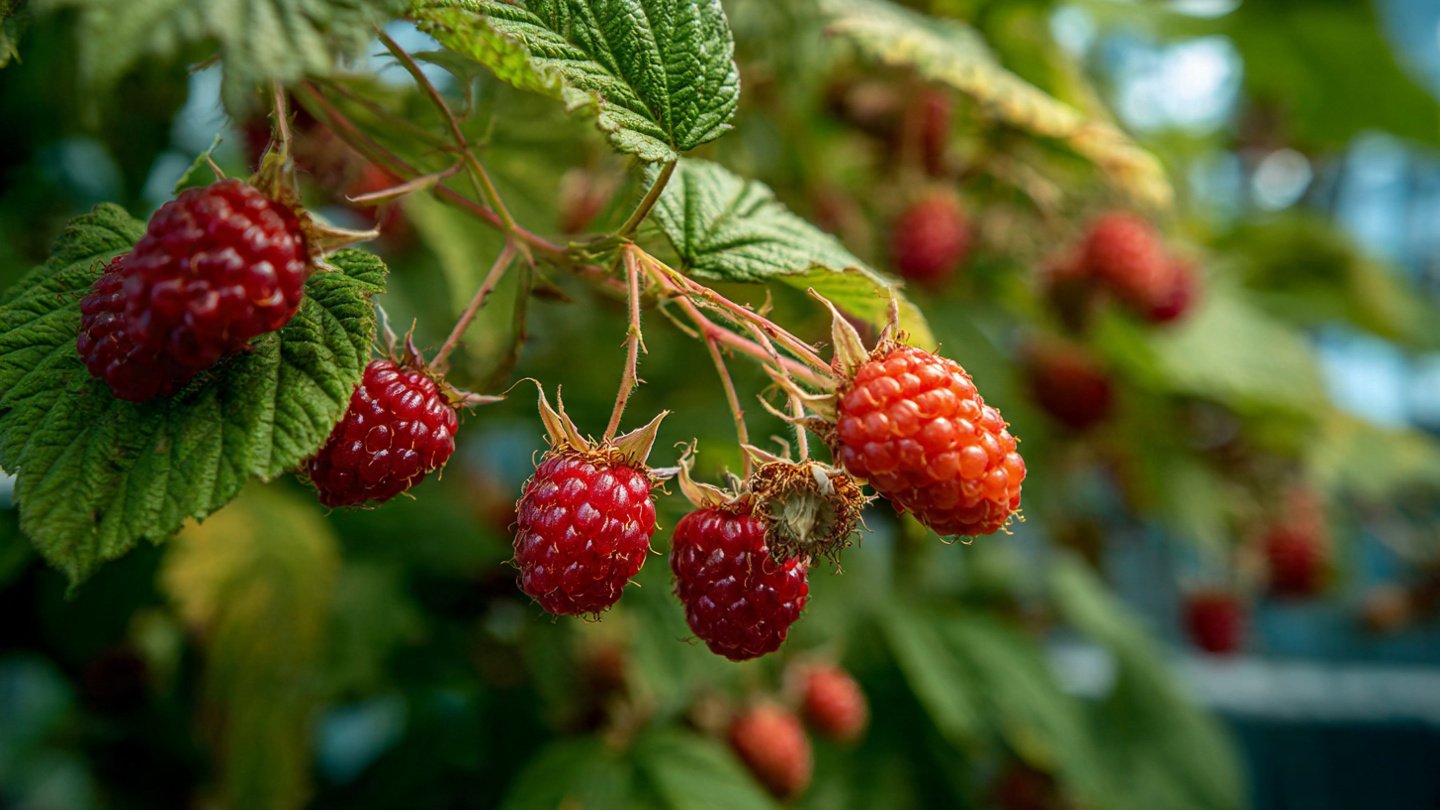

Loganberries, a cross between raspberries and blackberries, are a delightful addition to any garden, especially for those with limited space. Their juicy, slightly tart flavor makes them excellent for jams, desserts, and fresh eating. This guide will walk you through everything you need to know about successfully growing loganberries in containers, making it ideal for urban gardeners or anyone looking to maximize their available space.
1. Understanding Loganberries
1.1 What Are Loganberries?
Loganberries (Rubus × loganobaccus) were first cultivated in the late 19th century in California by a horticulturist named James Harvey Logan. They are characterized by their thin skin, vibrant red color, and sweet-tangy flavor, making them a versatile fruit.
1.2 Benefits of Growing Loganberries
- Compact Growth: Loganberries can be grown in limited spaces without sacrificing the quality and quantity of fruit.
- Highly Productive: A single plant can yield a substantial amount of fruit in a season.
- Nutritional Benefits: Rich in vitamins C and K, loganberries are also a source of fiber and antioxidants.
2. Choosing the Right Container
2.1 Container Size
When growing loganberries in containers, the size of the pot matters. Aim for a container that is at least 5 gallons (19 liters) to ensure the plant has enough room for its root system to thrive. Larger pots can hold more moisture and nutrients, which is vital for berry production.
2.2 Container Material
Choose pots made from materials like wood, ceramic, or high-quality plastic. Ensure that the container has adequate drainage holes to prevent waterlogging. If you’re using a porous material like clay, be aware that it can dry out more quickly.
3. Soil and Nutrients
3.1 Soil Type
Loganberries thrive in well-draining, fertile soil. A mix of potting soil, compost, and perlite or vermiculite (for aeration) provides a suitable medium. This combination will ensure good drainage and ample nutrients, crucial for healthy growth.
3.2 Fertilization
Apply a slow-release, balanced fertilizer (such as 10-10-10) every month during the growing season. Additionally, you can use organic fertilizers like fish emulsion or compost tea every few weeks to provide extra nutrients. Always follow the recommended product instructions to avoid over-fertilizing.
4. Planting Loganberries
4.1 Best Time to Plant
The best time to plant loganberries is in late winter or early spring when the risk of frost has passed. This timing allows the plants to establish their roots before the growing season begins.
4.2 Planting Process
- Preparing the Container: Fill your container with the soil mix, leaving about an inch of space at the top.
- Adding the Plant: Make a hole in the center of the soil and carefully place the loganberry plant in the hole. Ensure that the crown of the plant is level with the soil surface.
- Backfilling: Gently backfill the hole with soil, pressing down lightly to eliminate air pockets.
- Watering: Water the newly planted loganberry thoroughly to help settle the soil around the roots.
5. Care and Maintenance
5.1 Light Requirements
Loganberries thrive in full sun, requiring at least 6 to 8 hours of direct sunlight each day. If you’re growing in a shaded area, consider moving your containers to a sunnier spot during the growing season.
5.2 Watering
Keep the soil consistently moist but not soggy. Water deeply, ensuring that water drains through the bottom of the container. During dry spells or hot weather, daily watering may be necessary.
5.3 Pruning
Pruning is essential for maintaining plant health and encouraging fruit production. After fruiting, remove any dead or damaged canes. In early spring, cut back last year’s canes that produced fruit, as they won’t yield again.
6. Pest and Disease Management
6.1 Common Pests
Watch for common pests like aphids, spider mites, and fruit flies. Use insecticidal soap or neem oil to manage infestations. Regularly inspect your plants and take action as soon as you notice any pest activity.
6.2 Diseases to Watch For
Loganberries can be susceptible to diseases like gray mold and root rot. Ensuring good air circulation, avoiding overhead watering, and keeping the soil well-drained can help prevent these issues. If diseases do occur, remove affected areas and treat plants with appropriate fungicides.
7. Harvesting Loganberries
Loganberries typically mature in mid-summer. They are ready to harvest when they are fully colored and slightly soft to the touch. Using scissors or pruners, cut the berries from the canes, taking care not to damage the plant. Consume them fresh, or preserve them for later use in jams and desserts.
8. Winter Care
As winter approaches, protect your loganberry plants from cold temperatures. Move containers to a sheltered location, such as a garage or shed, or wrap them with protective materials. Keep the plants watered but reduce water frequency, as they will require less hydration during their dormant period.
FAQs
1. Can I grow loganberries in a small apartment balcony?
Yes! Loganberries are perfect for small spaces as they can be grown in containers. Ensure they receive plenty of sunlight and retain moisture.
2. How often should I fertilize my loganberries?
Fertilize monthly with a balanced fertilizer during the growing season. Consider additional organic fertilizers every few weeks.
3. What is the best type of container for loganberries?
A 5-gallon container made from wood, ceramic, or quality plastic with drainage holes is ideal for loganberries.
4. Do loganberries require a trellis?
Yes, loganberries are trailing plants and benefit from support. A simple trellis can help keep them upright and make harvesting easier.
5. What pests should I be concerned about?
Common pests include aphids, spider mites, and fruit flies. Regular inspection and using organic treatments like insecticidal soap can help manage these pests.
6. Can I propagate loganberries from cuttings?
Yes, loganberries can be propagated from softwood cuttings taken in late spring or early summer. Ensure you use hormone rooting powder to promote root growth.
7. How do I know when my loganberries are ripe?
Loganberries are ripe when they have fully developed color, typically a deep red, and yield slightly to touch.
By following this comprehensive guide, you can successfully cultivate loganberries in containers, bringing home this delicious fruit while making the most of your limited space. Enjoy the sweet rewards of your efforts!