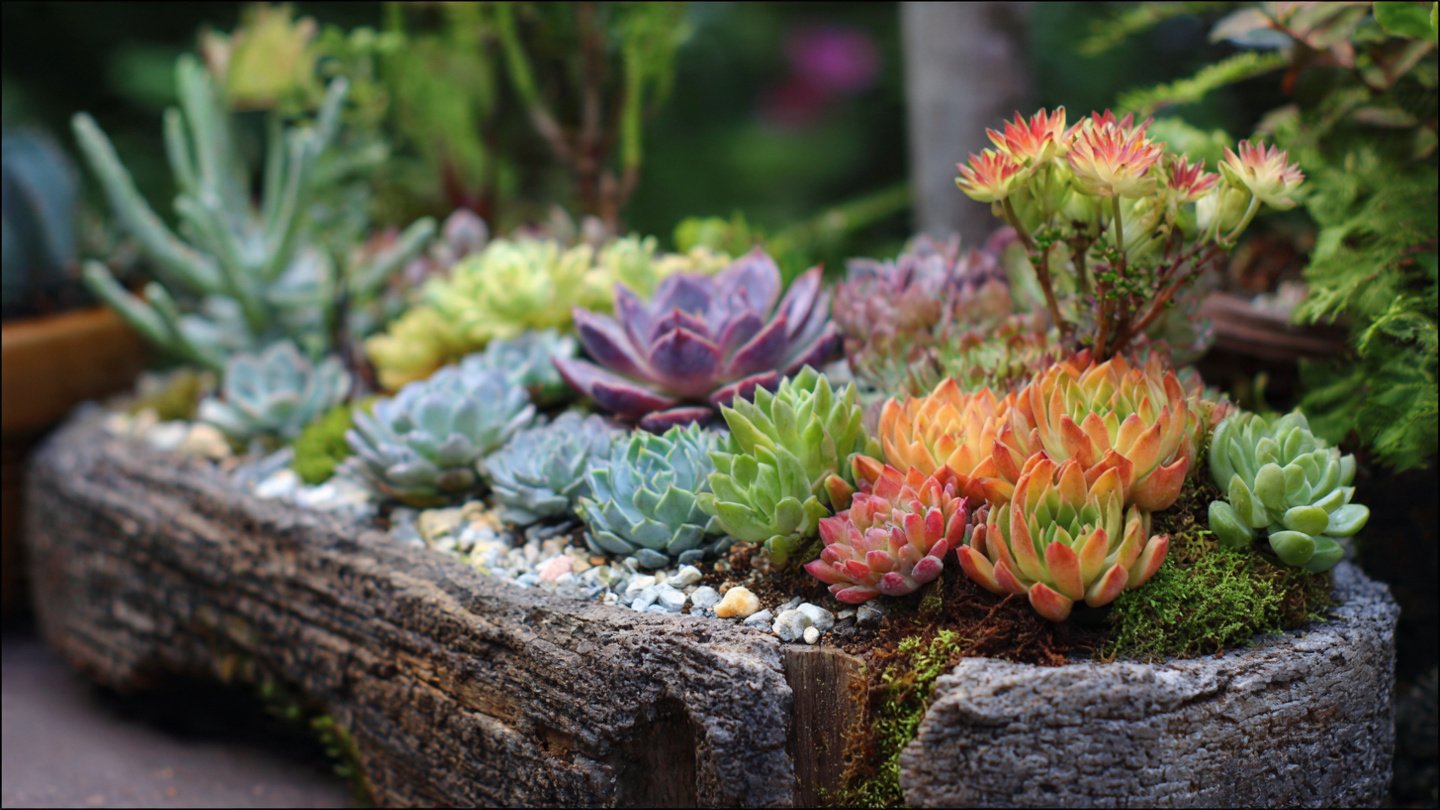

Succulents have taken the gardening world by storm, known for their unique shapes, vibrant colors, and minimal care requirements. These fascinating plants are not just for indoor pots; they can also transform outdoor spaces into stunning, diverse landscapes. This article explores effective techniques for creating and maintaining a beautiful mixed succulent landscape at home, ensuring your garden is both diverse and engaging.
Understanding Succulents: Types and Characteristics
Before diving into landscape techniques, it’s essential to understand what succulents are and the different types available. Succulents are plants that store water in their leaves, stems, or roots, making them well-suited for dry environments. Here are some common types of succulents:
- Aeonium: Known for their rosettes, these succulents can vary in color.
- Echeveria: Characterized by their rosette shape and beautiful colors.
- Sedum: These hardy plants come in various forms and sizes.
- Haworthia: Known for their toughness, they thrive in low-light conditions.
- Aloe: Besides beauty, some species like Aloe vera offer medicinal properties.
When choosing succulents for your landscape, consider their growth habits, colors, and sizes to create an eye-catching arrangement.
Site Selection and Preparation
1. Choose the Right Location
Succulents prefer well-drained soil and plenty of sunlight. When selecting a site:
- Sunlight: Ensure the area receives at least 6 hours of sunlight daily. South-facing spots are usually ideal.
- Protection from Harsh Elements: While succulents love sun, they also need some protection from extreme weather, like heavy rain or frost.
2. Soil Preparation
The right soil mix is crucial for succulent health. Standard potting soil retains too much moisture, which can lead to root rot. Instead, consider these options:
- Cactus Mix: Available in garden centers, specially formulated for succulents and cacti.
- Homemade Mix: Combine equal parts potting soil, coarse sand, and perlite or pumice to improve drainage.
Mix well and ensure your planting area has a slight slope for water runoff.
Designing Your Mixed Succulent Landscape
1. Pattern and Texture
Creating a beautiful landscape involves an understanding of design principles. Consider:
- Color Combinations: Use varying shades, from deep greens to vibrant reds and blues, to create visual interest.
- Height Variation: Mix taller succulents with shorter varieties to create depth. Taller plants like Aloe can serve as focal points.
- Textures: Combine different leaf shapes and sizes. For example, the smooth leaves of Echeveria contrast well with the spiky leaves of Agave.
2. Planting Techniques
When planting your succulents:
- Spacing: Give plants room to grow. Crowding can lead to competition for resources and poor air circulation.
- Layering: For raised areas, consider planting smaller varieties at the foreground and larger varieties in the background.
- Group Planting: Arrange succulents in clusters for a more natural look, resembling how they grow in the wild.
3. Incorporating Hardscape Elements
Adding hardscape elements like rocks, gravel, or decorative stones can enhance the beauty of your succulent landscape. Consider:
- Pathways: Use gravel or stones to create a path through your garden, leading visitors to different succulent displays.
- Borders: Edging with larger stones can help define areas and retain soil.
Caring for Your Succulent Landscape
1. Watering
Succulents require less water than traditional gardens. However, it’s essential to understand their specific needs:
- Watering Schedule: Water deeply but infrequently, allowing the soil to dry out between sessions.
- Seasonal Adjustments: Decrease watering during the plant’s dormancy period (usually winter) and increase during active growth (spring and summer).
2. Fertilization
Minimal fertilization is needed for succulents, but a diluted, balanced fertilizer can promote growth:
- Fertilize Sparingly: A light feeding during the growing season (spring and summer) can help.
- Organic Options: Consider using fish emulsion or seaweed extract as they are gentler on these plants.
3. Pruning and Maintenance
Over time, your landscape may need some maintenance:
- Remove Dead Leaves: Regularly cleaning up dead leaves can prevent pests and diseases.
- Repotting: If plants outgrow their space, consider repotting or dividing them to keep the landscape balanced.
Dealing with Pest and Disease Issues
While succulents are relatively resistant to pests, they can still experience issues. Common pests include aphids, mealybugs, and spider mites:
- Inspection: Regularly check plants for signs of infestation.
- Natural Remedies: Use neem oil or insecticidal soap to treat infestations.
- Preventing Diseases: Ensure proper drainage and avoid overhead watering to minimize fungal infections.
Seasonal Considerations
Adjust your care routine based on the season:
- Winter Care: Many succulents enter dormancy in the colder months. Reduce watering and bring potted varieties indoors to protect them from frost.
- Spring Awakening: As temperatures rise, resume more regular watering and watch for signs of new growth.
Inspirational Examples
Here are a few ideas to spark your creativity:
- Desert Oasis: Combine golden barrel cactus with vibrant Echeveria and low-lying Sedum among decorative rocks for a desert-inspired layout.
- Tropical Retreat: Use a mix of colorful succulents with lush foliage plants like bromeliads to create a tropical feel.
- Zen Garden: Incorporate succulents with raked gravel and select larger stones to create a serene, meditative space.
FAQs
1. How often should I water my succulents?
Water your succulents deeply but infrequently, about once every 1-2 weeks, depending on your climate and soil type.
2. Can succulents survive indoors?
Yes! Many succulents thrive indoors as long as they receive adequate light (about 6 hours of bright, indirect sunlight).
3. What should I do if my succulents are stretching?
If your succulents are stretching, they are likely not getting enough light. Move them to a sunnier location.
4. Can I mix different types of succulents together?
Absolutely! Mixing different types can create a visually stunning landscape, as long as they have similar water and light requirements.
5. Are there any succulents that don’t require much sunlight?
Yes, some succulents like Haworthia and Gasteria can tolerate lower light conditions, making them suitable for indoor environments.
6. How do I remove pests from my succulents?
Inspect your plants regularly and treat any infestations with neem oil or insecticidal soap.
7. Do succulents need fertilization?
While succulents don’t require much fertilizer, a diluted, balanced fertilizer can help promote healthy growth during the growing season.
8. How do I know if my succulent has root rot?
Signs of root rot include yellowing leaves, mushy stems, and a foul smell from the soil. If you suspect root rot, check the roots and remove any affected areas.
Conclusion
Creating a diverse mixed succulent landscape at home is a rewarding endeavor that allows for creativity and innovation. With the right selection, planning, and maintenance, your succulent garden can become a stunning oasis that thrives in both beauty and resilience. Enjoy the journey and the beauty these fantastic plants bring to your outdoor and indoor spaces alike!