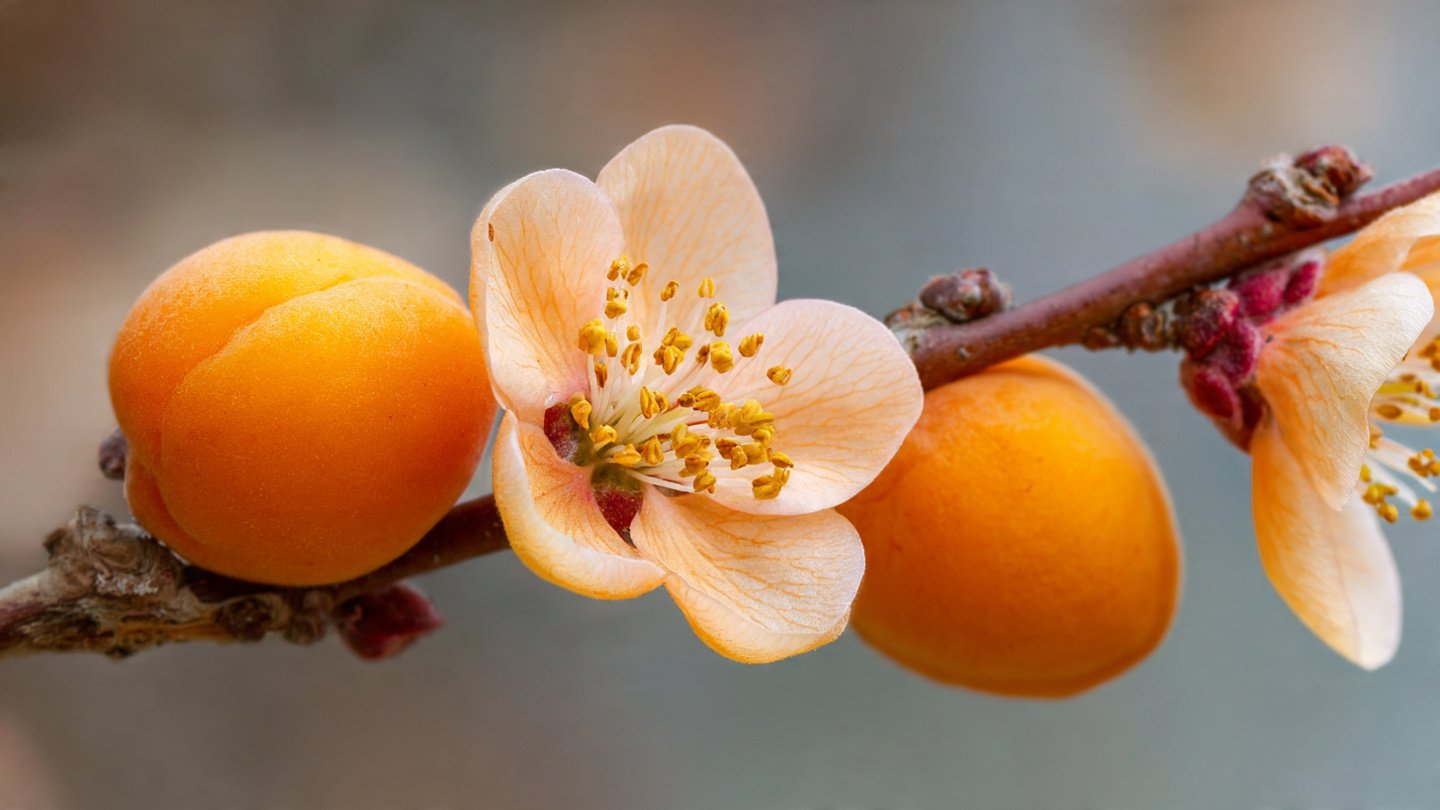

Growing apricots from pits can be a rewarding and delightful process for gardening enthusiasts and beginners alike. The sweet, succulent fruits of your labor make this endeavor worth the patience required. In this article, we’ll explore the step-by-step method to grow apricots from pits, ensuring a successful experience.
Understanding Apricot Trees
Apricots (Prunus armeniaca) thrive in temperate climates with well-drained soil, plenty of sunlight, and moderate moisture levels. They are typically grown in USDA Zones 5 to 9 but can be successfully cultivated in other zones with the right care. The fruit blooms in late spring and is usually ready for harvest in late summer.
Why Grow from Pits?
Growing apricots from pits allows you to:
-
Preserve Varietal Traits: If you plant from a pit of a specific variety, you may be able to replicate that same fruit.
-
Save Money: Rather than purchasing seedlings or young trees, growing from pits is a cost-effective way to cultivate your own apricot tree.
-
Educational Experience: It’s a great way to learn more about gardening and the life cycle of fruit trees.
Step-by-Step Guide to Growing Apricot from Pit
Step 1: Gather Your Materials
You will need:
- Fresh apricot pits (preferably from organic apricots)
- A jar of water
- Potting soil and a pot with drainage holes (for later)
- A plastic bag or paper towel
- A cool, dark location for stratification
Step 2: Extracting the Pit
-
Choose Ripe Apricots: Start with fresh, ripe apricots. Organic apricots tend to yield the best results, as they are more likely to produce true-to-type fruits without harmful chemicals.
-
Remove the Pit: Cut the apricot in half and carefully remove the pit. Rinse it under cool water to eliminate any residue from the fruit.
Step 3: Stratifying the Pit
Stratification is a process that mimics the natural winter conditions that apricot pits would experience in the wild.
-
Dry the Pits: Allow the pits to dry for a day or two in a cool, dark place. This will make it easier to remove the outer shell.
-
Soak in Water: Place the dried pits in a jar of water and let them soak for 24 hours. This helps to soften the outer shell and prepares them for planting.
-
Cold Stratification: After soaking, place the pits in a damp paper towel or a plastic bag and refrigerate them for about 6-8 weeks. This mimics the cold winter months and encourages germination.
Step 4: Preparing to Plant
After the stratification period, check the pits for any signs of germination. If they have cracks or splits, they are ready to be planted.
-
Choose a Pot: Select a pot with good drainage. A size of about 6-8 inches deep will work well.
-
Fill with Soil: Use well-draining potting soil. Mix in some compost to provide nutrients.
-
Planting the Pit: Plant the stratified pit about 1-2 inches deep in the soil, with the pointed end facing down. Water the soil lightly to ensure it’s moist but not soggy.
Step 5: Caring for Your Apricot Seedling
-
Location: Place the pot in a sunny location where it can receive at least 6 hours of direct sunlight daily. If you’re in a colder climate, consider using a grow light.
-
Watering: Keep the soil consistently moist, especially during the germination process. Avoid waterlogging, as apricot roots don’t like overly wet conditions.
-
Fertilizing: Once your seedling has grown a few inches tall and has a few sets of true leaves, you can begin to fertilize it every few weeks with a diluted, balanced fertilizer.
Step 6: Transplanting
Once your apricot seedling reaches around 6-12 inches in height and has a healthy root system, it’s time to transplant.
-
Choose a Location: Find a sunny spot in your yard with well-draining soil. Apricot trees thrive in full sun.
-
Planting: Dig a hole that is slightly bigger than the pot. Carefully remove the seedling from the pot and place it in the hole. Backfill with soil, firming it gently around the roots.
-
Watering: Water the new transplant thoroughly to help settle the soil around the roots.
Step 7: Maintenance and Care
-
Watering: Water the tree regularly, especially during dry spells. Young trees need consistent moisture to establish roots.
-
Pruning: Prune your apricot tree during late winter or early spring to encourage healthy growth and enhance fruit production.
-
Pest Control: Watch for pests like aphids and spider mites. Use organic sprays if infestations occur.
-
Mulching: Apply mulch around the base of the tree to retain moisture and suppress weeds.
Step 8: Patience
Apricot trees typically take 3 to 5 years to bear fruit. During this time, patient care will yield the best results.
Harvesting Apricots
Once your apricot tree produces fruit, it usually ripens in late summer. Look for fruit that is plump, slightly soft to the touch, and fragrant. Harvest by gently twisting the fruit from the branch.
Conclusion
Growing apricots from pits is a gratifying process that allows you to experience the joys of gardening and the satisfaction of producing your own fruit. With careful attention to the steps and patience, you can cultivate a thriving apricot tree in your own backyard.
FAQ Section
1. Can I grow apricots in pots?
Yes, apricots can be successfully grown in pots. Ensure you use a large pot with good drainage and regularly check soil moisture.
2. How long does it take for an apricot pit to germinate?
It typically takes 2 to 6 weeks for germination after planting the stratified pit.
3. Can I use any apricot pits to grow trees?
Not all apricot varieties are suited for home gardening. It’s best to use pits from organic, locally grown apricots.
4. Do apricot trees require pruning?
Yes, pruning is essential for healthy growth and optimal fruit production. It’s best to prune in late winter or early spring.
5. What types of soil are best for growing apricots?
Apricots prefer well-drained soil that’s rich in organic matter. Sandy loam is ideal but amend with compost if dealing with heavier soils.
6. Can I grow apricots indoors?
While it’s possible to grow apricot seedlings indoors, they will ultimately need to be moved outdoors to complete their lifecycle and produce fruit.
7. How do I know when apricots are ripe?
Look for those that are plump, slightly soft to the touch, and exhibit a sweet fragrance. Ripe apricots can be easily twisted off the branch.
By following these steps and keeping in mind the importance of patience and care, you’ll be on your way to growing your very own apricot tree from a pit! Enjoy the journey, and happy gardening!