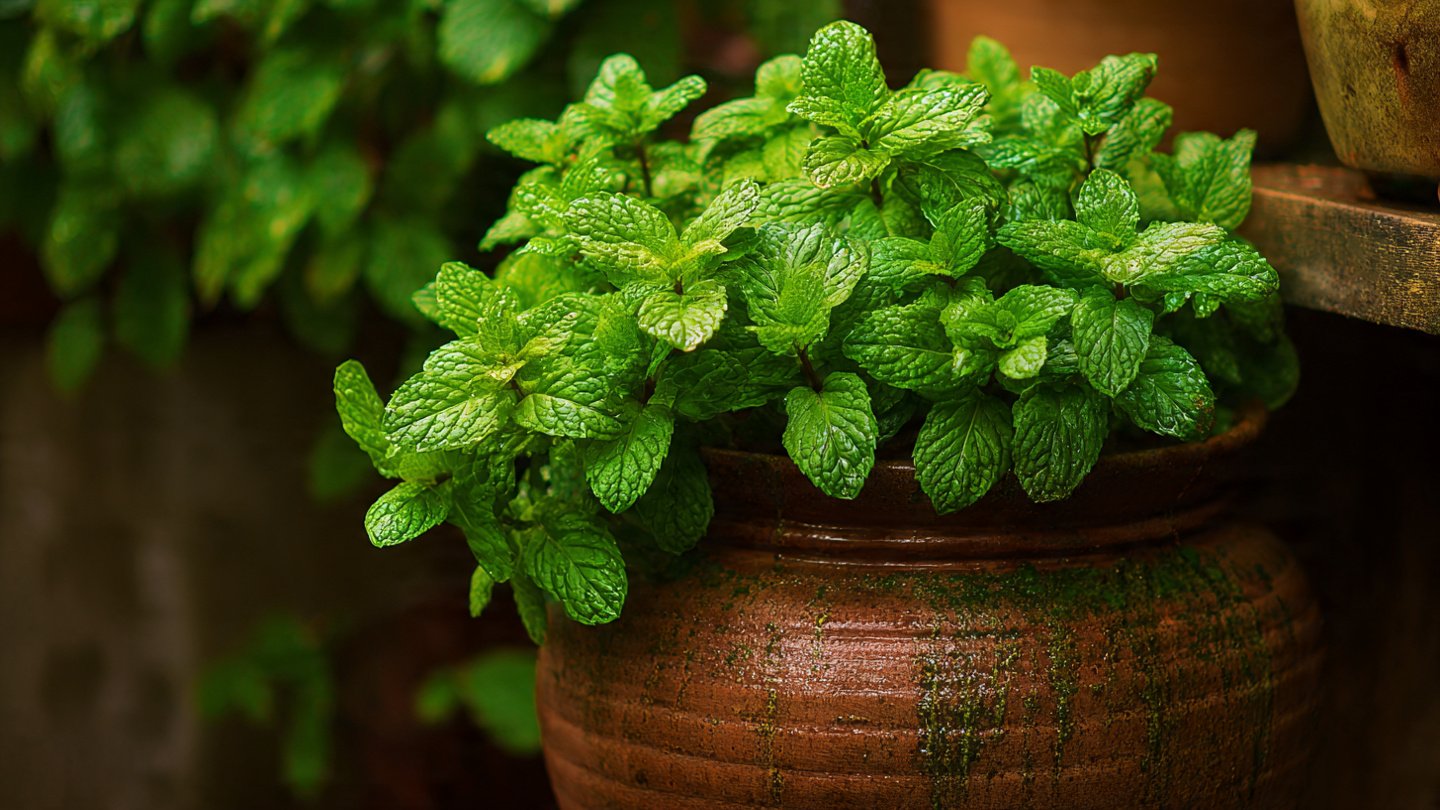

Apple mint (Mentha suaveolens), with its delightful aroma and vibrant green foliage, is a favorite among herb enthusiasts. Known for its sweet, fruity scent and unique flavor, apple mint can be a stellar addition to your herb garden, whether you’re a seasoned gardener or just starting out. This guide provides a comprehensive overview of how to successfully grow apple mint in pots, along with tips for care, harvesting, and frequently asked questions.
Why Grow Apple Mint?
Apple mint is not only visually appealing, but it’s also versatile. It can be used in cooking, teas, and even cocktails. The leaves have a mild, fruity flavor, making them a great addition to salads, desserts, or as garnishes. Furthermore, growing herbs in pots is a fantastic way to utilize small spaces, and apple mint adapts well to container life.
Selecting the Right Pot
Size
When choosing a pot for your apple mint plant, size matters. A pot that is at least 6-8 inches in diameter will allow the roots enough room to grow. If you plan to grow multiple plants, consider a larger container.
Material
While ceramic and terracotta pots are popular due to their aesthetics, plastic pots are also a viable option. Ensure the pot has drainage holes to prevent water from pooling at the bottom, which can lead to root rot.
Soil Requirements
Apple mint prefers well-draining soil that is rich in organic matter. A mixture of standard potting soil combined with compost is ideal. This blend enhances drainage while providing essential nutrients.
pH Level
The optimal pH for apple mint is slightly acidic to neutral (around 6.0 to 7.0). You can test the soil pH with a simple test kit available at garden centers.
Planting Apple Mint
Timing
The best times to plant apple mint are in spring after the last frost or in early fall. If you are planting seeds, start indoors 6-8 weeks before the last expected frost.
Seeds vs. Seedlings
You can begin apple mint from seeds or purchase small seedlings from a nursery. If starting from seeds, sprinkle them on the surface of the soil and lightly cover them. Keep the soil moist but not soggy.
Transplanting Seedlings
If you’re transplanting seedlings, dig a hole in the soil that is slightly larger than the root ball, place the plant in, and gently pack the soil around it. Water thoroughly to promote recovery from transplant shock.
Care for Apple Mint
Light Requirements
Apple mint thrives in partial shade to full sun. Ideally, aim for 4-6 hours of sunlight daily. If you’re growing indoors, a south-facing window is perfect.
Watering
Keep the soil consistently moist, especially during hot weather. However, avoid overwatering, as this can lead to root rot. A good rule of thumb is to water when the top inch of soil feels dry.
Fertilizing
You don’t need to over-fertilize apple mint; a balanced, slow-release fertilizer in the spring will suffice. Alternatively, adding compost during the growing season can provide necessary nutrients without the risk of over-fertilization.
Pruning
Regular pruning will help maintain the plant’s shape and promote bushier growth. Pinch back the tips of the plant after it reaches about 6 inches in height. This encourages new growth and prevents the plant from becoming leggy.
Dealing with Pests and Diseases
Apple mint is generally resistant to pests and diseases, but it can occasionally suffer from:
Common Pests
- Aphids: Small sap-sucking insects that can be treated with insecticidal soap.
- Spider Mites: May cause webbing on leaves; increase humidity and wash plants to manage them.
Diseases
- Powdery Mildew: Ensure sufficient air circulation and avoid overhead watering to prevent this fungal issue.
Harvesting Apple Mint
Timing
Harvesting can begin once the plant is well-established, typically when the leaves are fully developed. This usually occurs several weeks after planting.
Method
Always use clean scissors or shears to cut the stems about an inch above soil level. This practice promotes bushier growth. Regular harvesting can also improve the plant’s health and vigor, encouraging new growth.
Storage
Fresh apple mint can be stored in the refrigerator wrapped in a damp paper towel. It can also be dried for later use. Hang the stems upside down in a cool, dark place to dry them. Store the dried leaves in an airtight container away from sunlight.
Troubleshooting Common Issues
Growing apple mint in pots is generally straightforward, but challenges may arise:
Wilting Leaves
If your plant is wilting, check for overwatering or underwatering. Adjust your watering schedule accordingly.
Faded Leaves
Lack of sunlight can cause leaves to fade. Consider moving your plant to a sunnier location or supplementing with grow lights if indoors.
Yellowing Leaves
Yellow leaves could indicate nutrient deficiency or overwatering. Assess your care routine and make adjustments as necessary.
Tips for Success
- Companion Planting: Apple mint tends to thrive alongside other herbs like basil and parsley, which can enhance growth.
- Rotate Pots: If you have several pots, occasionally rotating them can ensure they receive even sunlight.
- Winter Care: If you live in a cooler climate, consider bringing your potted mint indoors during winter. Ensure it still receives sufficient light.
Conclusion
Growing apple mint in pots can be a rewarding experience for herbal enthusiasts. With the right care, you can enjoy a bountiful harvest of fragrant leaves for various culinary uses. Follow this guide to ensure a thriving apple mint plant that brings flavor and joy to your kitchen all year round.
FAQs about Growing Apple Mint in Pots
Q1: Can I grow apple mint indoors?
A1: Yes, apple mint can be grown indoors as long as it receives adequate sunlight. A south-facing window is ideal, or you can use grow lights.
Q2: How often should I water apple mint?
A2: Water when the top inch of soil feels dry. The goal is to keep the soil consistently moist, especially during hot weather.
Q3: Can apple mint survive winter?
A3: In colder climates, it’s best to bring the pots indoors during winter. Apple mint is a perennial, but excessive cold can damage it if left outside.
Q4: What culinary uses does apple mint have?
A4: Apple mint is delicious in salads, desserts, teas, and cocktails. Its mild flavor makes it a versatile addition to many dishes.
Q5: How can I prevent pests on my apple mint plants?
A5: Ensure good air circulation and inspect your plants regularly. Use insecticidal soap or neem oil for any infestations.
By following this guide, you will be well on your way to enjoying a healthy apple mint plant that enhances your cooking and gardening experience! Happy growing!