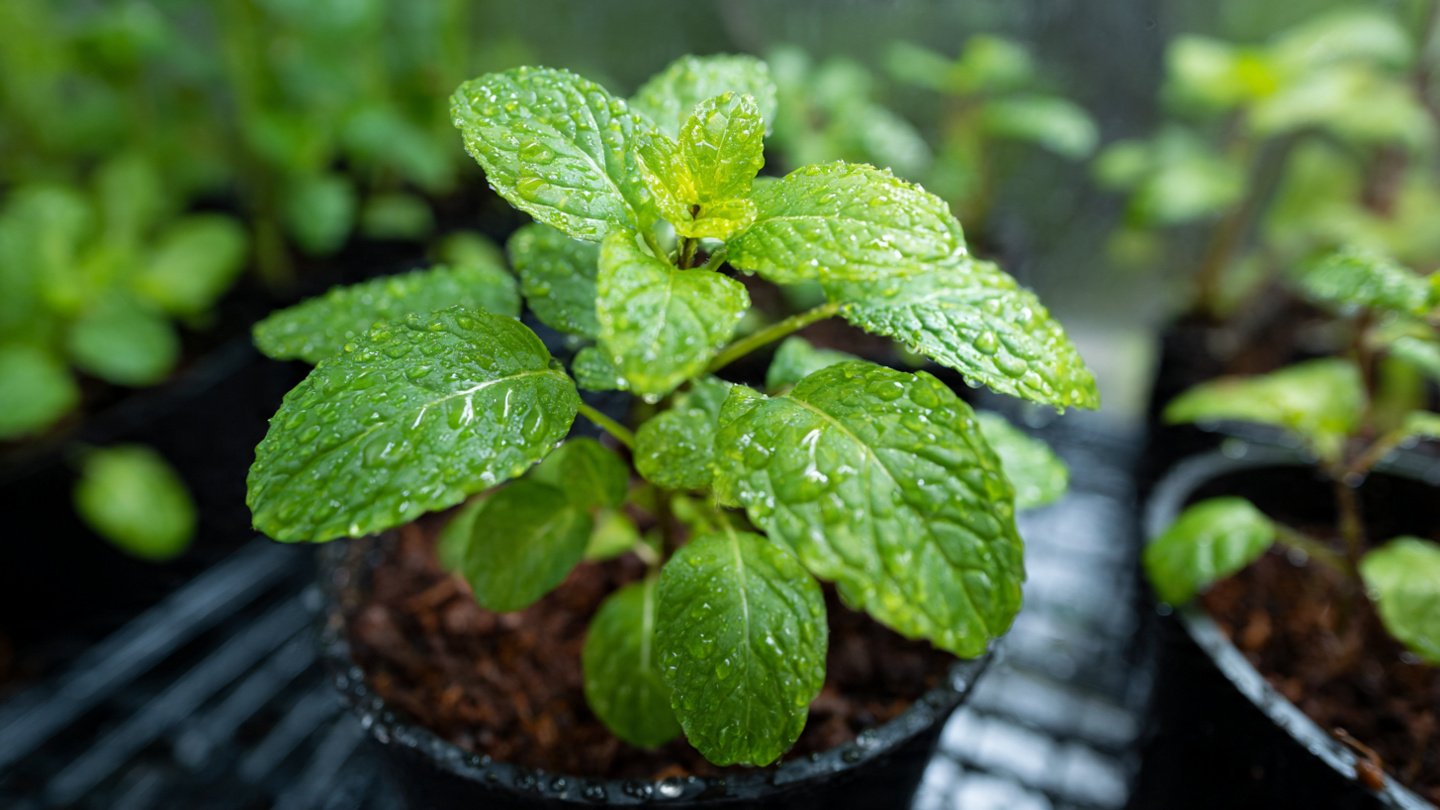

Mint (Mentha) is a versatile and aromatic herb beloved in kitchens and gardens alike. Its fresh aroma and flavor make it a favorite for teas, cocktails, and culinary creations. However, while mint is relatively easy to grow, it’s not without its challenges. One of the primary concerns for mint growers is root rot, a condition that can devastate plants. In this article, we’ll explore the most effective techniques for growing mint plants, focusing on practices that prevent root rot.
Understanding Mint Plants
Mint belongs to the Lamiaceae family and comprises various species, with spearmint (Mentha spicata) and peppermint (Mentha × piperita) being the most common. It thrives in a variety of environments but prefers a moderate climate with partial shade and rich, moist soil.
Mint is a perennial herb, meaning it will grow back year after year if conditions are right. However, because of its aggressive growth habit, planting mint in the ground can lead to it taking over your garden. Many gardeners choose to plant mint in containers or raised beds to manage its spread.
Symptoms of Root Rot
Root rot is primarily caused by overwatering and poor drainage. The symptoms include:
- Wilting or drooping leaves
- Yellowing of the leaves
- A foul smell emanating from the soil
- Dark, mushy roots
If you notice these symptoms, immediate action is necessary to save your mint.
Best Techniques for Growing Mint while Preventing Root Rot
1. Choose the Right Soil
Mint prefers well-draining soil rich in organic matter. A potting mix that contains peat, perlite, and compost is ideal. To create your own mix:
- Combine two parts potting soil, one part perlite, and one part compost.
- This mixture ensures good drainage while providing nutrients.
2. Container Selection
Using containers can significantly reduce the risk of root rot. When selecting a container:
- Drainage Holes: Ensure the pot has adequate drainage holes at the bottom.
- Material: Terracotta pots are beneficial as they are porous and can help wick moisture away from the roots.
- Size: Choose a container that offers sufficient space for roots to grow but not too large that it holds excess water.
3. Watering Wisely
Overwatering is a significant cause of root rot, so it’s crucial to get your watering routine right:
- Frequency: Water mint when the top inch of soil feels dry. In warmer months, this may be every few days, while in cooler months, it can be less frequent.
- Check Soil Moisture: Use your finger to check soil moisture levels before watering. If the soil feels damp, hold off on watering.
- Watering Techniques: Avoid watering from above; instead, water at the base of the plant. This method reduces the risk of water pooling around the stems, which can promote disease.
4. Proper Drainage Techniques
Good drainage is essential to prevent water from accumulating at the base of your mint plant:
- Plant Elevation: If you’re growing mint in the ground, consider mounding the soil or planting in raised beds. This technique helps water drain away from the roots.
- Role of Sand and Gravel: If the soil is heavy or clay-like, mix in coarse sand or gravel to enhance drainage.
- Use Drainage Trays: If your mint is in a pot, use a drainage tray to catch excess water, but ensure the pot doesn’t sit in standing water.
5. Mulching
Mulching around your mint plants can help retain moisture while preventing weeds. Here’s how to do it:
- Types of Mulch: Organic mulches like straw, wood chips, or shredded leaves work well as they break down and enrich the soil.
- Layering the Mulch: Apply a 2-3 inch layer of mulch around your mint plants but keep it a couple of inches away from the stems to prevent moisture buildup.
6. Sunlight Exposure
While mint tolerates partial shade, too little light can weaken the plants:
- Location: Choose a spot that gets at least 4-6 hours of sunlight daily.
- Avoid Heat Stress: If growing mint in a hot climate, provide some afternoon shade to prevent heat stress, which can lead to increased susceptibility to root rot.
7. Fertilization
Mint is a relatively low-maintenance plant, but it does benefit from occasional feeding:
- Organic Fertilizers: Use organic fertilizers like fish emulsion or seaweed extract once every 4-6 weeks during the growing season.
- Avoid Over-Fertilizing: Excess fertilizer can cause rapid growth, leading to weak roots that are more susceptible to rot.
8. Pest and Disease Management
Healthy mint plants are less likely to suffer from pests and diseases:
- Regular Inspections: Check your mint regularly for signs of pests such as aphids, spider mites, and mealybugs.
- Natural Remedies: If pests are detected, use insecticidal soap or neem oil as a natural treatment.
- Remove Affected Parts: Prune off any diseased leaves or stems to minimize the spread of infections.
9. Crop Rotation
If you’re growing mint in a garden bed, practice crop rotation to prevent diseases:
- Rotate Other Crops: Each growing season, plant mint in a different location to prevent soil-borne diseases from accumulating.
- Resting Period: Allow the bed to rest or plant a non-related crop for a season to help break the cycle of disease and pests.
10. Timing and Planting Techniques
Proper planting techniques can also help in preventing root rot:
- When to Plant: The best time to plant mint is in spring after the last frost, or in early fall.
- Spacing: Even if planting in containers, don’t overcrowd your mint. Give each plant sufficient space (about 12-18 inches apart) to allow proper airflow.
Troubleshooting Root Rot
If your mint plant shows signs of root rot, act quickly:
- Remove the Plant: Gently take the plant out of its pot or garden bed.
- Inspect the Roots: Look for black, mushy roots; cut away any affected parts with sterile scissors.
- Repotting: Replant in fresh, well-draining soil, ensuring the new container has drainage holes.
- Water Sparingly: After repotting, water sparingly until the plant shows signs of recovery.
Conclusion
Growing mint can be a rewarding endeavor when done correctly. By following the techniques outlined in this article—choosing the right soil, practicing proper watering, improving drainage, and managing pests—you can cultivate healthy mint plants while preventing root rot. With a little care and attention, you’ll enjoy a flourishing mint crop that will enhance your culinary adventures for years to come.
FAQs
Q1: How often should I water my mint plants?
A: Water your mint when the top inch of the soil feels dry. In warmer months, this may be every few days, while you may need to water less frequently in cooler months.
Q2: Can I grow mint indoors?
A: Yes, mint can thrive indoors. Make sure to provide enough sunlight, ideally around 4-6 hours a day, and use a well-draining potting mixture.
Q3: What is the best way to propagate mint?
A: The easiest way to propagate mint is through cuttings. Cut a healthy stem right above a node, place it in water until roots develop (about 1-2 weeks), then plant it in soil.
Q4: How can I tell if my mint plant has root rot?
A: Look for wilting leaves, yellowing foliage, and a foul smell from the soil. Also, inspect the roots; if they are dark and mushy, it’s likely root rot.
Q5: Is mint invasive?
A: Mint can be invasive if planted directly in the ground. It’s best to grow it in containers or use barriers to keep it contained in your garden.
Q6: Can I use chemical fertilizers for mint?
A: While you can use chemical fertilizers, organic options are often better as they provide slow-release nutrients and contribute to soil health.
By implementing these techniques and managing your mint plants diligently, you can maximize growth while effectively preventing root rot, ensuring a robust and healthy mint yield for your culinary delights.