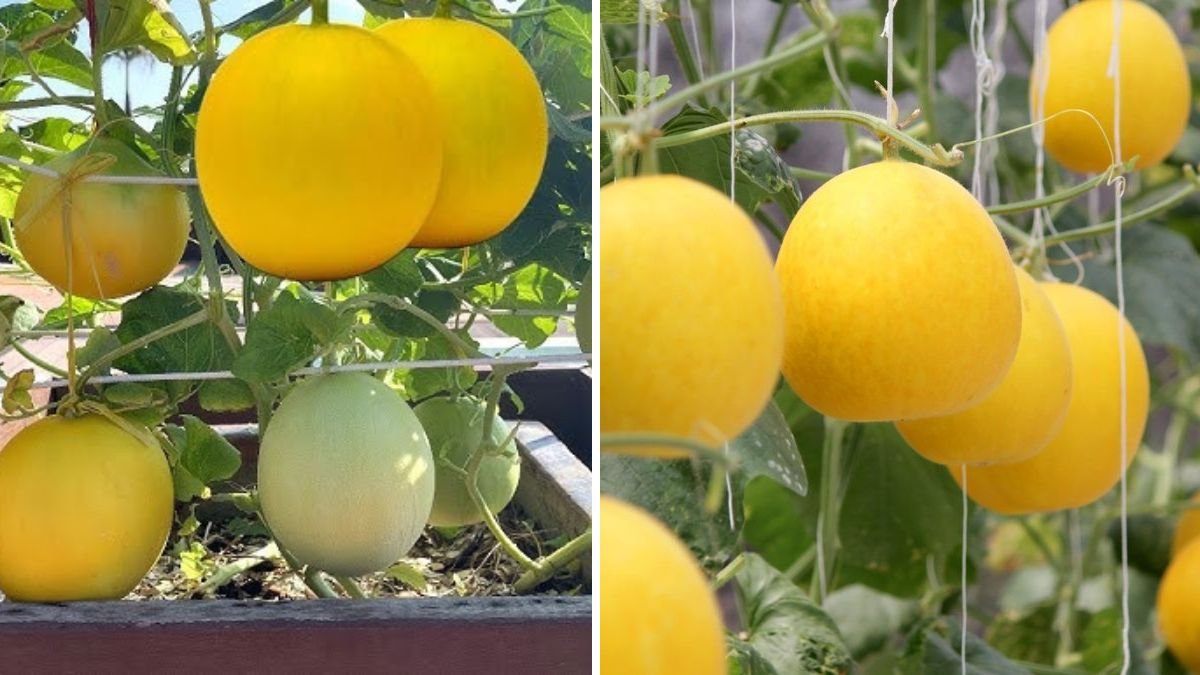

Growing melons at home might seem like a task meant only for experienced gardeners, but the truth is—melons are surprisingly easy to cultivate when you understand their basic needs. Whether you want to grow cantaloupes, muskmelons, honeydew, or small watermelons, the process is simple, enjoyable, and incredibly rewarding. With the right soil, sunlight, water, and support, you can enjoy fresh, sweet melons right from your garden, balcony, or terrace.
This detailed guide walks you through every step—from choosing the right variety to planting, caring, and harvesting your melons—so even a beginner can grow delicious fruits with confidence.
🍈 Why Growing Melons at Home Is Easier Than You Think
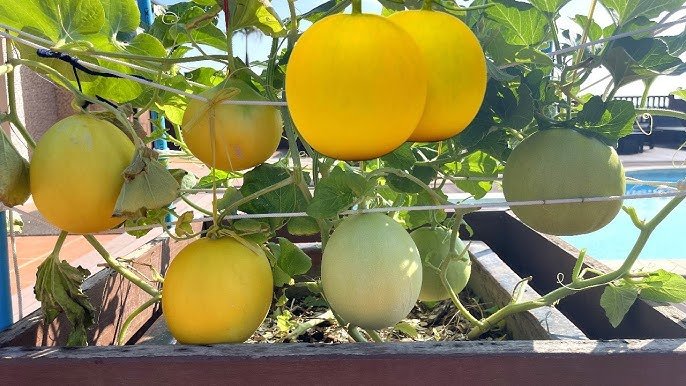
Melons are vigorous, fast-growing plants that thrive in warm weather. Their long vines, beautiful yellow flowers, and fragrant fruits make them a delightful addition to any home garden. But what truly makes melons easy to grow is their simple list of requirements:
- Warm temperatures
- Plenty of sunlight
- Well-draining soil
- Adequate space for vines
- Consistent watering
Give them these, and melons will grow rapidly, producing healthy fruits with minimal problems.
🌞 Choosing the Right Melon Variety
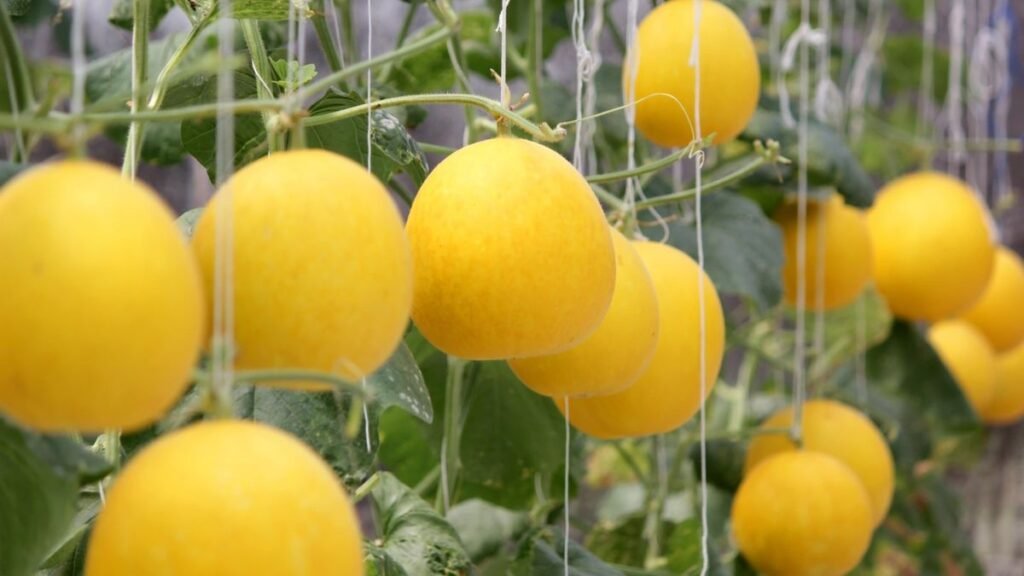
Some melon varieties grow better in containers or small spaces, while others need more room. Here are the easiest types to grow at home:
1. Muskmelon (Cantaloupe)
- Sweet, aromatic flesh
- Fast-growing
- Perfect for warm climates
2. Honeydew Melon
- Firm, light-green flesh
- Very juicy and sweet
- Needs slightly more heat
3. Mini Watermelons
- Ideal for containers
- Small, 1–3 kg fruits
- Quick to mature
4. Indian Muskmelon (Kharbuja)
- Excellent for tropical climates
- Very easy for beginners
If growing in pots or limited space, choose mini varieties or bush-type melons.
🪴 Best Place to Grow Melons
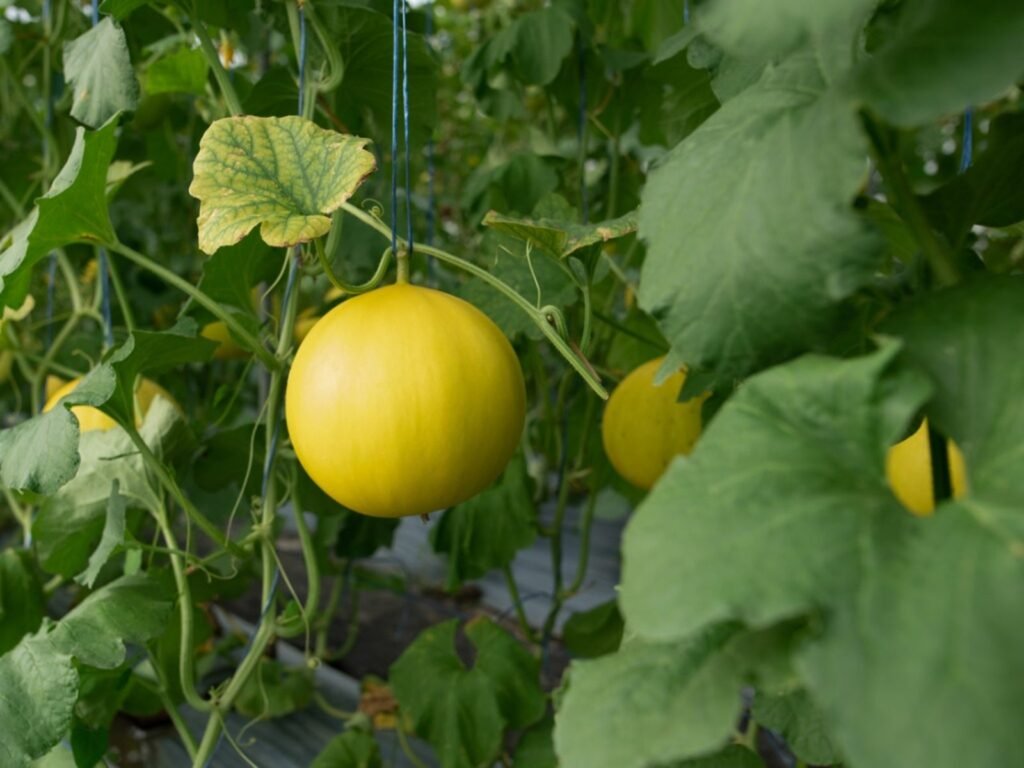
Melons thrive in:
- Garden beds
- Large containers
- Grow bags (30–40 liters)
- Raised beds
- Terrace gardens
🌤 Sunlight Requirement
Melons need 6–8 hours of strong, direct sunlight every day.
More sunlight = sweeter fruits.
🌱 Preparing the Perfect Soil Mix
Melons grow best in loose, fertile, well-draining soil. A rich organic mix helps the vines grow fast and produce sweet fruits.
Ideal Soil Mix for Pots/Grow Bags:
- 40% garden soil
- 30% compost or cow manure
- 20% coco peat
- 10% sand or perlite
Add:
- 1 tbsp bone meal (boosts flowering and fruiting)
- 1 tbsp neem cake (prevents soil pests)
- A handful of wood ash (rich in potassium)
Melons love potassium—the key nutrient for sweetness.
🌱 How to Plant Melon Seeds
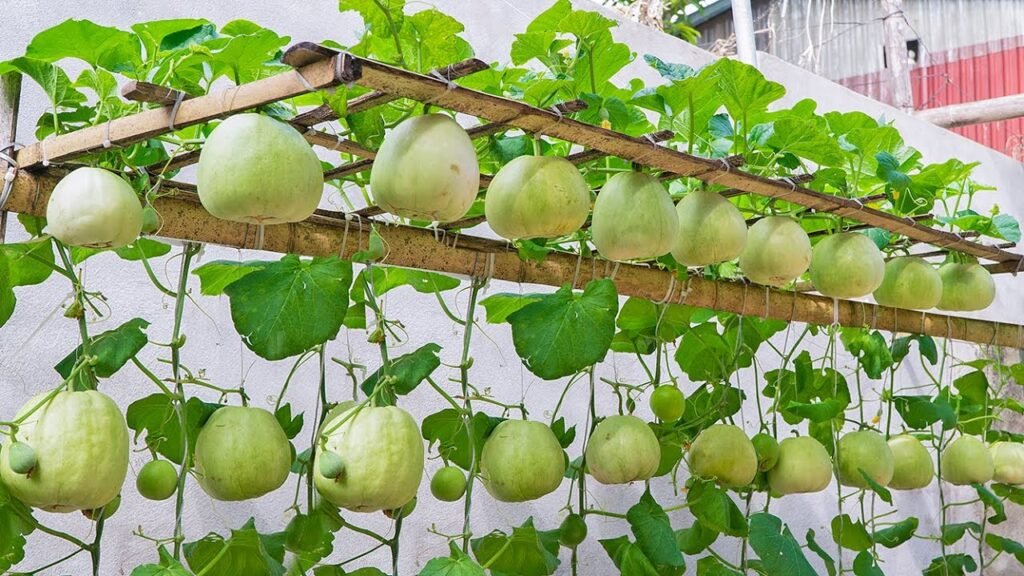
Growing melons from seeds is very easy.
1. Choose Quality Seeds
Pick fresh, disease-free seeds for higher germination.
2. Start Seeds in Small Pots or Directly in Soil
- Seeds germinate in 5–7 days.
- Transplant when seedlings have 3–4 true leaves.
3. Proper Spacing
If planting in soil:
- Keep 2–3 feet between plants.
If planting in pots:
- One melon plant per pot/grow bag.
4. Planting Depth
- Make a 1-inch deep hole.
- Place the seed.
- Cover lightly with soil.
- Water gently.
💧 Watering Melons: Simple but Important
Watering correctly is one of the easiest ways to ensure your melons grow well.
Watering Tips
- Water deeply, allowing moisture to reach the roots.
- Keep soil moist but not waterlogged.
- Water every day during hot summer.
- During fruiting, reduce watering slightly to increase sweetness.
Avoid watering on the leaves to prevent fungal diseases.
🌿 Feeding Your Melon Plants for Heavy Fruit Growth
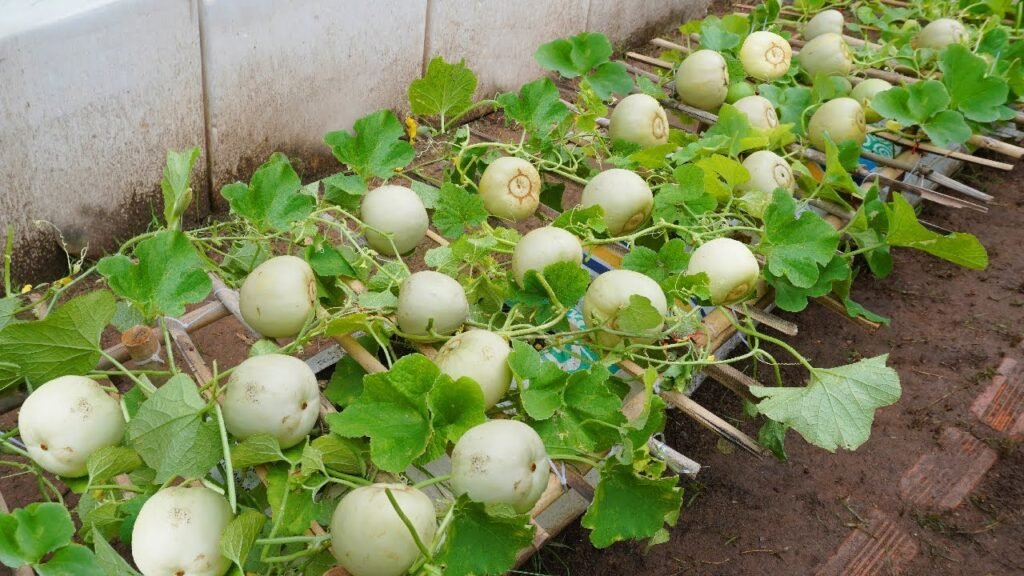
Melons are heavy feeders, especially during fruit formation. Here’s a simple fertilizer plan:
At Planting:
- Compost or cow manure
- Bone meal
- Neem cake
Every 15 Days:
Use any of the following:
- Vermicompost
- Seaweed extract
- Banana peel tea
- Compost tea
During Flowering and Fruiting:
Increase potassium:
- Wood ash
- Banana peel powder
- NPK 0-52-34 (optional)
Potassium improves:
- Fruit sweetness
- Aroma
- Size
- Color
Avoid too much nitrogen—it creates more leaves but fewer fruits.
🌼 Supporting and Training the Vines
Melon vines spread widely, but you can train them for better growth.
If Growing on Ground:
- Let vines spread naturally.
- Use mulch (dry leaves/straw) to protect fruits from soil moisture.
If Growing in Pots:
Use:
- A trellis
- Bamboo sticks
- Netting
- Vertical frames
Support the Fruits
When fruits grow on trellis:
- Use cloth slings or nets to hold the growing melons.
- This prevents vines from breaking.
🌸 Pollination: The Secret to Good Harvests
Melons produce male and female flowers. For fruit to grow, pollination is essential.
How to Ensure Pollination
- Attract bees using marigold or basil nearby.
- Avoid pesticide use during mornings.
Hand Pollination (If Needed)
- Pick a male flower.
- Remove the petals.
- Dab the pollen onto the center of the female flower.
Female flowers have a tiny fruit behind them—easy to spot!
🛡 Common Melon Problems and Easy Solutions
1. Powdery Mildew
White powdery spots on leaves
Solution:
- Neem oil spray
- Baking soda spray (1 tsp in 1L water)
2. Fruit Rot
Occurs when fruits sit on wet soil
Solution:
- Use straw mulch
- Place fruits on tiles or a small board
3. Small Fruits
Caused by nutrient deficiency
Solution:
- Add more potassium
- Reduce nitrogen
- Ensure good sunlight
4. Poor Pollination
Few fruits forming
Solution:
- Hand pollinate
- Attract bees
🍈 Harvesting Your Homegrown Melons
The sweetest part—harvesting!
Signs Your Melon Is Ready:
- Strong, sweet fragrance
- Skin color shifts (yellowish/tan for muskmelon)
- Fruit slips off easily when lifted
- Drying tendril near the stem
- Hollow sound when tapped (for watermelon)
Don’t harvest too early—melons get their best sweetness only when fully ripe.
🍉 Enjoying Fresh, Homegrown Melons
Homegrown melons taste incredibly fresh and sweet compared to store-bought fruits. You can enjoy them:
- As fresh slices
- In fruit salads
- In smoothies
- As chilled melon juice
- In desserts
- As healthy snacks
Once you grow your first melon, you’ll want to plant more every season.
🌟 Final Thoughts
Growing melons at home is not only easy but also highly rewarding. With just sunlight, fertile soil, consistent watering, and basic care, your plants will reward you with delicious, juicy fruits bursting with natural sweetness.
Whether you grow them on the ground, in containers, or on a trellis—melons adapt beautifully and deliver an amazing harvest. Start with just one plant, follow these simple steps, and enjoy the satisfaction of cutting open your own homegrown melon this season!