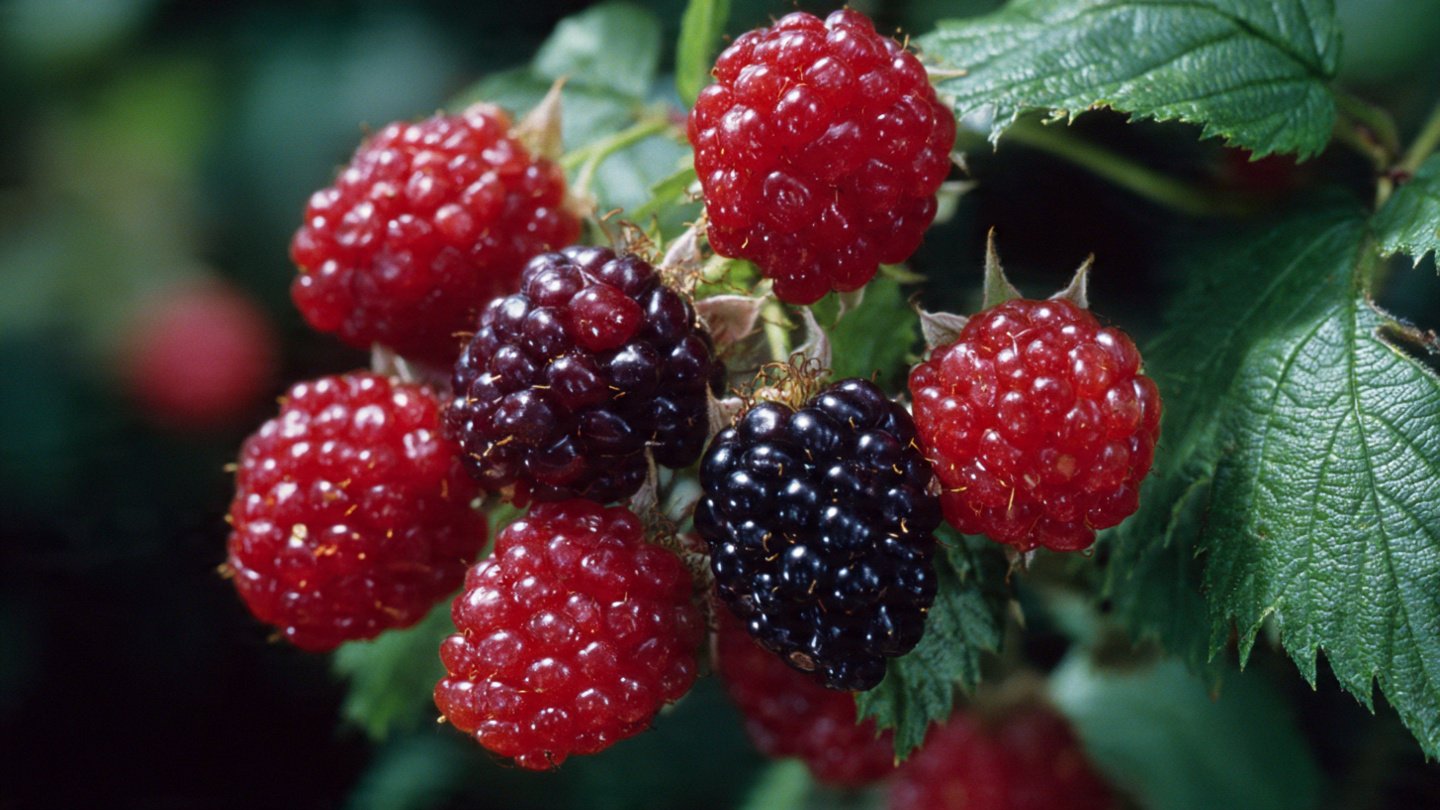

Boysenberries, a delightful cross between blackberries, raspberries, and loganberries, are prized not only for their sweet and tangy flavor but also for their versatility in culinary applications. Cultivating your own boysenberry plants at home can be a rewarding experience whether you’re an experienced gardener or a novice. In this guide, we will cover everything from choosing the right location, soil preparation, planting techniques, care, pest management, and harvesting.
Understanding Boysenberries
What Are Boysenberries?
Boysenberries are large, juicy fruits known for their sweet-tart flavor. The plant is a thorny vine that typically grows between 6 to 10 feet in length. Native to California, these berries thrive in a warm climate and are usually ready for harvest mid-summer to early fall.
Benefits of Growing Boysenberries
- Flavor: Fresh boysenberries offer a burst of flavor that can elevate any dish.
- Nutritional Value: These berries are rich in vitamins, antioxidants, and dietary fiber.
- Versatility: Boysenberries can be used in pies, jams, smoothies, or enjoyed fresh.
- Gardening Satisfaction: Growing your own berries can be immensely satisfying and beneficial to mental health.
Choosing the Right Location
Climate Requirements
Boysenberries thrive in USDA zones 5 to 10, meaning they can grow in areas with mild winters and warm summers. Ideally, they require a well-drained location that receives full sun for at least 6 to 8 hours a day.
Soil Conditions
Boysenberries prefer sandy loam or well-draining soil with a pH level between 5.5 and 7.0. Conduct a soil test to determine the pH and nutrient levels before planting.
Soil Preparation
Enhancing Soil Quality
To enhance your soil:
- Amend with Compost: Mix in 2 to 4 inches of compost to improve drainage and nutrient levels.
- Add Organic Matter: Incorporating aged manure can enrich the soil further.
- Test the pH: Adjust the pH as necessary using lime (to raise pH) or sulfur (to lower pH).
Drainage
Ensure the planting area has good drainage to prevent root rot. If your soil is heavy clay, consider building raised beds.
Planting Boysenberries
When to Plant
The best time to plant boysenberry plants is in early spring, after the last frost date. In warmer climates, you can also consider fall planting.
Selecting Plants
Look for healthy, disease-free plants, preferably bare-root stock. Local nurseries often have varieties that are well-suited for your area.
Spacing and Arrangement
When planting, space the plants 3 to 4 feet apart in rows that are 8 to 10 feet apart to allow for proper air circulation.
Steps for Planting
- Digging the Hole: Dig a hole that is twice the size of the root ball.
- Planting: Position the plant so that the crown is level with the soil surface. Gently backfill with soil, ensuring there are no air pockets.
- Watering: Water thoroughly after planting to help settle the soil.
Caring for Boysenberry Plants
Water Requirements
Boysenberries need consistent moisture, particularly during the growing season. Irrigate weekly, ensuring the soil is moist but not waterlogged. A drip irrigation system can be beneficial.
Fertilization
Fertilize your plants during the early growing season with a balanced fertilizer. A formulation such as 10-10-10 or an organic option can provide essential nutrients.
Mulching
Applying a layer of mulch (straw or wood chips) around the base of the plants can help retain moisture, suppress weeds, and maintain a consistent soil temperature.
Pruning
Pruning is crucial for maintaining healthy growth and encouraging fruit production. Prune dead or weak canes in early spring before new growth begins, and remove last year’s fruiting canes after harvest.
Pest and Disease Management
Common Pests
- Spider Mites: These tiny pests can cause leaf discoloration. Control them with insecticidal soap or neem oil.
- Thornless Wonder Weevels: They can damage the roots. Crop rotation and maintaining healthy soil can help prevent infestations.
- Fruit Flies: These flies can ruin your harvest. Use traps or organic pesticides to manage.
Common Diseases
- Powdery Mildew: This fungal disease manifests as white powder on leaves. Ensure good air circulation and apply fungicide if necessary.
- Botrytis Blight: This can affect ripening fruit. Remove infected berries and practice good sanitation.
Harvesting Boysenberries
When to Harvest
Boysenberries are typically ready to harvest 3 to 4 weeks after blossoming. Look for plump, dark purple fruits that easily detach from the stem when gently pulled.
Harvesting Techniques
- Timing: Harvest in the morning when temperatures are cooler for the best flavor.
- Gentle Handling: Use care to avoid crushing the berries, as they are delicate.
- Storage: Fresh boysenberries can be stored in the refrigerator for about a week.
Post-Harvest Care
Handling and Storage
After harvesting, promptly refrigerate your berries. Avoid washing them until you’re ready to use them to prevent spoilage.
Preservation Methods
Consider preserving your bounty by making jams, jellies, or freezing for later use.
FAQs
1. How long does it take for boysenberries to bear fruit?
Boysenberries usually take about 1 to 2 years after planting to produce fruit.
2. Do boysenberry plants need a trellis?
Yes, boysenberries are vining plants that benefit from trellising. This promotes better air circulation and easier harvesting.
3. Can I grow boysenberries in containers?
Yes, boysenberries can be grown in large containers, but make sure to choose a dwarf variety and provide adequate support.
4. What other plants grow well with boysenberries?
Consider companion planting with other berries like blueberries and strawberries, or herbs like basil and mint, which can help deter pests.
5. How do I propagate boysenberry plants?
Boysenberries can be propagated through cuttings taken in late winter or by layering, where a low-growing cane is buried in soil to root.
6. How often should I water my boysenberry plants?
Generally, boysenberries require about 1 inch of water per week, but adjust based on your specific climate and soil conditions.
7. Are boysenberries invasive?
No, boysenberries are not typically considered invasive, but they can spread if not contained properly. Regular pruning helps manage growth.
8. What pests should I be concerned about?
Common pests include spider mites, fruit flies, and aphids. Regular monitoring can help catch infestations early.
Conclusion
Cultivating boysenberries at home can be an enjoyable and fruitful endeavor. With the right care, you can enjoy these delicious berries fresh from your garden year after year. From selecting the right variety to understanding their growth needs and managing pests, this comprehensive guide provides all the information necessary to ensure a successful harvest. Happy gardening!