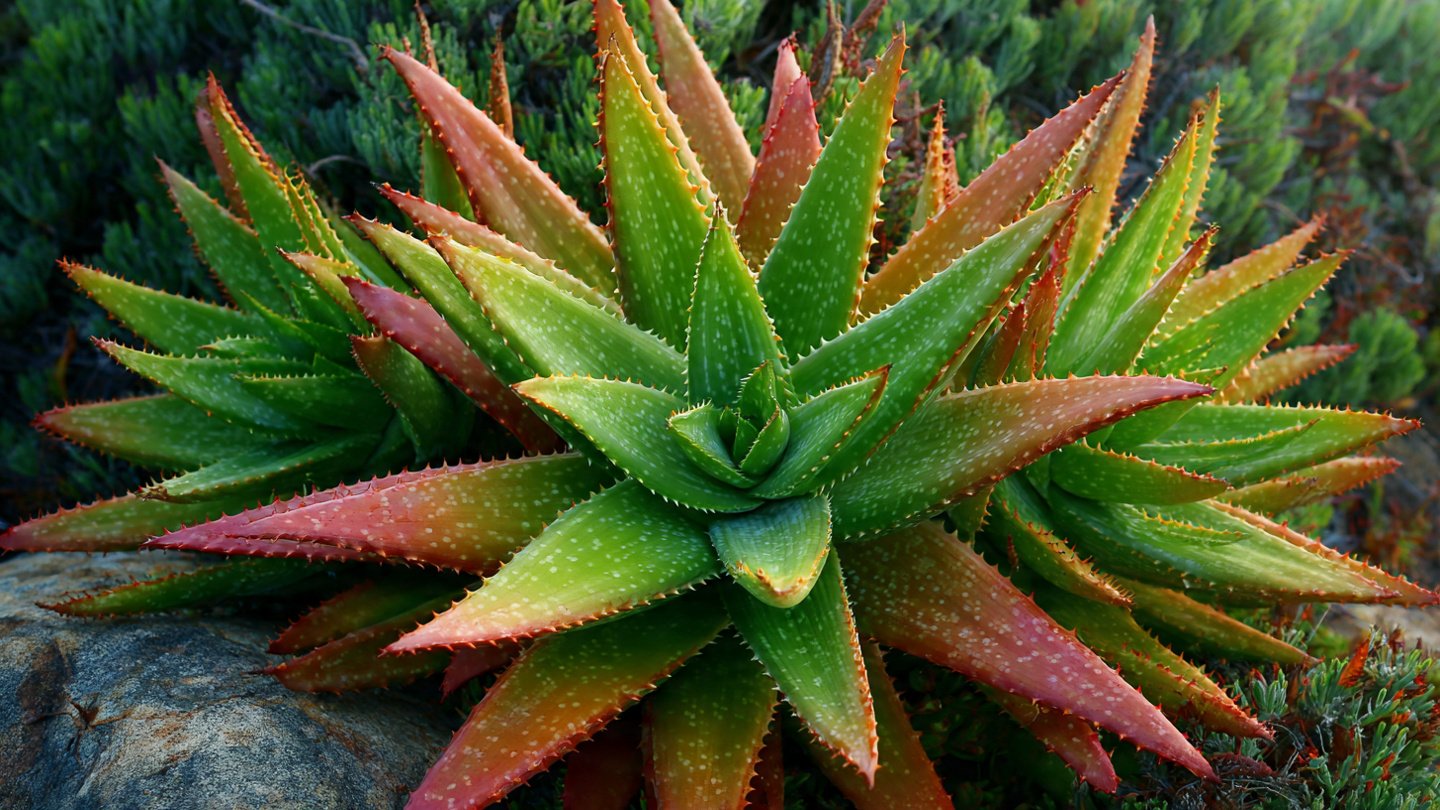

Aloe plants, known for their thick, fleshy leaves and drought-resistant nature, are beloved for both their aesthetic appeal and health benefits. As succulent perennials, aloes thrive in a variety of climates, making them a perfect addition to garden beds. Whether you want to grow Aloe vera for its medicinal properties or simply enjoy the vibrant green of aloe shrubs, the following techniques will ensure your success in cultivating these stunning plants.
Understanding Aloe Plants
Before diving into the best techniques to grow aloe, it’s essential to understand what aloes need to flourish. While there are over 500 species of aloe, the most widely recognized is Aloe vera. Most aloe plants thrive in warm, dry climates and prefer well-draining soil.
Key Benefits of Aloe Plants
- Medicinal Properties: Aloe vera gel is renowned for its soothing effects on the skin, helping with burns, cuts, and other minor ailments.
- Air Purification: Aloe plants can help purify indoor air, absorbing toxins and releasing oxygen.
- Low Maintenance: They require minimal care, making them perfect for beginner gardeners.
Preparing Your Garden Bed
Choose the Right Location
Aloe plants thrive in locations that receive full sunlight for at least 6 hours a day. Choose a spot in your garden that provides ample sunlight and has good airflow. Avoid shaded areas, as insufficient light can lead to leggy growth and decreased vigor.
Soil Selection
Aloe prefers well-draining soil. Ideally, you should mix 2 parts potting soil, 1 part sand, and 1 part perlite to create a suitable growing medium. This mix ensures that water drains effectively, preventing root rot.
Bed Preparation
Before planting, prepare your garden bed by:
- Clearing Weeds: Remove any weeds or grass to reduce competition for nutrients.
- Tilling the Soil: Use a garden fork or tiller to aerate the soil, mixing in the well-draining soil mixture.
- Adding Compost: Incorporate organic compost to enhance nutrient content and promote healthy growth.
Planting Aloe Shrubs
Choosing Your Aloe Plants
When selecting aloe plants, ensure they are healthy and free from pests. If you’re starting with seeds or seedlings, consider using Aloe vera for its versatility and popularity.
How to Plant Aloe
- Digging the Hole: Dig a hole that is about twice the size of the root ball of your aloe plant.
- Positioning the Plant: Place the aloe plant into the hole, ensuring the top of the root ball is level with the surrounding soil.
- Backfilling the Hole: Carefully backfill the hole with the prepared soil mixture, gently pressing to eliminate air pockets.
- Watering: After planting, give the aloe a light watering. Ensure that excess water drains away.
Spacing
Aloe plants can grow wide, so ensure to space them adequately, usually around 2-3 feet apart, depending on the variety you plant.
Caring for Your Aloe Shrubs
Watering Techniques
Aloe plants are succulents and store water in their leaves, which makes them drought-resistant. A common mistake is overwatering them.
Watering Tips:
- Frequency: Water every 2-3 weeks during the growing season (spring and summer). Allow the soil to dry completely between waterings.
- Signs of Overwatering: Yellowing leaves and a mushy texture indicate excessive moisture.
- Watering Method: Water at the base of the plant, avoiding the leaves to prevent rot.
Fertilization
Aloe plants do not require frequent fertilization. However, during the growing season, a diluted, balanced liquid fertilizer (such as a 10-10-10 formulation) can be applied once a month.
Pruning and Maintenance
Regular maintenance keeps your aloe shrubs healthy:
- Removing Dead Leaves: Snip off any dead or damaged leaves at the base to promote new growth and prevent pests.
- Controlling Pests: Inspect for common pests like mealybugs and aphids. If present, apply insecticidal soap or remove them manually.
- Repotting: If your aloe becomes root-bound, it’s time to repot. Choose a pot that is slightly larger with good drainage.
Mulching
Applying a layer of mulch around your aloe shrubs can help regulate soil temperature, retain moisture, and suppress weeds. Use inorganic mulch like gravel or small stones to allow drainage.
Winter Care
In colder climates, aloe plants may need winter protection as they are susceptible to freezing. Here are some tips for winter care:
- Bring Indoors: If you live in a frost-prone area, consider bringing your aloe inside during winter months.
- Reduce Watering: Cut back on watering during this period, since growth slows down.
Propagation Techniques
Aloe plants are easy to propagate through offsets (pups) or leaf cuttings:
Offsets
- Wait for Pups: Aloe produces offsets at the base.
- Separation: When they are about 1/4 the size of the mother plant, gently separate them.
- Replanting: Replant in a suitable soil mix and water gently.
Leaf Cuttings
Propagation from leaves is less successful but possible:
- Select Healthy Leaves: Choose a healthy leaf, cut it near the base.
- Curing: Let the cut end dry for a couple of days to prevent rot.
- Planting: Place the leaf in well-draining soil and water lightly.
Troubleshooting Common Problems
Despite being resilient, aloe plants can face challenges:
Yellow Leaves
Often indicative of overwatering or poor drainage. Adjust your watering schedule and ensure good soil drainage.
Wilting
Wilting leaves suggest underwatering. Increase watering frequency slightly but ensure the soil dries out between waterings.
Root Rot
Root rot is typically caused by overwatering. If you notice soggy soil, check the roots. Trim any rotten sections and repot in fresh, dry soil.
Pest Infestations
Maintain vigilance against pests like mealybugs and aphids. Treat any infestations early with neem oil or insecticidal soap.
Harvesting Aloe Vera
If you’re growing Aloe vera for its gel, follow these steps for harvesting:
- Choose Mature Leaves: Select older, outer leaves that are plump and healthy.
- Cutting: Use a sharp knife to cut close to the base of the leaf.
- Extracting Gel: Carefully slice open the leaf to access the clear gel. Use it fresh or store it in the refrigerator.
Conclusion
Growing aloe shrubs in your garden beds can be a rewarding endeavor. With the right techniques, you can enjoy the beauty and benefits of these resilient plants. Remember to choose the right location, prepare your soil adequately, and maintain proper care to ensure thriving aloe plants.
FAQs
1. How often should I water my aloe plants?
Water your aloe every 2-3 weeks, allowing the soil to dry completely between waterings.
2. Can aloe plants survive indoors?
Yes, aloe plants can thrive indoors provided they receive sufficient sunlight. Place them near a bright window.
3. What type of soil is best for aloe?
A well-draining soil mix is ideal. Combine potting soil with sand and perlite for the best results.
4. How can I tell if my aloe plant is overwatered?
Look for yellowing leaves and a mushy texture. If these signs appear, reduce your watering.
5. What pests should I watch for with aloe plants?
Common pests include mealybugs and aphids. Check for signs of infestations regularly and treat them promptly.
6. Can I grow aloe from seed?
Yes, but propagating from offsets (pups) is generally easier and more successful than starting from seed.
By following these tips and techniques, you can successfully grow aloe shrubs that enhance your garden while providing medicinal and aesthetic value. Happy gardening!