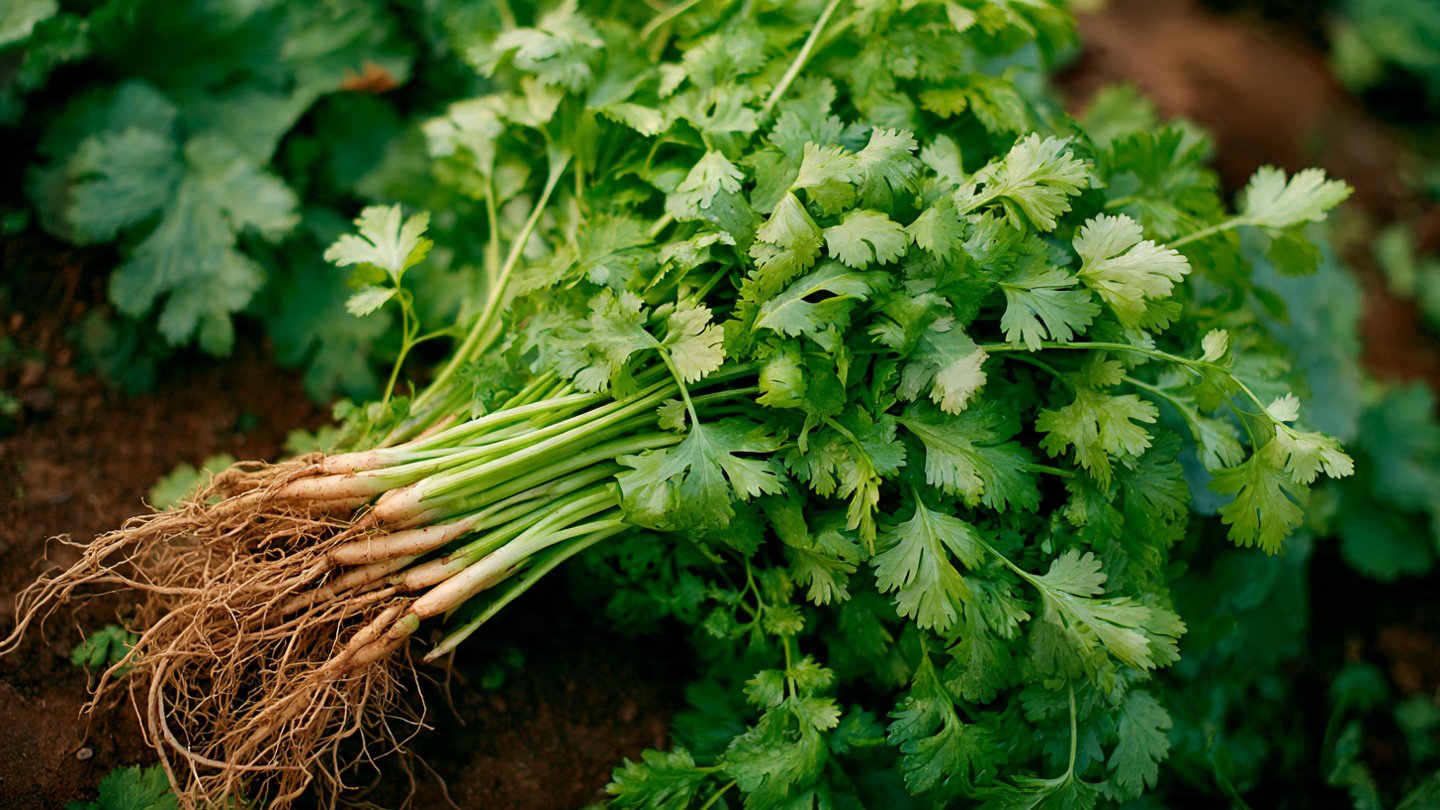

Coriander, also known as cilantro, is a versatile herb that can enhance the flavors of countless dishes. Known for its fresh, citrusy flavor profile, coriander is a staple in many cuisines around the world. With proper techniques, it’s possible to grow coriander throughout the year, ensuring a continuous supply for your culinary adventures. In this article, we’ll explore tips for growing coriander all year round, strategies for effective harvesting, and address frequently asked questions.
Understanding Coriander
Coriander is a temperate herb that thrives in moderate climates, preferring well-draining soil and plenty of sunlight. It is a fast-growing plant, with both leaves and seeds (coriander seeds) being used in cooking. While coriander is often grown as an annual, with the right care and attention, it can be cultivated year-round.
Choosing the Right Variety
When growing coriander, it’s crucial to choose the right variety suited to your climate. The two main types are:
-
Cilantro: This refers to the fresh leaves and stems of the plant. It’s widely used in salads, salsas, and garnishes.
-
Coriander Seeds: These are the seeds of the same plant, used for seasoning and spice blends.
For a year-round supply, you might consider planting both varieties.
Starting Your Coriander Seeds
1. Seed Selection
Choose high-quality seeds from a reputable source. Look for varieties that are known for their resilience in your specific climate.
2. Sowing indoors
For year-round harvesting, start your seeds indoors. This allows you to control temperature and light conditions. Use seed trays or pots with good drainage.
-
Soil: Use a light potting mix enriched with organic matter. Aim for a pH level between 6.2 and 6.8.
-
Sowing Depth: Plant seeds about half an inch deep.
3. Watering
Moisten the soil lightly after planting. Keep it consistently damp but not waterlogged. Overwatering may lead to root rot.
4. Light Conditions
Coriander requires ample sunlight. If you’re growing indoors, place your seedlings in a south-facing window or under grow lights for at least 12 hours per day.
5. Thinning
Once seedlings are about 2-3 inches tall, thin them out, ensuring that the plants are spaced about 6 inches apart. This promotes better air circulation and reduces competition for nutrients.
Transplanting Outdoors
When the seedlings are 3-4 weeks old and have developed several sets of leaves, they can be transplanted outdoors.
1. Ideal Outdoor Conditions
Coriander prefers cooler temperatures, ideally between 50°F and 85°F (10°C to 29°C). Ensure the outdoor area gets 6-8 hours of sunlight daily.
2. Soil Preparation
Prepare your garden bed by tilling the soil to a depth of 12 inches. Incorporate organic compost to enhance fertility and drainage.
3. Spacing
When planting outdoors, space the plants about 6-12 inches apart to allow for optimal growth.
Continuous Harvesting Techniques
1. Staggered Planting
For continuous harvesting, practice staggered planting every two weeks. This is a method where you sow a new batch of seeds at regular intervals to ensure a steady supply of fresh leaves.
2. Harvesting Wisely
Begin harvesting your coriander once the plants are 6-8 inches tall. Use scissors or pruners to cut the outer leaves, allowing the inner leaves to continue growing. Avoid removing more than one-third of the plant at a time to maintain its vitality.
3. Monitoring Growth
Keep an eye on your plants’ growth patterns. If you notice bolting (the plant producing flowers), it’s a sign they are transitioning to seed production. This can happen due to high temperatures or insufficient water. You can try to cut the flower stems before they develop into seeds, redirecting the energy back into leaf growth.
Container Gardening
If you lack garden space, or want to grow coriander indoors, consider container gardening.
1. Choosing the Right Container
Select containers that are at least 6-8 inches deep with good drainage holes. You can use pots, window boxes, or recycled containers.
2. Soil and Drainage
Use a well-draining potting mix. A mixture of peat moss, perlite, and organic fertilizer can yield excellent results.
3. Water Management
Container plants may require more frequent watering. Check moisture levels regularly and adjust your watering schedule accordingly.
4. Rotating the Location
Significant light exposure is vital for indoor growth. Rotate the containers periodically to ensure each side of the plant receives ample sunlight.
Pest and Disease Management
Coriander is generally pest-resistant, but occasional pests such as aphids and caterpillars can pose a threat.
1. Prevention Tips
-
Companion Planting: Consider planting your coriander alongside other herbs such as basil and mint, which can help deter pests.
-
Natural Sprays: Use insecticidal soap or neem oil as a natural pest control method when necessary.
2. Recognizing Diseases
Watch for signs of fungal diseases, such as powdery mildew. Ensure proper air circulation and do not overcrowd plants to minimize the risk.
Seasonal Considerations
1. Winter Care
In colder climates, it might be necessary to bring your coriander indoors or use cold frames for protection.
- Temperature Regulation: Maintain a temperature above 50°F. If temperatures drop significantly, cover your plants with row covers or fleece.
2. Spring and Summer Care
In warmer months, ensure regular watering and monitor for bolting. Providing partial shade during extreme heat can also extend the growing season.
Encouraging Growth
1. Fertilization
Use a balanced, organic fertilizer every few weeks to give your plants the nutrients they need to thrive and produce flavorful leaves.
2. Pruning
Regularly prune dead or yellowing leaves to encourage new growth.
FAQs
Q: How often should I water my coriander plants?
A: Water coriander when the top inch of soil feels dry. Ensure a balance—don’t let the soil stay soggy.
Q: Can I grow coriander in a small space?
A: Yes, coriander can thrive in containers, making it suitable for small spaces. Just ensure they receive plenty of sunlight.
Q: What can I do if my coriander bolts too early?
A: If your coriander starts to bolt, you can try to cut off the flower stems promptly. To prevent bolting, keep the plant in cooler temperatures and provide adequate moisture.
Q: When is the best time to harvest coriander?
A: Harvest coriander leaves when they are six to eight inches tall. For seeds, wait until the flowers have dried and turned brown.
Q: How do I store fresh coriander?
A: You can store fresh coriander in the refrigerator wrapped in a damp paper towel inside a plastic bag. For longer storage, consider freezing the leaves in ice cube trays with water or oil.
Q: Can I grow coriander indoors?
A: Yes! Growing coriander indoors is possible with adequate light, such as placing it near a sunny window or using grow lights.
Conclusion
Growing coriander all year round is achievable with careful planning and attentive care. By following these tips and employing effective strategies for planting, harvesting, and managing your crop, you can ensure a consistent supply of this flavorful herb. Whether you’re a culinary enthusiast or simply enjoy gardening, incorporating coriander into your toolkit will enhance your culinary creations while offering the joy of gardening all year long. Happy planting!