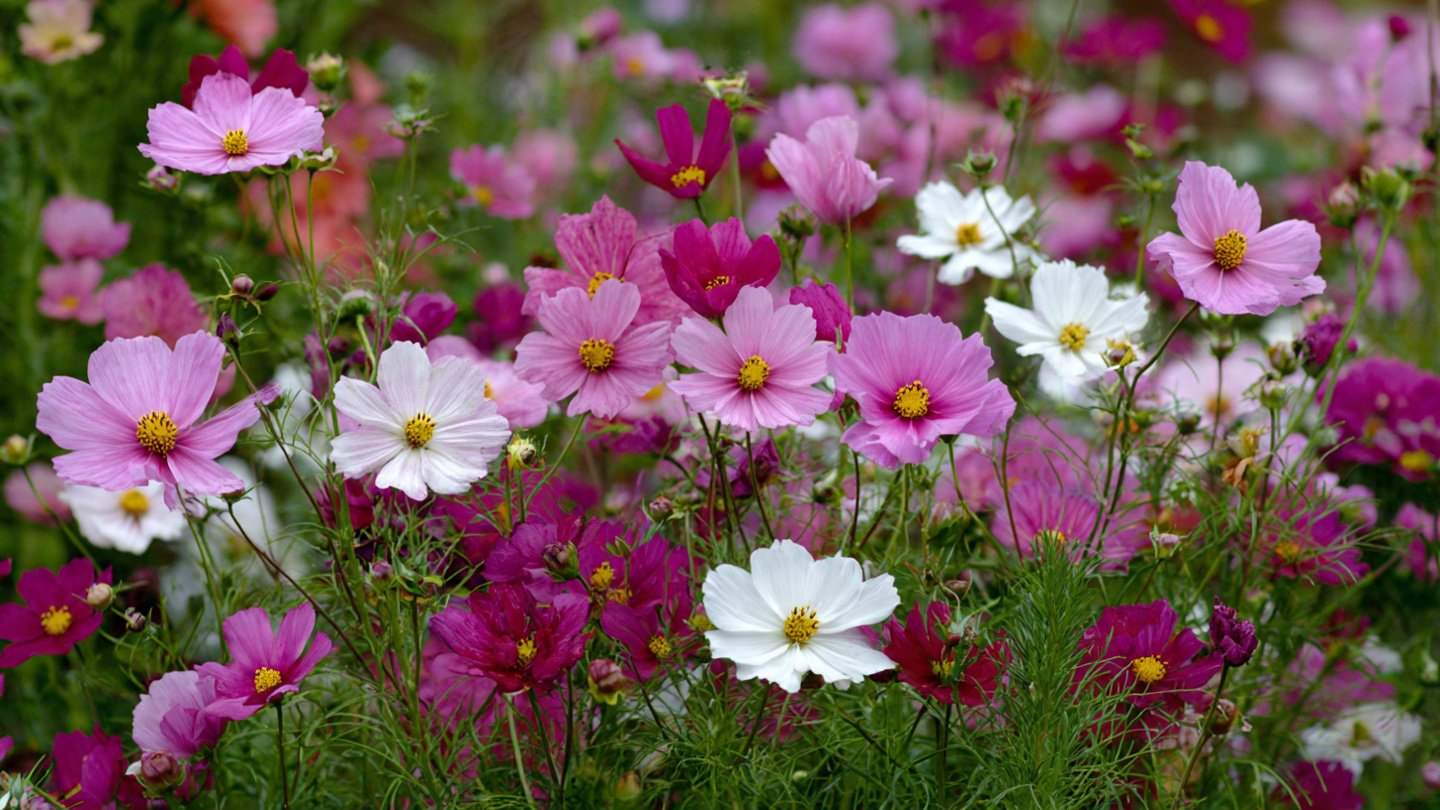

Growing annual flowers can transform your garden into a vibrant display of colors and textures. Among the myriad of options available, Cosmos—particularly the Pink and White Mix variety—stands out for its ease of care, vivid blossoms, and ability to attract pollinators. This article will guide you through the essentials of successfully cultivating Cosmos, ensuring a stunning garden that blooms with cheerful color.
Overview of Cosmos
Cosmos are hardy annuals belonging to the Asteraceae family. They are characterized by their daisy-like flowers and feathery foliage. The Pink and White Mix adds a dreamy quality to gardens, with pinks ranging from soft pastels to bold fuchsias mingling with pristine white. Cosmos plants can grow up to 3-5 feet tall, making them a fantastic backdrop or an eye-catching focal point.
Why Choose Cosmos Pink and White Mix?
- Ease of Growth: Cosmos are known for being low-maintenance. They thrive in a variety of conditions and are resistant to pests and diseases.
- Attracting Pollinators: These flowers are magnets for butterflies, bees, and other beneficial insects, contributing to a healthier garden ecosystem.
- Long Blooming Season: From summer through fall, Cosmos can bloom continuously, providing ongoing color to your garden.
- Versatile Design: The tall stature and airy nature of Cosmos make them ideal for borders, containers, or as cut flowers for indoor arrangements.
Steps to Grow Cosmos Pink and White Mix
1. Selecting the Right Location
Choose a sunny spot in your garden that receives at least 6-8 hours of sunlight daily. Cosmos prefer well-drained soil, so avoid areas where water tends to pool.
2. Preparing the Soil
Cosmos thrive in moderately fertile soil. Here’s how to prepare the bed:
- Soil Testing: Conduct a soil test to check pH and nutrient levels. Cosmos prefer slightly acidic to neutral pH (6.0-7.0).
- Amendments: If your soil is too heavy, consider adding organic matter like compost or peat moss to improve drainage. Too much fertility can lead to excessive foliage and fewer blooms.
3. Planting
You can either start your Cosmos indoors or sow them directly into the garden.
Starting Indoors:
- Timing: Start seeds indoors about 4-6 weeks before the last frost.
- Containers: Use seed trays or biodegradable pots filled with seed-starting mix.
- Sowing: Plant seeds about 1/4 inch deep and keep them moist but not soggy.
- Lighting: Place under grow lights or a sunny window to ensure strong seedlings.
Direct Sowing:
- Timing: Once the danger of frost has passed and the soil temperature is consistently above 70°F (21°C), sow seeds directly in the garden.
- Spacing: Sow seeds about 12 inches apart, as they will grow into bushy plants.
4. Watering and Fertilization
- Watering: Cosmos are drought-resistant, so water only when the top inch of soil feels dry. Overwatering can lead to root rot.
- Fertilization: These plants generally don’t need much fertilizer. A light application of a balanced fertilizer at planting time is sufficient to encourage growth.
5. Pest and Disease Management
While Cosmos are relatively pest-resistant, keep an eye out for aphids, spider mites, and snails. Here’s how to manage them:
- Natural Predators: Beneficial insects like ladybugs can help control aphid populations.
- Neem Oil: For severe infestations, consider using neem oil or insecticidal soap.
- Fungal Issues: Good air circulation and avoiding overhead watering can prevent fungal diseases.
6. Support and Maintenance
- Staking: If your Cosmos grow tall and are at risk of falling over, consider using stakes or wire supports.
- Deadheading: Regularly remove spent flowers to encourage more blooms and maintain a tidy appearance.
7. Harvesting
If you wish to cut some flowers for arrangements, do so in the morning when the blooms are fully open. This will ensure they last longer in water. Use sharp scissors or garden shears to avoid damaging the plants.
Seasonal Care
Spring
- Prepare the garden bed by removing weeds, testing soil, and amending it accordingly.
- Plant seeds or transplant seedlings.
Summer
- Monitor watering, especially during dry spells.
- Deadhead flowers to promote continuous blooming.
Fall
- Once blooms start to fade, you can either leave the plants for winter interest or cut them back.
- Collect seeds if you plan to grow them again next year; they are easy to collect!
Frequently Asked Questions (FAQs)
1. When is the best time to plant Cosmos seeds?
The best time to plant Cosmos seeds is in spring after the last frost date in your area. If starting indoors, do so about 4-6 weeks before this date.
2. How much sunlight do Cosmos need?
Cosmos prefer full sun, requiring at least 6-8 hours of sunlight daily for optimal growth and blooming.
3. What type of soil is best for Cosmos?
Well-drained soil with moderate fertility is ideal for Cosmos. Heavy clay soils should be amended with organic matter to improve drainage.
4. How often should I water my Cosmos?
Water Cosmos only when the top inch of the soil feels dry. They are drought-resistant and can thrive with minimal watering.
5. Can Cosmos be grown in containers?
Yes, Cosmos can be grown in containers. Ensure they have ample space (at least 12 inches between plants) and use good-quality potting mix.
6. Do Cosmos need fertilizer?
Generally, Cosmos do not need a lot of fertilizer. A light application of a balanced fertilizer at planting time is usually sufficient.
7. How do I collect seeds from Cosmos?
Allow the flowers to fade and dry on the plant. Once seeds have formed, cut the seed heads and store them in a cool, dry place.
8. Are Cosmos attractive to pollinators?
Yes, Cosmos are known to attract various pollinators like bees and butterflies, making them beneficial for biodiversity in your garden.
9. Can I propagate Cosmos from cuttings?
Cosmos are typically grown from seeds rather than cuttings. However, you can collect and store seeds for future planting.
10. What types of pests should I watch for?
Keep an eye out for aphids, spider mites, and slugs. Regular monitoring and natural pest management can keep these in check.
Conclusion
Growing Cosmos Pink and White Mix can be a rewarding addition to your garden. With minimal care, these cheerful blooms will provide stunning visual interest and support local pollinators. By following the steps outlined above, you can create a vibrant display that not only enhances your outdoor space but also contributes to ecological balance. Whether you’re planting them in flower beds, borders, or containers, Cosmos are sure to delight with their abundant blooms and cheerful presence.
By creating an ideal environment for these plants and tending to their needs, you can enjoy a stunning display from spring through fall. Happy gardening!