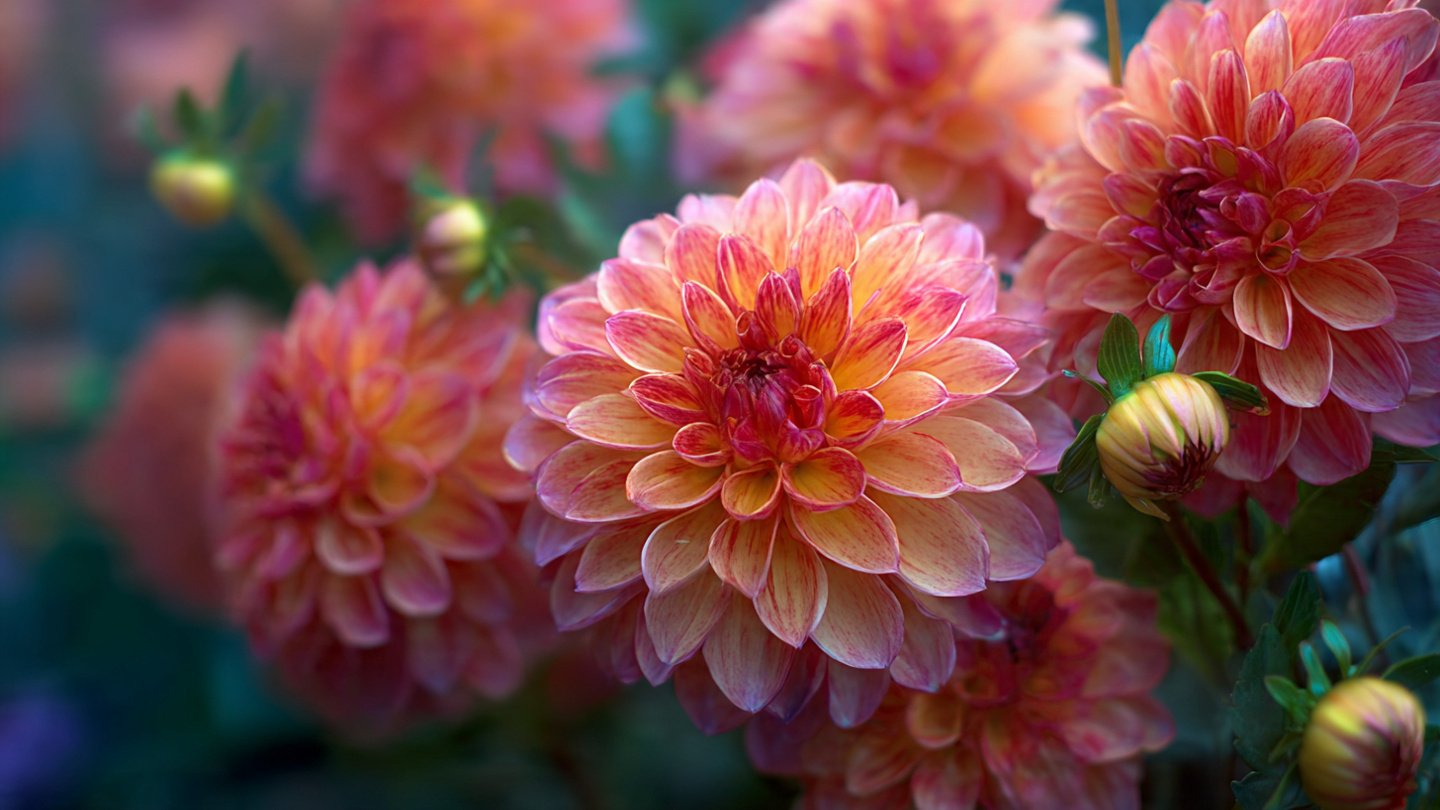

Dahlias are a popular garden flower known for their stunning variety of colors, sizes, and forms. Whether you are a seasoned gardener or a novice, growing large and vibrant dahlias can be a rewarding endeavor. This article covers effective techniques for cultivating healthy dahlias, ensuring your garden is bursting with these beautiful blooms.
Understanding Dahlias
Origin and Diversity
Dahlias are native to Mexico and were originally cultivated by the Aztecs. These perennials belong to the Asteraceae family and come in various sizes, from tiny pom-poms to giants that can reach over a foot in diameter. Their blooms can be single or multi-petaled and are available in nearly every color imaginable.
Varieties of Dahlias
Dahlias can be categorized into several classes based on their flower shape, including:
- Decorative Dahlias: Full, rounded blooms that are perfect for cutting.
- Cactus Dahlias: Petals that are long and pointed, resembling the spines of a cactus.
- Pompon Dahlias: Small, ball-shaped flowers that offer a charming appearance.
- Dinner Plate Dahlias: Large, impressive blooms that can measure up to 12 inches across.
Choosing the right variety for your garden is the first step towards success.
Preparing Your Garden
Choosing the Right Location
Dahlias thrive in locations with full sun. Aim for at least six to eight hours of sunlight daily. A well-drained garden bed is crucial to prevent rot since dahlias dislike being waterlogged.
Soil Preparation
Dahlias prefer rich, fertile soil. The pH level should be slightly acidic to neutral (pH 6.0 to 7.0). Here’s how to prepare your soil:
- Testing the Soil: Use a soil test kit to determine pH and nutrient levels.
- Improving Soil Quality: Amend your garden bed with organic matter, such as compost or well-rotted manure. Incorporating these materials enhances soil structure and fertility.
- Tilling the Soil: Till to a depth of about 12 inches to ensure aeration and mix in organic materials effectively.
Site Layout
If you plan on growing multiple dahlias, leave enough space between them to ensure good air circulation. Generally, spacing should be about 18 to 24 inches apart.
Planting Dahlias
Timing
The best time to plant dahlias is after the last frost has passed, typically in spring. For many regions, this can range from late April to June. Planting too early may expose your tubers to frost and damage them.
Planting Techniques
- Selecting Tubers: Choose healthy, robust tubers with at least one eye (or sprout) on each.
- Planting Depth: Dig a hole about 6-8 inches deep, and place the tuber with the eye facing upward. Cover the tuber with soil and water lightly.
- Watering After Planting: Water thoroughly but avoid soaking. Keep the soil moist but not soggy.
Caring for Your Dahlias
Watering
Dahlias require consistent watering, particularly during dry spells. However, ensure that the soil drains well to prevent root rot. Aim for about an inch of water per week, either through rainfall or supplemental watering.
Fertilizing
Feed dahlias with a balanced fertilizer during the early growing season. A formula with an N-P-K ratio of 5-10-10 works beautifully, as it promotes lush blooms rather than excessive foliage.
- Initial Feeding: Begin fertilizing about 4-6 weeks after planting.
- Ongoing Maintenance: Continue to fertilize every 4-6 weeks until mid-August.
Supporting Growth
As dahlias grow, they can become top-heavy. Tall varieties may require staking to support their weight and prevent bending or breaking.
-
Staking: Use tall stakes placed a few inches from the base of the plant. Tie the stems to the stakes with soft, flexible ties.
-
Pinching: To encourage bushier plants and more blooms, pinch out the tips of the main stems when they reach about a foot tall. This promotes lateral growth.
Managing Pests and Diseases
Common Pests
- Aphids: These small insects can suck sap from dahlias. Control them by spraying with insecticidal soap or introducing beneficial insects like ladybugs.
- Spider Mites: Signs of mites include stippling on the leaves. Increase humidity around the plants and apply neem oil or insecticidal soap.
- Snails and Slugs: Use traps or organic methods like crushed eggshells to deter them.
Diseases
- Powdery Mildew: This fungal disease can be managed with proper air circulation, watering at the base of the plant, and using fungicides as needed.
- Dahlia Mosaic Virus: There’s no cure, but controlling aphid populations can prevent its spread. Remove and destroy infected plants.
Harvesting and Enjoying Dahlias
When to Harvest
Dahlias are ready for cutting when the flowers are fully opened and exhibit vibrant color. Early morning is the best time to cut, as the flowers are cooler and more resilient.
Cutting Techniques
- Use a sharp, clean knife or scissors.
- Cut stems at an angle to maximize water absorption.
Displaying Cut Dahlias
Dahlias make fantastic cut flowers, adding beauty to any arrangement. Change the water every couple of days and re-cut the stems to ensure longevity.
Overwintering Dahlias
While dahlias can be grown as annuals in some regions, they are technically perennials. To ensure they come back the following year, a proper overwintering strategy is crucial:
- Lifting Tubers: After the first frost, carefully lift the tubers from the ground, taking care not to damage them.
- Cleaning: Remove excess soil, and let them dry for a few hours.
- Storing: Place them in a container filled with peat moss or vermiculite and store in a cool, dark place. Ensure temperatures remain above freezing.
FAQs
1. Can dahlias be grown in pots?
Yes! Dahlias thrive in containers as long as they have sufficient drainage and sunlight. Use large pots (at least 12-18 inches in diameter) for larger varieties.
2. How often should I water dahlias?
Aim for about an inch of water per week. Consistent moisture is key, especially during hot weather.
3. Do I need to pinch dahlias to get more blooms?
Yes! Pinching the tips of the stems when they reach about a foot tall encourages bushier plants and can lead to more flowers.
4. Can I plant dahlias in shady areas?
Dahlias prefer full sun and may not bloom well in shaded areas. If possible, choose a location with at least 6-8 hours of sunlight.
5. What do I do if my dahlias don’t bloom?
Check for proper sunlight, watering, and nutrition. Dahlias may take time to bloom, particularly the first season. Ensure they’re getting enough potassium, as this promotes flowering.
Growing dahlias can be a delightful experience, bringing color and life to your garden. With the right techniques and care, you’ll enjoy vibrant blossoms that are sure to impress. Happy gardening!