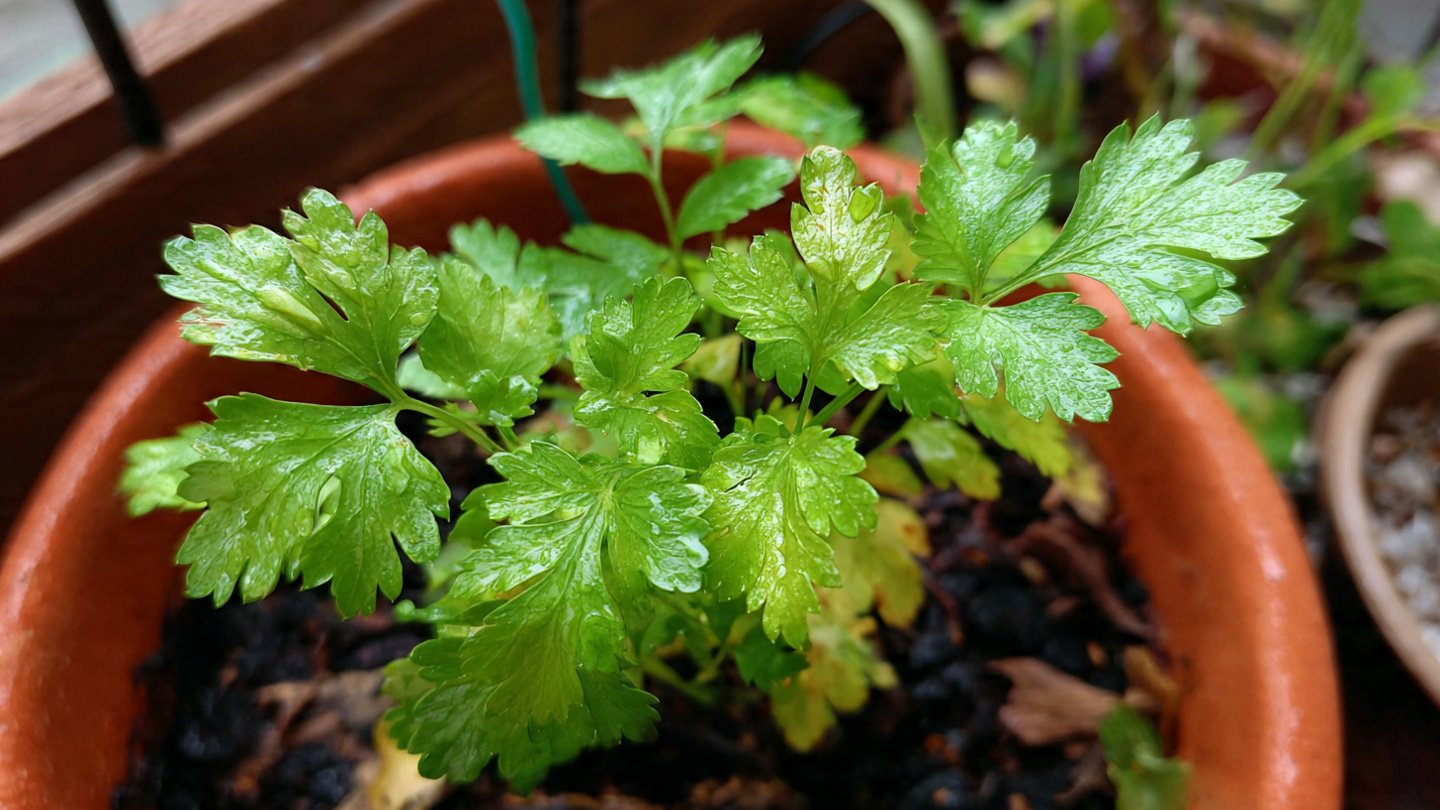

Coriander, also known as cilantro, is a versatile herb cherished for its fresh, distinctive flavor. However, gardeners often face the challenge of bolting, where the plant prematurely flowers and goes to seed, resulting in a bitter taste and reduced leaf production. In this article, we’ll explore techniques to successfully grow coriander while minimizing the chances of bolting, ensuring a bountiful harvest.
Understanding Coriander: An Overview
Before delving into cultivation strategies, it’s essential to understand coriander’s lifecycle and requirements. Coriander (Coriandrum sativum) is a cool-season herb that thrives in temperate climates. It is unique in that both the leaves and seeds are used in cooking, adding to its appeal. Typically, coriander has two growth phases: a leafy phase, where it is prized for its leaves, and a flowering phase, where it bolts to produce seeds.
What Causes Bolting?
Bolting is a natural response of many plants to environmental stressors, primarily triggered by:
- Temperature Changes: Coriander is sensitive to heat. If temperatures rise rapidly, the plant may bolt.
- Day Length: Longer daylight hours can trigger flowering in certain species.
- Water Stress: Inconsistent watering or drought conditions can lead to bolting.
- Nutrient Imbalance: Over-fertilization, especially with nitrogen, can lead to excess leaf growth followed by bolting.
By understanding these factors, gardeners can take preventive measures to keep coriander flourishing without bolting.
Techniques to Prevent Bolting
1. Choosing the Right Variety
Selecting a slow-bolting variety of coriander can significantly impact your success. Some cultivars are bred specifically to resist bolting, making them more suitable for warmer climates. Look for varieties like ‘Calypso’ or ‘Italian Leaf’ which are known for their longevity.
2. Timing Your Planting
Coriander prefers cooler temperatures, ideally between 50-85°F (10-29°C). Plan your planting schedule around these temperatures:
- Spring Planting: Sow seeds directly in the ground after the last frost date.
- Fall Planting: For regions with mild winters, sow seeds again in late summer for a fall harvest.
3. Soil Preparation
Healthy soil is foundational for growing coriander. Follow these steps to prepare your soil:
- Well-Drained Soil: Coriander roots don’t tolerate waterlogged conditions. Ensure your soil drains well.
- Fertility: Enrich your soil with well-rotted compost to provide nutrients without an excess of nitrogen, which can spur premature bolting.
- pH Level: Aim for a soil pH between 6.2 and 6.8 for optimal growth.
4. Planting Method
When planting coriander, consider these best practices:
- Seed Depth: Sow seeds about 0.5 inches deep to protect them from fluctuations in temperature.
- Spacing: Give coriander enough space (about 6-8 inches apart) to grow without competition, which can sometimes lead to stress and bolting.
5. Watering Practices
Consistent and adequate watering helps reduce stress. Here’s how to manage watering:
- Frequency: Water deeply but infrequently, aiming for about 1 inch per week. Adjust according to rainfall.
- Mulching: Apply mulch around plants to retain soil moisture, regulate temperature, and prevent weeds.
6. Managing Temperature
Extreme temperatures can lead to bolting. Here are some tips for temperature management:
- Shade Provision: During hotter months, provide some shade using row covers or shade cloth to keep temps down.
- Row Covers: Use lightweight row covers to protect seedlings from extreme heat while allowing light and moisture to penetrate.
7. Monitoring and Tending
Regular observation is crucial in maintaining the health of your coriander plants. Look for signs of stress and trends in growth:
- Pest Control: Keep an eye out for pests that could weaken plants and lead to bolting. Use organic insecticides or physically remove pests as needed.
- Pruning and Harvesting: Regularly prune outer leaves, and don’t hesitate to start harvesting leaves once the plant is 6 inches tall. This encourages continued growth.
8. Adjusting Nutrient Levels
Fertilization plays a critical role in plant health. Follow these guidelines for optimal nutrient management:
- Balanced Fertilizer: Use a balanced fertilizer, low in nitrogen, to prevent excess leafy growth which could lead to bolting.
- Organic Options: Consider using compost or well-rotted manure for gradual nutrient release.
9. Succession Planting
To ensure a steady supply of fresh coriander, practice succession planting:
- Staggered Sowing: Sow seeds every couple of weeks to ensure that as one batch matures, another is just beginning its growth phase.
10. Harvesting Techniques
Knowing when and how to harvest coriander can affect its longevity:
- Timing: Harvest leaves when young and tender, ideally before the plant bolts. If you notice flower buds forming, harvest immediately to prevent further flowering.
- Cutting Method: Cut the leaves from the outside of the plant to encourage new growth from the center.
Conclusion
Growing coriander successfully without experiencing bolting requires a combination of proper variety selection, careful timing, diligent watering, and good soil management. By employing these techniques, gardeners can enjoy a plentiful harvest of coriander throughout the growing season, ensuring access to this flavorful herb in their culinary repertoire.
FAQs
1. How long does it take coriander to grow?
Coriander typically takes about 2-3 weeks to germinate and can be ready for harvest in about 4-6 weeks, depending on environmental conditions.
2. Can I grow coriander indoors?
Yes! Coriander can be grown indoors in pots. Ensure they receive plenty of sunlight and maintain a consistent watering schedule.
3. Why are my coriander leaves turning yellow?
Yellow leaves can indicate overwatering, nutrient deficiencies, or pest issues. Check the soil moisture and adjust watering practices as needed.
4. Is coriander a perennial or annual plant?
Coriander is usually grown as an annual because it tends to bolt quickly and die off in hot weather. However, in mild climates, it may reseed itself.
5. Can I save coriander seeds for future planting?
Absolutely! Let the coriander flowers mature and dry on the plant, then collect the seeds to plant in future seasons.
Implementing these techniques will not only lead to a successful coriander harvest but also enhance your overall gardening experience. Enjoy experimenting with various recipes that utilize your fresh coriander, and savor the fruits of your labor!