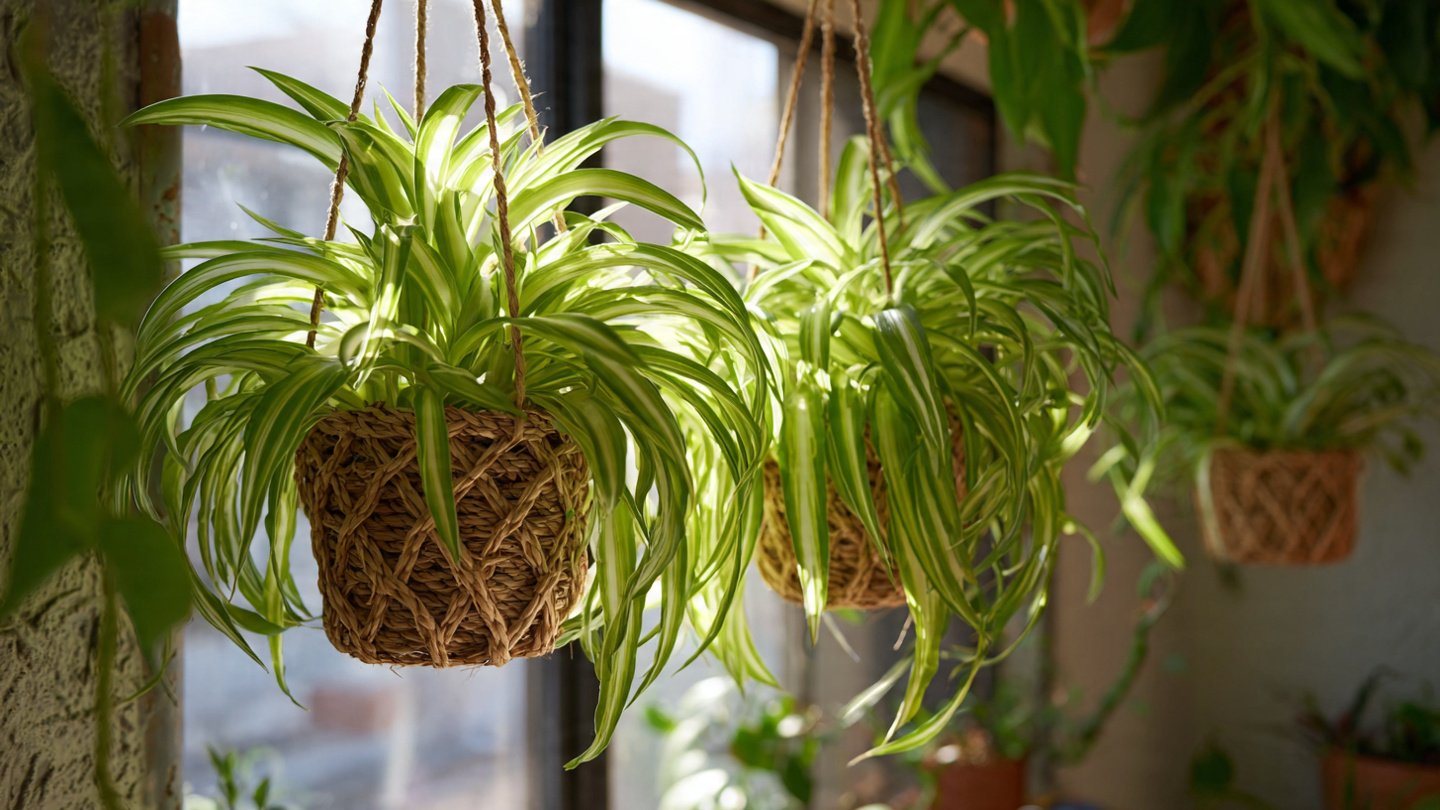

Bonnie Curly Spider Plants (Chlorophytum comosum ‘Bonnie’) have gained immense popularity among plant enthusiasts due to their distinctive, curly leaves and adaptability as indoor plants. These charming houseplants are not only visually appealing but also offer air-purifying benefits. If you’re looking to cultivate these delightful green companions in your home, this guide will provide you with everything you need to know—from potting to maintenance, and even troubleshooting common problems.
Understanding the Bonnie Curly Spider Plant
Before diving into the care specifics, it’s essential to understand the Bonnie Curly Spider Plant’s unique characteristics. Unlike the traditional spider plant, which boasts straight leaf forms, the Bonnie variety has beautifully curled and twisting foliage. This delightful feature can grow up to 12-24 inches in height, making it a fantastic addition to shelves, windowsills, or hanging pots.
Benefits of Bonnie Curly Spider Plants
- Air Purification: Studies show that spider plants can effectively remove pollutants such as formaldehyde and xylene from the air, enhancing indoor air quality.
- Low Maintenance: Ideal for beginners, Bonnie Curly Spider Plants are resilient and require minimal care.
- Child and Pet Friendly: These plants are non-toxic to children and pets, making them a safe choice for homes.
- Versatile Decor: With their unique curly foliage, they’re suitable for various decor styles, from modern to bohemian.
Potting Your Bonnie Curly Spider Plant
1. Choosing the Right Pot
A crucial first step is selecting an appropriate pot. Bonnie Curly Spider Plants thrive in well-draining pots. Opt for terracotta or ceramic pots with drainage holes to prevent water accumulation, which can lead to root rot.
2. Potting Mix
These plants prefer a lightweight, well-aerated potting mix. A standard houseplant soil blended with perlite or sand will work well. This mix provides the necessary drainage while retaining some moisture, ensuring your plant’s roots stay healthy.
3. Transplanting
When repotting, wait until the plant becomes root-bound (when roots start to grow through the drainage holes). This typically occurs every 1-2 years. When transplanting, gently remove the plant, shake off the old soil, and place it into the new pot with fresh mix.
Light Requirements
Bonnie Curly Spider Plants thrive in bright, indirect light. They can tolerate low light conditions but will not grow as vigorously. Here’s a more detailed breakdown of light preferences:
- Bright, Indirect Light: Ideal for promoting healthy growth and vibrant foliage.
- Low Light: The plant can survive but may become leggy and lose its characteristic curl.
- Direct Sunlight: Avoid placing the plant in direct sunlight, as it can scorch the leaves.
Watering Your Bonnie Curly Spider Plant
1. Watering Frequency
Overwatering is one of the most common mistakes when caring for these plants. Allow the top inch of soil to dry out between watering sessions. Generally, in warmer months, watering once a week is sufficient, while in winter, you may only need to water every two weeks.
2. Water Quality
Interestingly, Bonnie Curly Spider Plants can be sensitive to chemicals found in tap water. If possible, use distilled water, rainwater, or let tap water sit out overnight to allow chemicals such as chlorine to dissipate.
3. Signs of Overwatering or Underwatering
- Overwatering: Yellowing leaves, mushy roots, and a sudden drop in foliage are signs of excess water.
- Underwatering: Crispy leaf tips or leaves curling inward indicate the plant is thirsty.
Humidity and Temperature Needs
1. Ideal Humidity Levels
Bonnie Curly Spider Plants prefer moderate to high humidity levels (around 50-70%). You can increase humidity by:
- Placing a humidifier nearby.
- Grouping plants together.
- Using a pebble tray filled with water to create moisture in the air.
2. Temperature Requirements
These plants thrive in temperatures between 60°F (15°C) and 75°F (24°C). Avoid exposing them to cold drafts or sudden temperature changes, which can stress the plant.
Fertilizing Bonnie Curly Spider Plants
1. Choosing a Fertilizer
Feed your Bonnie Curly Spider Plant during the growing season (spring and summer) with a balanced, water-soluble fertilizer diluted to half strength. This helps to promote growth without causing fertilizer burn.
2. Application Frequency
Fertilize every 4-6 weeks during the growing season and reduce feeding during the fall and winter months when the plant enters its dormant phase.
Pruning and Maintenance
1. Leaf Care
Pruning is not mandatory but helps maintain the plant’s shape and encourages bushier growth. Remove any yellow or brown leaves at the base using clean, sharp scissors.
2. Propagation
Bonnie Curly Spider Plants produce small plantlets or “pups” that can be propagated. To propagate:
- Wait until the pups are a few inches long.
- Cut them off with clean scissors.
- Place them in water or moist soil to root them before transferring to new pots.
Common Pests and Problems
1. Pest Management
Common pests include spider mites, aphids, and mealybugs. Regular inspection and cleanliness can help prevent infestations. If pests are detected, you can use insecticidal soap or neem oil as organic treatment options.
2. Troubleshooting Issues
- Yellow Leaves: This can indicate overwatering or low light. Assess your watering frequency and light conditions.
- Brown Leaf Tips: This usually results from underwatering or low humidity. Increase humidity or water more consistently.
FAQs
1. Can I grow Bonnie Curly Spider Plants in low light?
- Yes, they can tolerate low light but may not thrive, resulting in leggy growth.
2. How often should I repot my Bonnie Curly Spider Plant?
- Generally, every 1-2 years, or when you notice it becoming root-bound.
3. Are Bonnie Curly Spider Plants safe for pets?
- Yes, they are non-toxic to both cats and dogs.
4. What should I do if my plant has pests?
- Inspect regularly, and use insecticidal soap or neem oil for organic pest management.
5. How can I encourage more curls in the leaves?
- Ensure your plant gets adequate light and avoid overwatering to promote healthy leaf growth.
6. Can I keep my Bonnie Curly Spider Plant outdoors?
- It’s best to keep them indoors. If placed outdoors, ensure they are in a shaded area to avoid direct sunlight.
Conclusion
Growing a Bonnie Curly Spider Plant indoors can be a rewarding experience, offering both aesthetic appeal and health benefits. With proper care, knowledge of their needs, and troubleshooting tips for common issues, you can enjoy a vibrant and thriving houseplant. Happy planting!