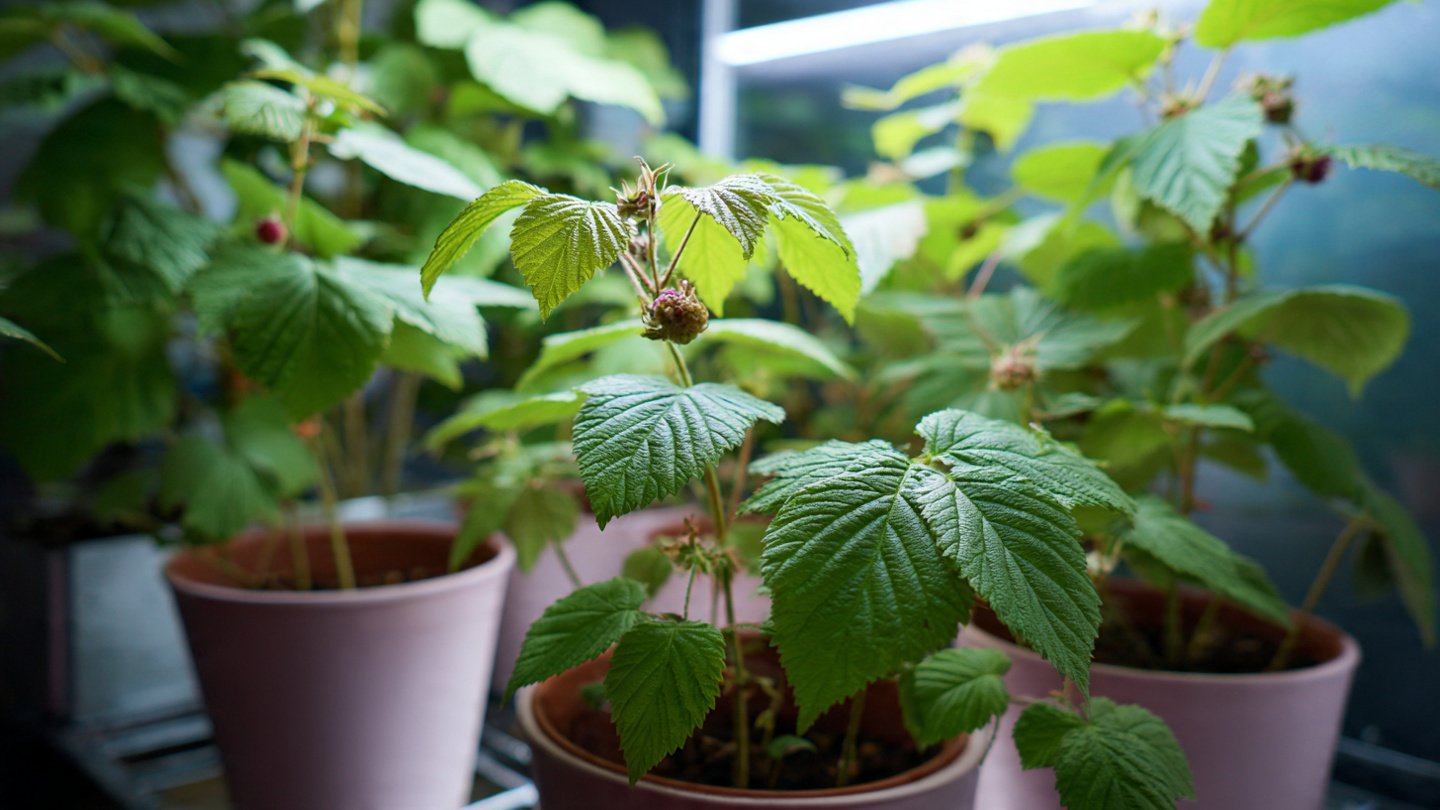

Growing raspberry plants indoors can be a rewarding endeavor, particularly if you’re aiming to enjoy their sweet fruits even during the winter months. Though these plants are typically associated with outdoor gardens, they can thrive indoors with the right care and conditions. This comprehensive guide will explore everything you need to know about caring for raspberry plants inside your home during the cold season.
Understanding Raspberry Varieties
Before diving into care practices, it’s essential to understand the different types of raspberries:
-
Summer-Bearing Raspberries: These plants produce fruit on second-year canes. They yield a single harvest in late summer.
-
Fall-Bearing Raspberries: These produce fruit on first-year canes, allowing for two harvests: one in late summer and another in fall.
In combination with your indoor setup, choose a variety that suits your space and climate. Certain varieties, like ‘Heritage’ or ‘Fall Gold’, can adapt well to indoor growing.
Selecting the Right Containers
1. Container Size
Choose a container that is at least 12 to 18 inches in diameter and 12 to 18 inches deep. Raspberry roots can spread significantly, so ample space encourages healthy growth.
2. Material
Terracotta pots are excellent for promoting airflow and drainage, while plastic containers are lightweight and retain moisture longer. However, ensure good drainage holes in the bottom of whichever type you choose.
3. Soil Quality
Opt for a potting mix designed for fruiting plants. A mix of loamy soil, compost, and perlite will provide essential nutrients while promoting drainage.
Choosing the Best Indoor Location
1. Light Requirements
Raspberry plants require at least 6-8 hours of sunlight per day. Position your pots near a south-facing window for optimal light exposure. If natural light is insufficient, consider supplementing with grow lights.
2. Temperature
Raspberries generally thrive at temperatures between 60-70°F (15-21°C) during the day and slightly cooler temperatures at night. Avoid placing them near heating vents or drafty windows, as this can cause temperature fluctuations detrimental to their growth.
3. Humidity Levels
Indoor environments can be dry in the winter. Raspberries prefer a humidity level of 40-60%. To increase humidity, consider using a humidifier, placing a shallow tray of water near the plants, or regularly misting the leaves.
Watering
1. Watering Frequency
Indoor raspberry plants typically require more frequent watering than outdoor ones due to the limited soil volume in containers. Check the top inch of soil; if it feels dry, it’s time to water.
2. Watering Technique
Water until you see it drain from the bottom of the pot. Ensure that you allow the top layer of soil to dry out slightly between waterings to avoid root rot.
3. Signs of Under or Over-Watering
Watch for yellowing leaves (over-watering) or wilting (under-watering) as indicators of improper watering practices.
Fertilizing
1. Fertilizer Type
During the winter months, you should reduce fertilization since raspberry plants typically go dormant. A balanced, slow-release fertilizer or organic compost can be used once a month during this period.
2. Signs of Nutrient Deficiency
Look for yellowing leaves, poor growth, or a lack of fruiting. If these occur, consider evaluating your fertilization routine.
Pruning Your Raspberry Plants
Pruning is crucial for maintaining healthy growth and encouraging fruit production.
1. When to Prune
For fall-bearing varieties, prune in early spring before new growth begins. For summer-bearing types, prune after the harvest.
2. How to Prune
Cut back the canes to about 6 inches above the soil level, removing any dead or damaged canes. This promotes better air circulation and light penetration.
Controlling Pests and Diseases
Indoor raspberry plants can still be susceptible to pests such as spider mites and aphids.
1. Regular Inspections
Check your plants weekly for signs of pest infestations or disease symptoms, including discolored leaves or wilting.
2. Preventative Measures
Maintain air circulation and ensure proper watering practices to reduce the risk of disease. If pests are discovered, natural insecticidal soaps or neem oil can be effective solutions.
Encouraging Winter Fruit Growth
1. Artificial Light
For indoor raspberry plants, using grow lights can help extend the light duration and improve fruiting potential in winter. Ensure they receive sufficient light hours, ideally up to 14-16 hours.
2. Temperature Regulation
As raspberries may require a period of cold to stimulate flowering, consider moving your plants to a cooler room for a few weeks to mimic winter dormancy before returning them to their brighter and warmer setup for fruiting.
The Indoor Harvest
As your indoor raspberry plants begin to bear fruit, you’ll need to know when to pick them. Raspberries are ready for harvest when they are fully colored and easily detach from the plant with a gentle push.
FAQs
1. Can I grow raspberries indoors year-round?
Yes, with proper care, raspberries can be grown indoors throughout the year.
2. How often should I fertilize my indoor raspberry plants?
In winter, limit fertilization to once a month using a balanced slow-release fertilizer or organic compost.
3. How do I know if my raspberry plants are stressed?
Look for signs like wilting, yellowed leaves, or stunted growth. These can indicate issues related to water, light, or temperature.
4. What is the best way to support growing raspberry plants indoors?
Use trellises or stakes to support the canes as they grow, ensuring they have enough vertical space and stability.
5. Can I propagate raspberry plants indoors?
Yes, you can propagate raspberries by taking cuttings and rooting them in water or moist soil.
6. How do I control pests on my indoor raspberry plants?
Regularly inspect your plants and use natural insecticidal soaps or neem oil to combat infestations.
7. What should I do with my indoor raspberry plants in spring?
In spring, as temperatures rise, resume regular watering, and start an active fertilization schedule to promote new growth.
Maintaining raspberry plants indoors during the winter months requires dedication, but with careful attention to light, water, and temperature, you can enjoy a fruitful indoor garden. Whether you choose to grow fall-bearing or summer-bearing varieties, the taste of fresh raspberries will make your efforts worthwhile. Start today, and enjoy a slice of summer, all year round!