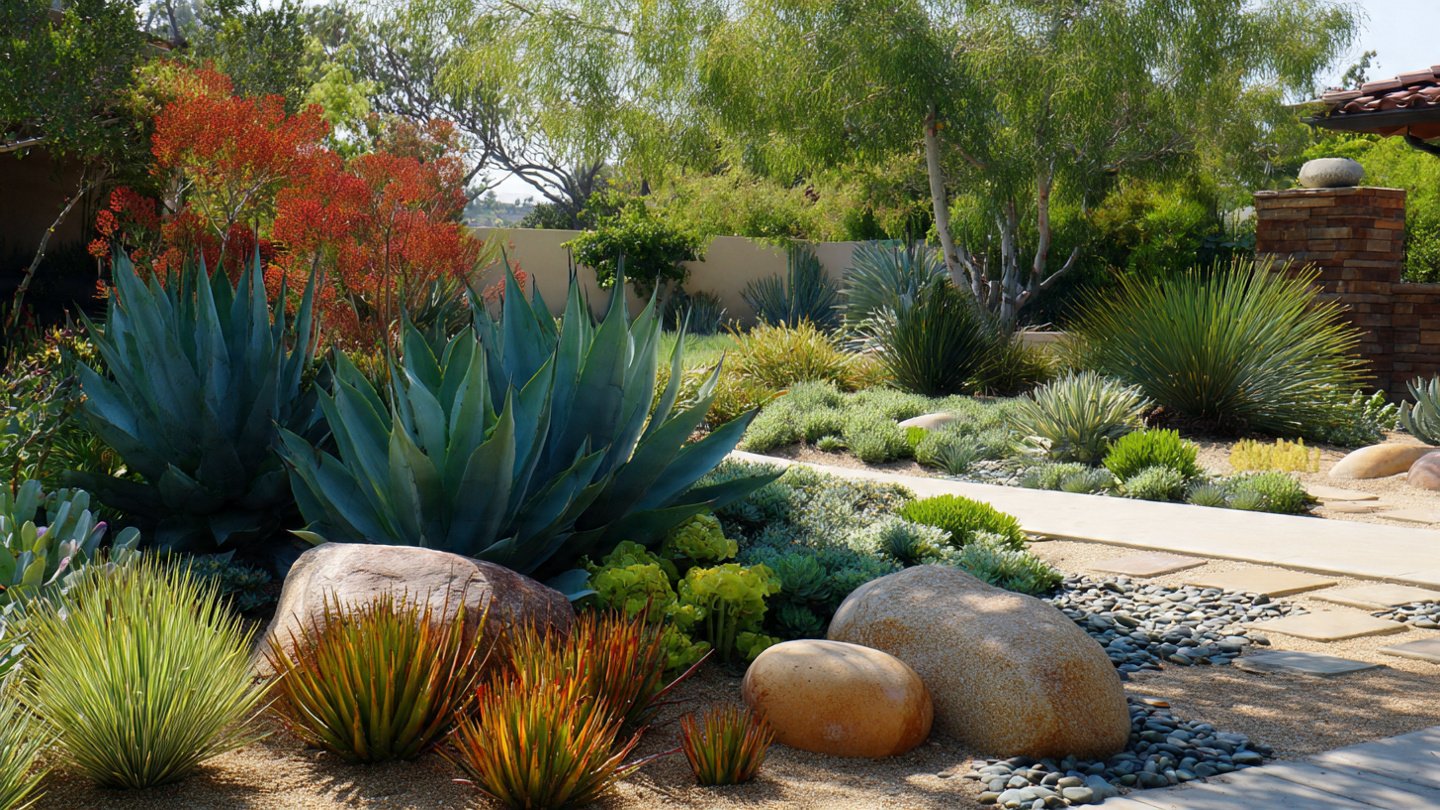

In the realm of landscape design, finding the right plants to create a refreshing and modern aesthetic can be a challenge. Among the stunning options available, the Century Plant (Agave americana) stands out for its striking appearance, resilience, and adaptability. This article will delve into the unique attributes of the Century Plant, how to incorporate it into your landscape design, and tips for maintaining a contemporary oasis that showcases this magnificent succulent.
The Allure of the Century Plant
The Century Plant, native to the arid regions of Mexico and the southwestern United States, is known for its impressive rosette of thick, fleshy leaves that can grow up to five feet long. These leaves are often edged with spines, adding a dramatic touch to any landscape. In addition to its aesthetic appeal, the Century Plant requires minimal care, making it a perfect choice for both seasoned gardeners and novice plant enthusiasts.
Unique Characteristics
-
Architectural Presence: The bold, sculptural quality of the Century Plant lends itself effortlessly to contemporary landscape design. Its linear form and large leaves create a dynamic focal point in any setting.
-
Color Palette: The Century Plant’s rich, blue-green foliage provides a vibrant contrast against other landscape elements and can enhance properties featuring modern homes, concrete structures, or lush gardens.
-
Resilience: With its drought-tolerant nature, the Century Plant thrives in dry conditions and can withstand poor soil quality, which is ideal for areas with limited water resources.
-
Low Maintenance: Once established, these plants require minimal watering and care, allowing you to enjoy your outdoor space without the constant demands of high-maintenance plants.
Design Principles for Using Century Plant
Incorporating the Century Plant into your landscape design requires careful consideration of various principles to achieve a cohesive, modern look.
1. Focal Points and Groupings
Focal Point: One of the most effective ways to showcase the Century Plant is by positioning it as a focal point in your garden. Placing a single plant in a prominent location can draw the eye and create an immediate impact.
Groupings: Alternatively, you might choose to plant several Century Plants in clusters, which can create a stunning visual effect. Consider varying their heights and arranging them in a staggered formation to enhance the sense of depth.
2. Complementing Materials
In a contemporary landscape, the materials you use play a crucial role in unifying your design. Pairing the Century Plant with elements such as:
- Natural Stone (e.g., slate, granite) can enhance its rugged aesthetic while harmonizing with the plant’s desert origins.
- Concrete features can create a modern edge, emphasizing clean lines and geometric shapes.
- Wooden Elements (like decks or pergolas) can soften the starkness of stone and concrete, offering warmth to the design.
3. Layering with Other Plants
To achieve a balanced look, consider layering the Century Plant with other succulents or drought-tolerant plants. Attractive companions include:
- Sedums: These low-growing ground covers add a lush green contrast.
- Yucca: Similar in texture, these plants will complement the Century Plant and heighten its architectural vibe.
- Ornamental Grasses: Adding grasses like Blue Fescue can provide movement and softening contrasts to the sharpness of the Agave leaves.
4. Incorporating Hardscaping Features
To elevate your landscape design further, integrating hardscaping elements like pathways, patios, or retaining walls can make a significant difference.
- Pathways can be lined with pebbles or gravel, contrasting beautifully against the Century Plant’s verdant hues.
- Patios made from pavers or tiles can provide a sleek surface that blends well with the surrounding flora.
- Retaining Walls may be made from natural stone, acting as both a structural component and a way to create tiered planting areas for your Century Plant.
5. Lighting Considerations
Lighting can accentuate the beauty of your landscape design, especially at night. Consider using subtle:
- Spotlights to highlight the outline and texture of the Century Plant.
- Pathway lights can guide visitors through your garden while drawing attention to the plant’s beauty.
- Soft uplighting can create an atmospheric glow that enhances the plant’s architectural form and overall ambiance.
Maintenance of the Century Plant
While the Century Plant is relatively low maintenance, understanding its care needs will ensure it thrives in your landscape. Here are some essential tips:
Soil Conditions
Agave americana prefers well-draining soil. If your native soil retains moisture, consider amending it with sand or gravel to enhance drainage.
Watering Requirements
This drought-tolerant plant does not require frequent watering. A thorough soak every few weeks during dry spells should suffice, allowing the soil to dry out between watering sessions.
Fertilization
While not typically necessary, feeding your Century Plants with a balanced, slow-release fertilizer in the spring can boost growth and achieve vibrant foliage. Use sparingly; too much fertilizer can inhibit growth.
Pruning
You will need to remove any dead or damaged leaves to maintain the plant’s aesthetic appeal. This can be done with sharp, clean pruning shears to prevent any disease.
Pest Management
Keep an eye out for potential pests like mealybugs or aphids. Treat infestations promptly using insecticidal soap or neem oil while being cautious to follow the instructions for application.
Creating a Contemporary Oasis
When strategically designed, your outdoor space can seamlessly blend the beauty of the Century Plant with modern elements to create an inviting oasis.
-
Personalize Your Space: Adding features like outdoor seating, fire pits, and water elements (such as fountains or ponds) can enhance comfort while ensuring they complement the surrounding landscape.
-
Seasonal Interest: While the Century Plant itself provides year-round structure, consider adding seasonal plants, flowers, or decorative elements to keep your landscape engaging throughout the year.
-
Sustainability: Incorporate native plants and xeriscaping techniques to promote biodiversity and reduce water usage. This aligns with contemporary design principles while also supporting environmental stewardship.
Conclusion
The Century Plant offers an exceptional opportunity to create a contemporary landscape oasis that exudes sophistication, resilience, and sustainability. Its striking architectural form, combined with thoughtful design elements and complementary plants, can transform any outdoor space into a modern sanctuary. With minimal care required, you can enjoy the beauty of your contemporary oasis for years to come.
FAQs
1. How much sunlight does the Century Plant need?
The Century Plant thrives in full sun but can tolerate partial shade. For best results, ensure it receives at least six hours of direct sunlight daily.
2. Can I grow the Century Plant in a pot?
Yes, Century Plants can thrive in containers. Ensure the pot has drainage holes, and use a well-draining soil mix to prevent root rot.
3. Is the Century Plant safe for pets?
While the Century Plant is not considered toxic to pets, its sharp spines may pose a safety risk. Supervise pets around the plant to prevent accidents.
4. When should I plant a Century Plant?
The best time to plant a Century Plant is during the spring or early fall when temperatures are milder, allowing for better establishment.
5. How can I propagate the Century Plant?
The Century Plant can be propagated through offsets or pups that arise around the base of the parent plant. These can be carefully removed and replanted.
Transforming your outdoor space into a contemporary oasis with the Century Plant can yield striking results, providing a refreshing retreat right at home. Embrace the journey of landscape design, and enjoy the many benefits this remarkable plant brings to your garden.