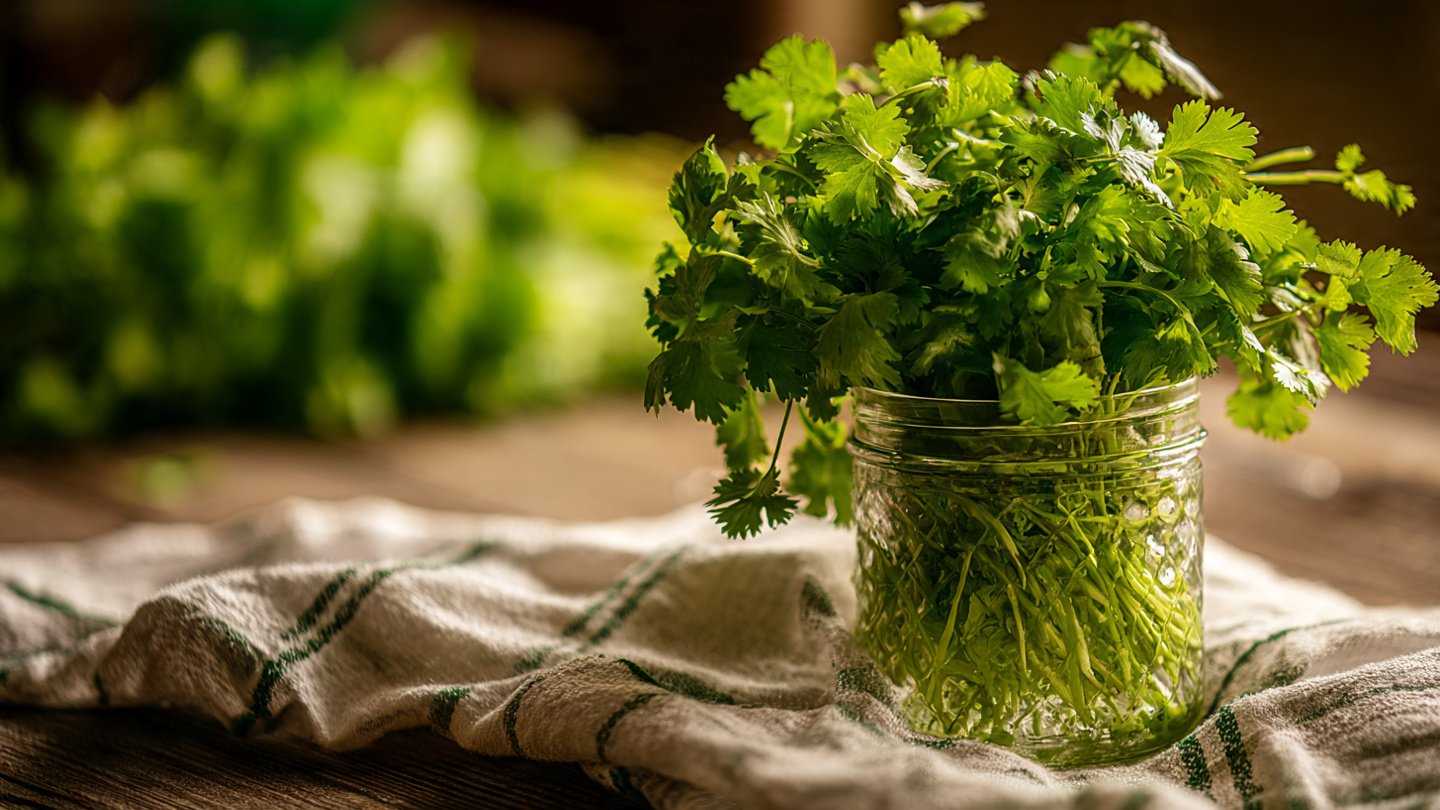

Discover the Amazing Technique to Grow Coriander from Cuttings and Enjoy Fresh Herbs at Home
Coriander, also known as cilantro, is a flavorful herb that is a staple in many cuisines around the world—from Asian to Middle Eastern dishes. Beyond its culinary uses, growing your own coriander at home can be incredibly rewarding. One of the easiest and most effective ways to propagate coriander is through cuttings. In this article, we’ll explore how to grow coriander from cuttings, the benefits of having fresh herbs at home, tips for care, and a helpful FAQ section.
Understanding Coriander
Before diving into the propagation technique, it’s essential to understand what coriander is. This aromatic herb comes from the plant Coriandrum sativum. Every part of the plant is edible, but the leaves and seeds are most commonly used. While the leaves are often referred to as cilantro, the dried seeds are known as coriander. The herb is distinguished by its bright green leaves and a distinctive, somewhat spicy flavor that can enhance various dishes.
Why Grow Coriander at Home?
- Freshness and Flavor: There’s nothing quite like using fresh herbs in your cooking. Homegrown coriander offers unparalleled flavor compared to store-bought options.
- Cost-Effectiveness: Growing your own herbs can save you money over time. A single plant can produce a substantial yield.
- Convenience: Having fresh herbs right outside your door or on your windowsill makes cooking more convenient.
- Sustainability: Growing herbs at home is an environmentally friendly choice, reducing the carbon footprint associated with transporting and packaging store-bought herbs.
- Personal Satisfaction: Cultivating your plants can be a fulfilling hobby, providing a sense of accomplishment and connection to nature.
The Technique: Growing Coriander from Cuttings
Step-by-Step Guide
1. Selecting Healthy Cuttings:
- Start with healthy, vibrant coriander plants. Look for stems that are not wilted or yellowing. Ideally, choose stems from a more mature plant, as younger shoots may not have enough nutrients.
2. Preparing the Cuttings:
- Use clean, sharp scissors or pruning shears to take cuttings that are about 4-6 inches long. Make the cut just below a leaf node to ensure that the cutting has the best chance to develop roots.
3. Removing Lower Leaves:
- Strip off the lower leaves of the cutting, leaving only a couple of leaves at the top. This helps direct the plant’s energy into root development rather than leaf growth.
4. Rooting the Cuttings:
- You can root coriander cuttings in water or directly in soil.
- Water Method: Place the cuttings in a glass or jar of water, ensuring that the cut ends are submerged. Position the container in a spot with indirect sunlight. Change the water every few days to keep it fresh. Roots should begin to develop in about 1-2 weeks.
- Soil Method: If you prefer to plant directly in soil, fill a small pot with quality potting mix, make a hole for the cutting, and gently place it in. Water the soil lightly to settle it around the cutting and keep the pot in a warm, sunny location.
5. Encouraging Growth:
- If you chose the water method, once roots are a few inches long, transfer the cutting to soil. If you initially rooted in soil, continue to provide care. Keep the soil moist but not soggy, as coriander prefers well-drained conditions.
6. Providing Proper Light and Temperature:
- Coriander thrives in bright, indirect light. Ideally, the plant should receive 4-6 hours of sunlight daily. Temperatures ranging from 60°F to 75°F (15°C to 24°C) are optimal for growing coriander.
7. Fertilization and Maintenance:
- After a couple of weeks, you can start fertilizing your coriander with a balanced, water-soluble fertilizer every 4-6 weeks. Regularly check for pests and diseases, although coriander is relatively resilient.
8. Harvesting:
- You can start harvesting when the plant is about 6-8 inches tall. Snip off the outer leaves first, allowing the inner leaves to continue growing. This way, your plant can keep producing throughout its growing season.
Tips for Successful Coriander Cultivation
- Spacing: If planting multiple cuttings, space them adequately to allow for air circulation and growth.
- Avoiding Bolting: Coriander can bolt (go to seed) if exposed to extreme heat. To extend its growing season, consider providing some shade during the hottest months.
- Watering: Water the plants consistently, keeping the soil slightly moist but not waterlogged. Overwatering can lead to root rot.
- Pest Control: Keep an eye out for aphids and other common pests. You can easily control infestations with a gentle spray of water or natural insecticidal soap.
- Seed Saving: If you allow some plants to flower and bolt, you can collect seeds to plant next season.
Conclusion
Growing coriander from cuttings is an amazing technique that not only enhances the flavor of your cooking but also brings joy to your gardening experience. With just a little effort and care, you can enjoy the fresh taste of homegrown herbs year-round. Whether you’re a seasoned gardener or a beginner, cultivating coriander is an accessible and satisfying endeavor.
FAQs
1. How long does it take for coriander cuttings to grow roots?
- Typically, coriander cuttings will develop roots in 1-2 weeks when placed in water, though this may vary depending on environmental conditions.
2. Can I grow coriander indoors?
- Yes, coriander can be grown indoors as long as it receives adequate sunlight or supplemental grow lights.
3. Do I need to use rooting hormone for cuttings?
- While rooting hormone can promote faster rooting, it is not necessary for coriander cuttings. They root quite well in water or soil without it.
4. What should I do if my coriander starts to flower?
- If your coriander flowers, you can either let it go to seed and collect the seeds for next season or trim the flowers to encourage leaf growth.
5. Can I re-root coriander cuttings multiple times?
- While it’s possible to root cuttings from an established plant multiple times, it’s generally more productive to start with fresh cuttings from healthy plants.
Growing your own coriander from cuttings opens up a world of culinary delight right at your fingertips. Enjoy the process, and happy gardening!