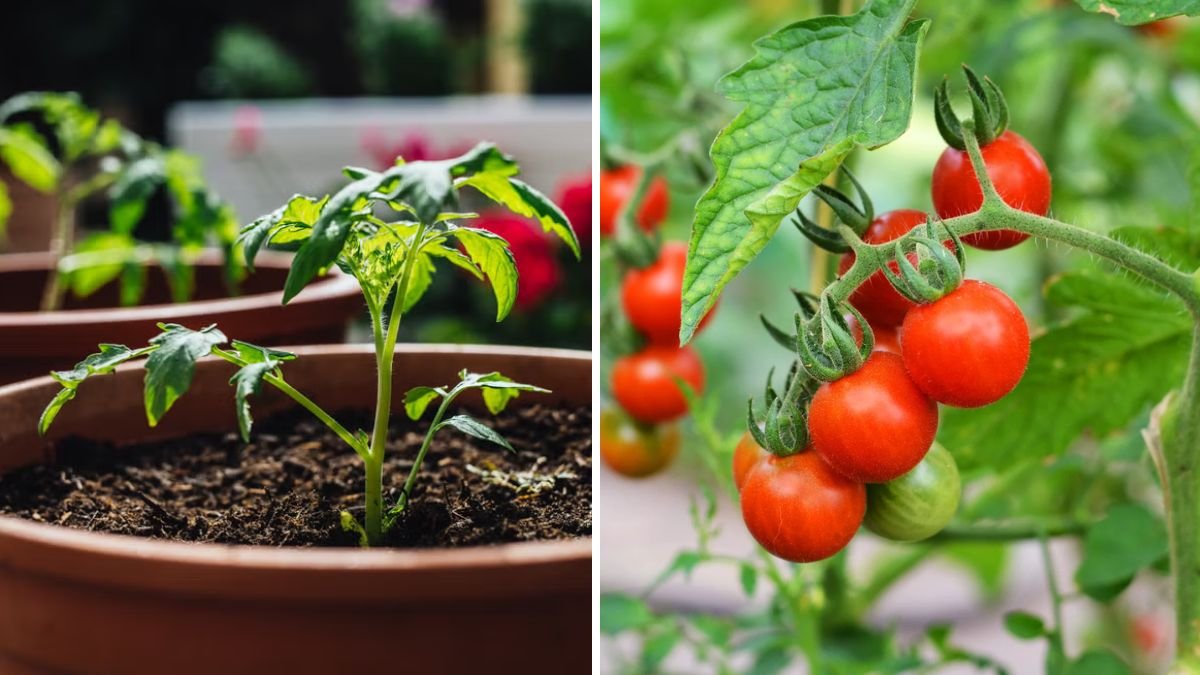

Cherry tomatoes are among the easiest and most rewarding crops you can grow at home. Whether you have a spacious backyard, a small balcony, or even just a sunny windowsill, these little fruits adapt beautifully to containers, raised beds, or garden soil. Their fast growth, abundant production, and delicious burst of sweetness make them a favorite for beginners and experienced gardeners alike.
This comprehensive guide explains everything you need to know to grow cherry tomatoes easily—from choosing varieties and preparing the soil to planting, watering, fertilizing, and harvesting abundant juicy clusters.
🍅 Why Cherry Tomatoes Are the Perfect Beginner Crop
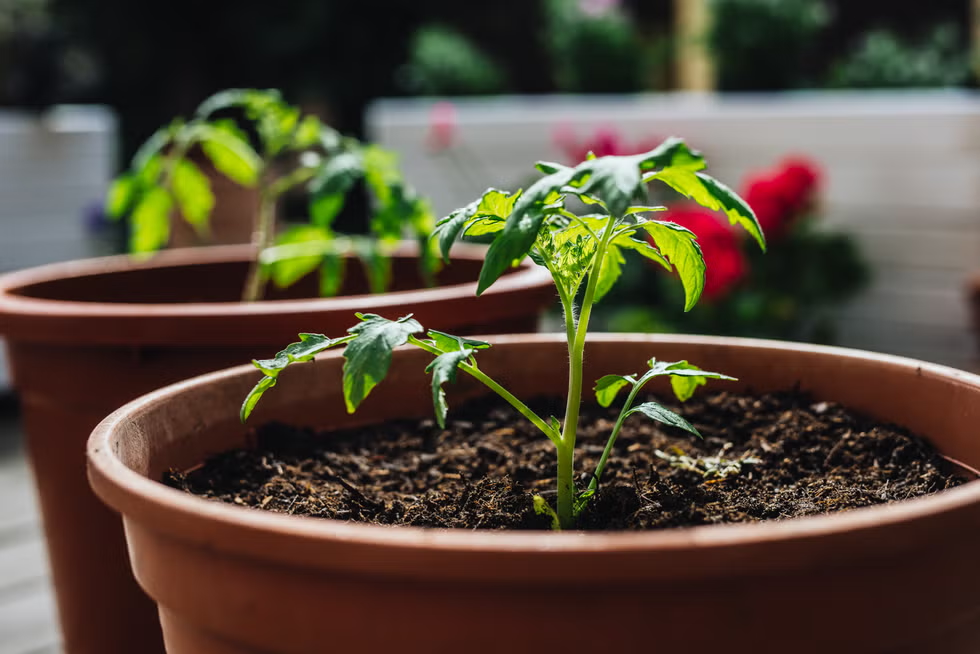
Cherry tomatoes thrive with minimal care compared to larger varieties. Their root systems are strong, their plants grow fast, and they produce fruit continuously throughout the season. They resist more pests, tolerate minor mistakes, and grow vigorously in warm climates.
Here’s why they’re so easy:
- They grow well in containers.
- They produce fruit even with moderate care.
- They quickly recover from pruning mistakes.
- They tolerate varying soil conditions.
- They have fewer issues with blossom-end rot, unlike large tomatoes.
If you want a high-yield, low-effort crop, cherry tomatoes are your best friend.
🌱 Choosing the Best Cherry Tomato Variety
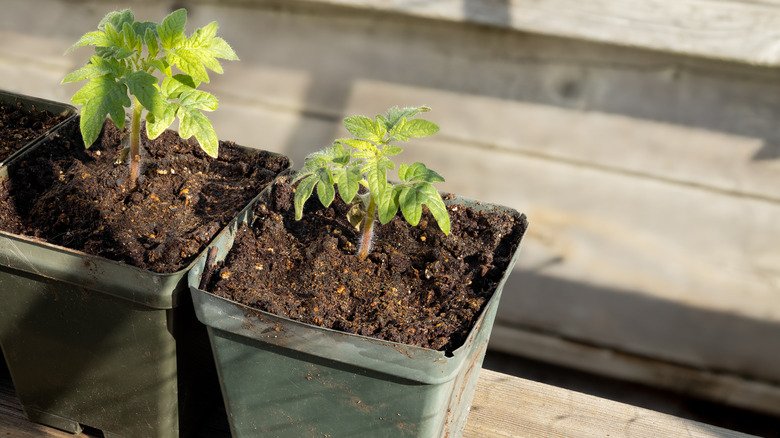
There are hundreds of cherry tomato varieties, but these are especially easy and productive:
1. Sweet Million
- Heavy producer
- Extra sweet fruits
- Grows vigorously
2. Sungold
- Famous for intense sweetness
- Golden-orange fruits
- Perfect for snacking
3. Cherry Roma / Grape Tomatoes
- Crispy texture
- Long shelf life
- Great for salads
4. Black Cherry
- Unique color
- Sweet and smoky flavor
- Adds beauty to your garden
If you’re a beginner, start with Sweet Million or Sungold—they’re forgiving and extremely productive.
🪴 Where and How to Grow Cherry Tomatoes
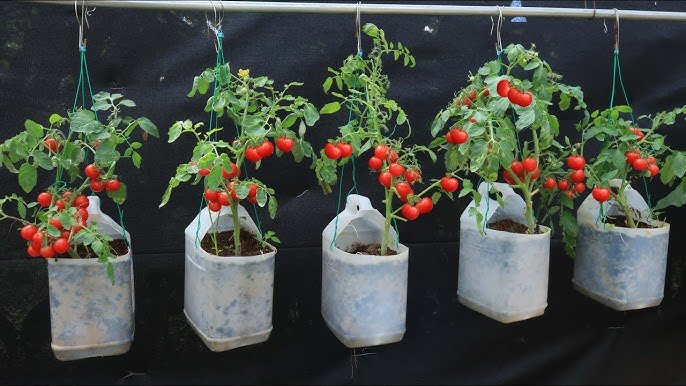
Cherry tomatoes grow well in:
- Pots (minimum 12–16 inches deep)
- Grow bags (20–30 liters)
- Raised beds
- Garden soil
- Balcony and terrace pots
🌤 Light Requirement
Tomatoes love sunlight—at least 6–8 hours of direct light daily.
More sunlight = sweeter fruits + more harvest
🌿 Preparing the Perfect Soil Mix
Cherry tomatoes perform best in loose, fertile, well-draining soil. A simple but powerful mix is:
- 40% garden soil
- 30% compost or cow manure
- 20% coco peat
- 10% sand or perlite
Add a handful of:
- Neem cake (prevents pests)
- Bone meal (boosts flowering)
- Wood ash (improves fruiting)
This mix provides nutrients, drainage, and aeration—everything cherry tomatoes love.
🌱 Planting Cherry Tomatoes Step-by-Step
1. Start from Seeds or Seedlings
- Seeds take 7–10 days to germinate.
- Seedlings should be 4–6 weeks old before transplanting.
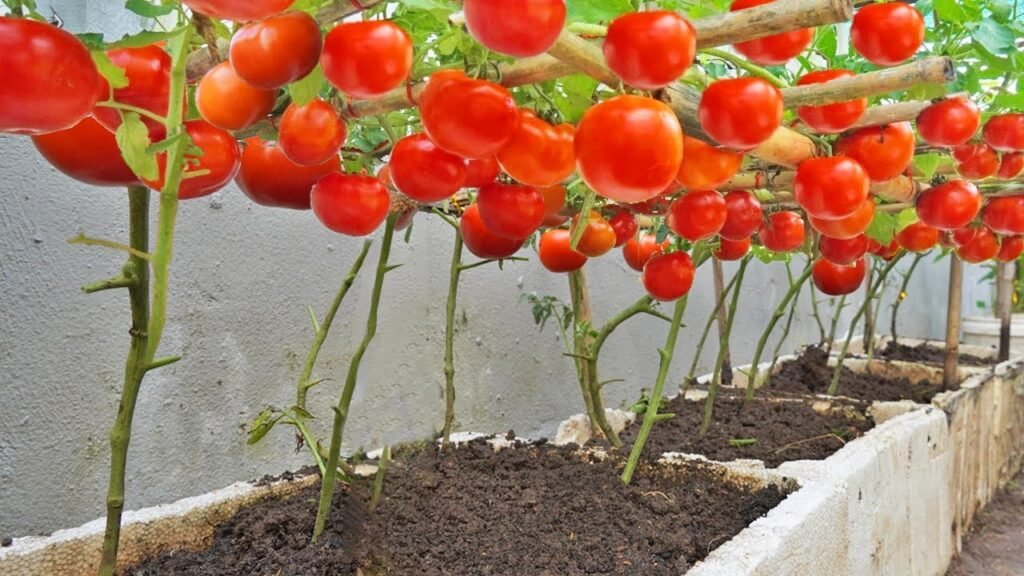
2. Plant Deep
Bury the plant up to the first set of leaves.
Tomatoes can grow new roots along their buried stem—this makes the plant stronger.
3. Space Properly
If planting in soil:
- Keep 18–24 inches between plants.
If planting in pots:
- Only one plant per pot or grow bag.
💧 Watering Cherry Tomatoes Correctly
Water deeply but infrequently. The goal is to maintain consistent moisture without making the soil soggy.
Watering Tips:
- Water at the base of the plant.
- Avoid wetting the leaves.
- Water early in the morning.
- In summer, water daily or on alternate days.
- In cooler weather, water every 2–3 days.
Inconsistent watering can cause fruit cracking—steady moisture prevents this.
🌸 Fertilizing for Heavy Flowering and Fruiting
Cherry tomatoes are heavy feeders. To get continuous fruiting, follow this simple schedule:
At Planting:
- Mix compost + bone meal into the soil.
Every 15 Days:
Give any one of the following:
- Vermicompost
- Cow manure tea
- Banana peel fertilizer (potassium)
- NPK 19-19-19 (if you prefer inorganic methods)
- Fish emulsion
During Flowering:
Tomatoes need more potassium.
Use:
- Banana peel tea
- Wood ash
- Tomato-specific fertilizer
- Seaweed extract
Tip:
Avoid too much nitrogen—it leads to big leaves but fewer fruits.
🪴 Staking and Supporting Your Plants
Cherry tomatoes grow tall and sprawl easily. Provide support early to avoid breakage.
Best Support Methods
- Bamboo stakes + twine
- Tomato cages
- Trellis or vertical strings
- Side stakes in containers
Tie the plant loosely using soft cloth or twine.
✂️ Pruning for Bigger Harvests
Pruning is simple and boosts production.
Remove:
- Bottom leaves touching the soil
- Suckers growing between main stems
- Yellow or diseased leaves
Why Prune?
- Better airflow
- Less disease
- Bigger and sweeter fruits
- Easier harvesting
Indeterminate cherry tomato varieties especially benefit from pruning.
🛡 Common Problems and How to Fix Them
1. Aphids/Whiteflies
Use:
- Neem oil spray
- Soap water spray
2. Fungal Diseases
- Provide airflow
- Avoid overhead watering
- Use baking soda spray weekly
3. Fruit Cracking
- Water more consistently
4. Blossom Drop
Caused by heatstress—shade the plant during extreme heat.
🍅 Harvesting Cherry Tomatoes
Cherry tomatoes usually ripen:
- 65–80 days after planting
- Harvest when they are fully colored—red, yellow, orange, or black depending on variety
Pick regularly to encourage new fruiting.
Flavor Tip:
Let them ripen on the vine for maximum sweetness.
🥗 Enjoying Your Homegrown Cherry Tomatoes
Use them in:
- Salads
- Pasta
- Stir-fries
- Toppings
- Sauces
- Sandwiches
- Pickles
- Or eat straight off the vine!
Homegrown cherry tomatoes taste 10x better than store-bought ones because they ripen naturally on the plant.
🌟 Final Thoughts
Growing cherry tomatoes is one of the easiest and most rewarding gardening projects. With just sunlight, a good soil mix, regular watering, and basic support, you can enjoy hundreds of sweet little tomatoes throughout the season.
Whether you’re a beginner or a seasoned gardener, cherry tomatoes never disappoint. Start with just one plant—and soon you’ll want a whole row of them!