

Cucumbers are one of the most refreshing and versatile vegetables you can grow at home. Whether eaten raw in salads, pickled for preservation, or used in smoothies and juices, fresh cucumbers are a garden favorite. Growing cucumbers may seem tricky due to their sprawling vines and specific care requirements, but with the right approach, you can enjoy an abundant harvest year after year.
This guide provides a step-by-step approach to growing cucumbers, covering everything from seed selection and soil preparation to watering, trellising, pest management, and harvesting. By the end, you’ll have the knowledge to grow healthy, flavorful cucumbers in your garden, balcony, or backyard.
Step 1: Choosing the Right Cucumber Variety

Selecting the right variety is the first step for a successful cucumber crop. Cucumbers generally fall into two categories:
1. Slicing Cucumbers
- Typically larger, meant for fresh consumption.
- Smooth skin, crisp texture.
- Examples: Marketmore, Straight Eight, Armenian cucumber.
2. Pickling Cucumbers
- Shorter, smaller, ideal for pickling.
- Thicker skin and more seeds.
- Examples: Boston Pickling, National Pickling.
Tip:
Consider your climate and space. Bush varieties are compact and suitable for containers, while vining varieties need support.
Step 2: Preparing the Planting Area
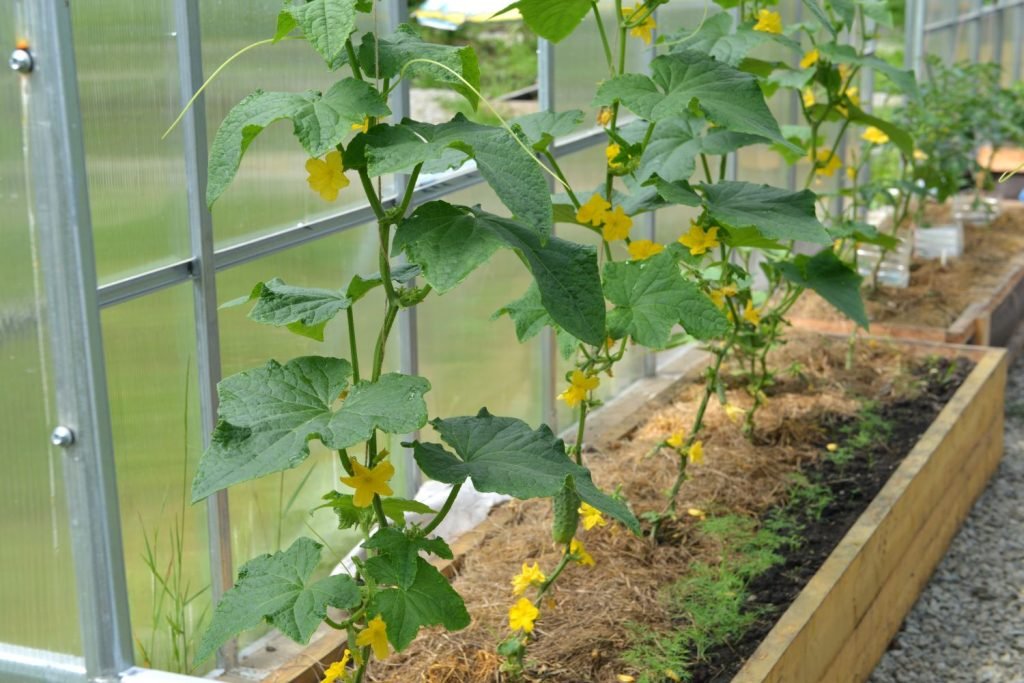
Cucumbers thrive in loose, fertile, well-draining soil with plenty of sunlight.
Soil Preparation
- Choose a site with at least 6–8 hours of direct sunlight daily.
- Loosen the soil to a depth of 12 inches (30 cm).
- Incorporate compost or well-rotted manure to enrich nutrients.
- Maintain a slightly acidic to neutral pH (6.0–7.0).
Tip:
Raised beds or containers with quality soil improve drainage and reduce soil-borne diseases.
Step 3: Sowing Cucumber Seeds
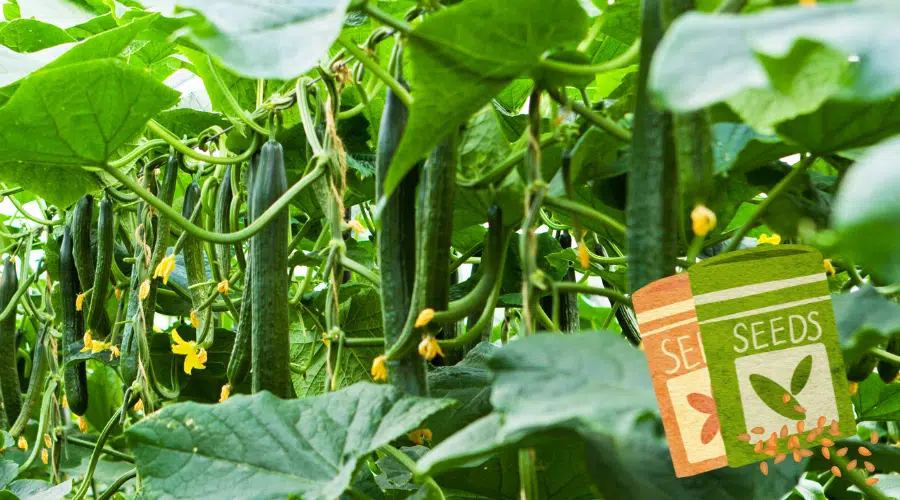
Cucumbers can be grown directly in the garden or started indoors for early growth.
Direct Sowing
- Plant seeds 1 inch (2.5 cm) deep in prepared soil.
- Space seeds 12–18 inches (30–45 cm) apart for bush varieties, 24–36 inches (60–90 cm) for vining types.
Starting Indoors
- Sow seeds 3–4 weeks before the last frost.
- Use small pots with seed-starting mix.
- Transplant when seedlings have 2–3 true leaves.
Tip:
Soak seeds in water for 12–24 hours to accelerate germination.
Step 4: Watering and Mulching
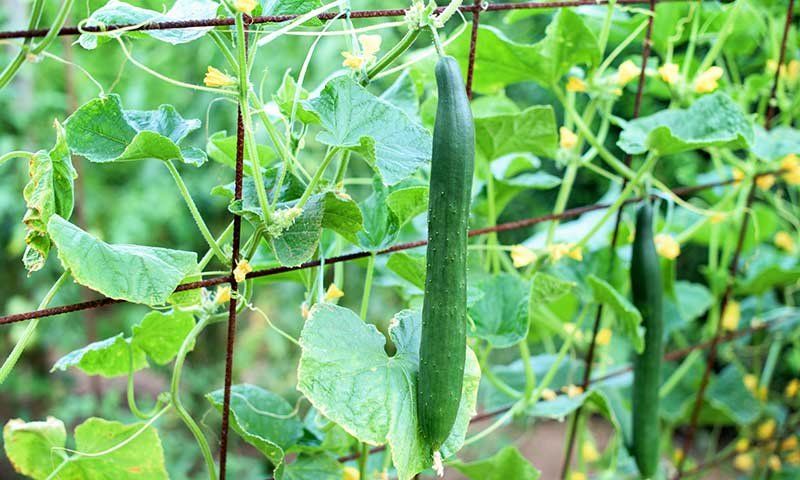
Cucumbers require consistent moisture, especially during flowering and fruiting.
Watering Guidelines
- Water deeply 1–2 times per week, depending on weather.
- Avoid wetting leaves to reduce fungal disease.
- Early morning watering helps prevent evaporation.
Mulching
- Use straw, leaves, or black plastic mulch around plants.
- Retains soil moisture, suppresses weeds, and maintains even soil temperature.
Step 5: Fertilizing Cucumbers
Cucumbers are heavy feeders and require proper nutrition for optimal growth.
Fertilizer Guidelines
- Incorporate compost or well-rotted manure at planting.
- Use a balanced fertilizer (NPK 10-10-10) during vegetative growth.
- Increase potassium and phosphorus once flowering begins to encourage fruiting.
Tip:
Avoid excessive nitrogen once flowers appear—it promotes foliage over fruit production.
Step 6: Providing Support (Trellising)
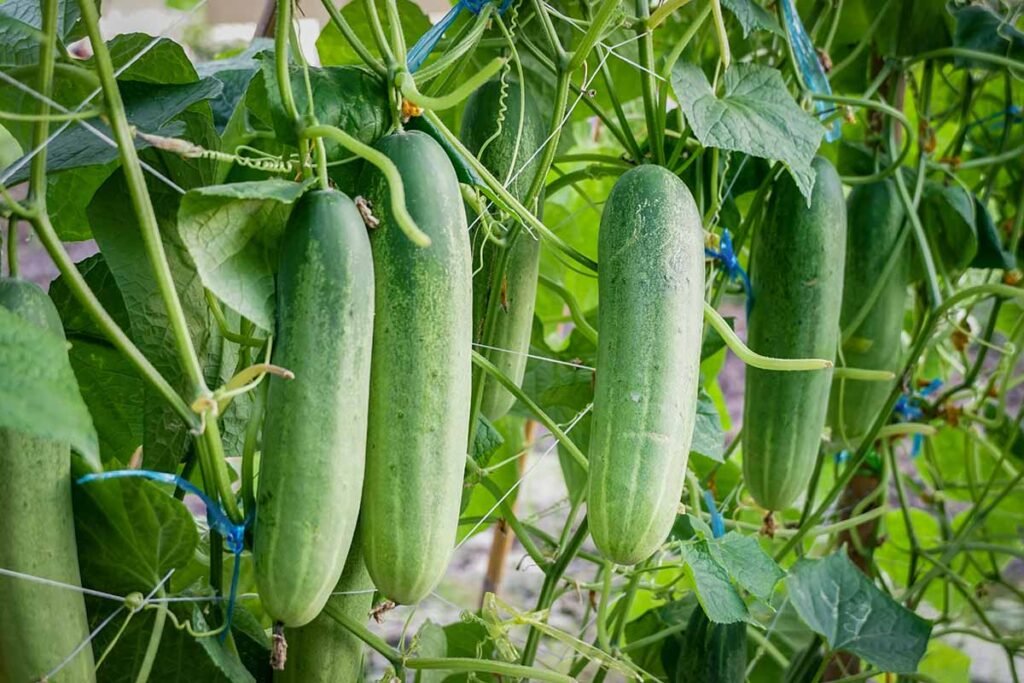
Vining cucumbers need support to grow upright, prevent diseases, and maximize yield.
Trellising Methods
- Vertical trellis: Wooden frame or netting allows cucumbers to climb, saving space.
- A-Frame trellis: Strong for heavier fruits.
- Cages: Good for bush varieties to keep fruits off the ground.
Benefits
- Easier harvesting
- Cleaner fruits
- Improved air circulation
Tip: Train vines early and secure them gently with soft ties.
Step 7: Pruning and Training
Pruning cucumber plants is optional but can help manage growth and increase yield.
Pruning Tips
- Remove yellow or diseased leaves promptly.
- Pinch the growing tips of vining varieties to encourage lateral branching.
- Remove excess side shoots to prevent overcrowding.
Tip: Regular pruning improves light penetration and airflow.
Step 8: Pollination
Cucumber flowers need pollination for fruit development.
Pollination Tips
- Bees and other insects are natural pollinators.
- For indoor or balcony gardens, hand-pollinate using a soft brush.
- Transfer pollen from male flowers (thin stem) to female flowers (small swelling at base).
Tip: Ensure at least one male flower is present for every few female flowers.
Step 9: Pest and Disease Management
Cucumbers can attract pests and are prone to certain diseases.
Common Pests
- Aphids
- Spider mites
- Cucumber beetles
Organic Solutions
- Neem oil or insecticidal soap sprays
- Encourage natural predators like ladybugs
- Remove infested leaves promptly
Diseases
- Powdery mildew
- Downy mildew
- Bacterial wilt
Prevention Tips
- Ensure proper spacing and airflow
- Avoid overhead watering
- Rotate crops each season
Step 10: Harvesting Cucumbers
Harvesting at the right time ensures crisp, flavorful cucumbers.
When to Harvest
- Pick cucumbers when they are firm and the desired size.
- Slicing cucumbers: 6–8 inches (15–20 cm)
- Pickling cucumbers: 3–5 inches (7–12 cm)
Harvesting Tips
- Use scissors or gently twist to avoid damaging vines.
- Harvest regularly to encourage continuous fruiting.
- Avoid leaving overripe cucumbers; they reduce plant productivity.
Step 11: Benefits of Growing Cucumbers at Home
- Fresh, Organic Produce: Control over chemicals and fertilizers.
- Cost-Effective: Reduces grocery bills.
- Convenient: Easy access to fresh cucumbers anytime.
- Space-Saving Options: Grow vertically in small spaces.
- Therapeutic Gardening: Fun and rewarding activity for all ages.
Step 12: Tips for Year-Round Cucumber Gardening
- Start seeds indoors to extend the growing season.
- Use containers or grow bags for balcony gardening.
- Succession planting every 2–3 weeks ensures continuous harvest.
- Protect plants from frost with covers or bring containers indoors.
Conclusion: Master the Art of Growing Cucumbers Step by Step
Growing cucumbers may seem challenging at first, but by following a step-by-step approach, anyone can enjoy a bountiful harvest. From selecting the right variety and preparing nutrient-rich soil to proper watering, fertilization, trellising, and pest management, each step plays a vital role in plant health and productivity.
Whether you have a backyard, balcony, or small patio, cucumbers can be grown successfully with a little planning and care. Regular pruning, timely harvesting, and attention to pollination and pests ensure crisp, flavorful fruits all season long.
With patience and dedication, your cucumber garden will thrive, providing fresh, delicious vegetables for your kitchen, reducing grocery costs, and bringing the satisfaction of growing your own food.