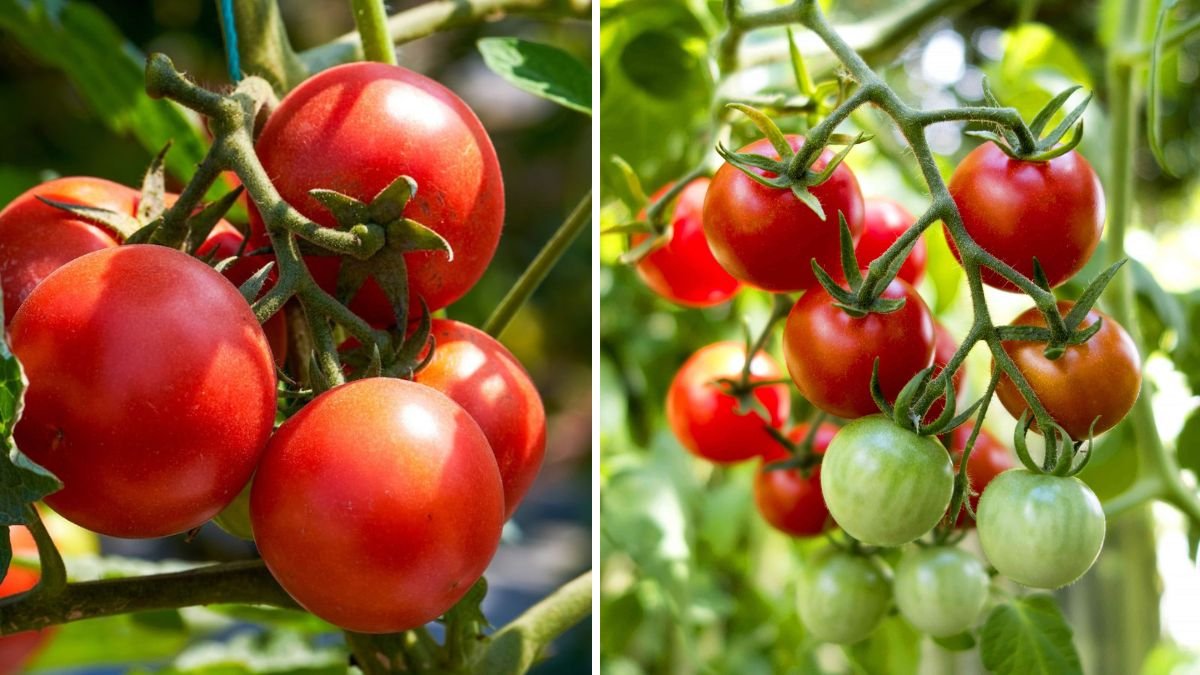

Tomatoes are the heart of the home garden—vibrant, flavorful, versatile, and among the most rewarding crops you can grow. Yet many home gardeners face common challenges: small harvests, weak plants, diseases, and fruits that never fully ripen. The reality is that tomatoes can produce huge quantities when given proper care and the right growing conditions. With a few essential techniques, you can transform a simple tomato plant into a powerhouse of continuous fruit production.
This comprehensive guide reveals step-by-step, actionable tips to help you produce lots of tomatoes at home—whether in pots, grow bags, raised beds, or your backyard. By understanding tomato growth habits and applying smart practices, you can enjoy heavy yields all season long.
1. Start With the Right Tomato Variety
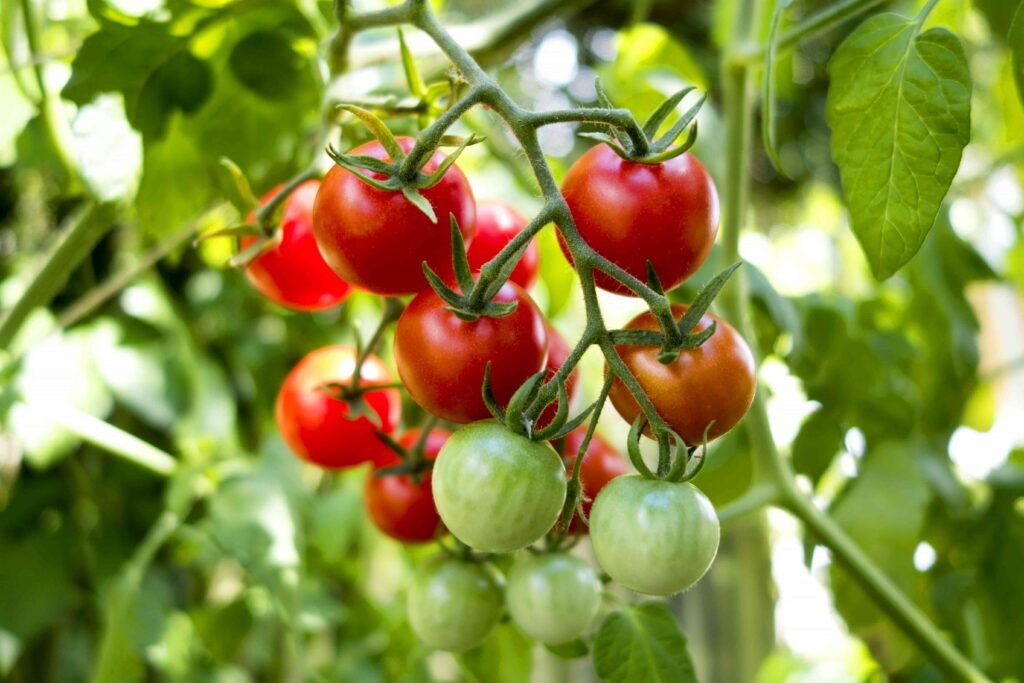
The secret to abundant production begins with choosing the right type of tomato.
Determinate vs. Indeterminate Tomatoes
Indeterminate varieties
- Continue growing and producing all season
- Ideal for gardeners wanting continuous harvest
- Examples: Cherry tomatoes, Beefsteak, Better Boy, Big Boy
Determinate varieties
- Grow to a fixed height
- Produce one large harvest
- Great for small spaces or containers
- Examples: Roma, Patio Princess, Celebrity
If maximum yield is your goal, indeterminate tomatoes are the best choice.
Cherry and Grape Tomatoes = Higher Yield
Smaller varieties like Sweet 100, Sungold, and Black Cherry produce hundreds of tomatoes on a single plant—excellent for beginners and container growers.
2. Use the Best Soil Mix for Explosive Growth
Tomatoes thrive in loose, fertile, nutrient-rich soil.
Ideal Soil Mix for Pots or Grow Bags
- 40% high-quality compost
- 30% cocopeat or peat moss
- 20% garden soil
- 10% perlite or sand
This mix ensures:
- Great drainage
- Proper aeration
- Retention of moisture
- Healthy root expansion
Adding organic matter boosts long-term fertility and increases fruit production.
3. Plant Tomatoes Deeply for Stronger, Hardier Plants
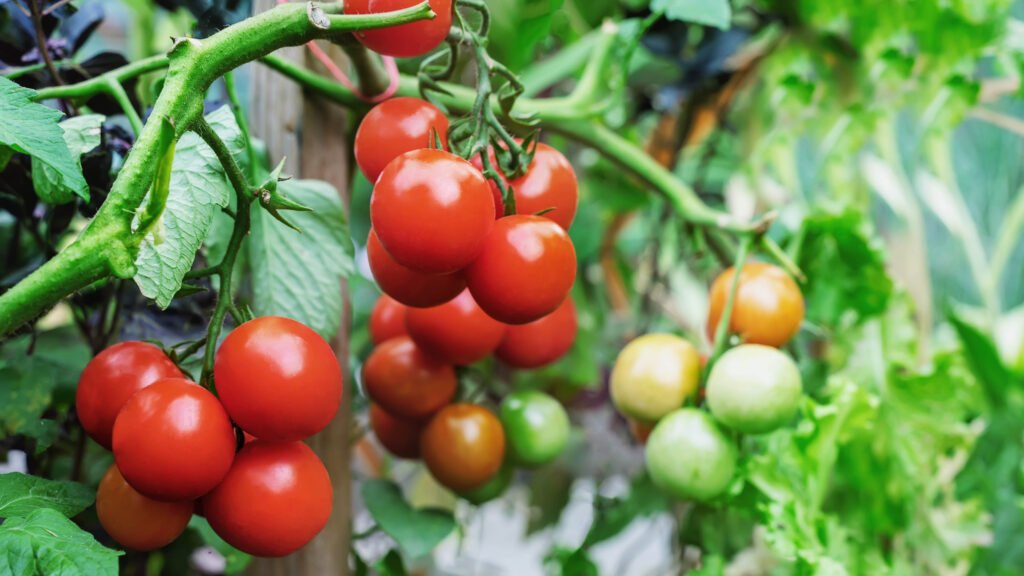
Tomatoes can grow roots from any part of their stem. This unique trait allows gardeners to plant them deep in the soil.
Deep Planting Benefits
- More root development
- Stronger anchoring
- Better nutrient absorption
- Increased drought resistance
Bury two-thirds of the stem, leaving only the top leaves above soil. More roots mean more energy for fruiting later.
4. Give Tomatoes Full Sun—More Sunlight = More Tomatoes
Tomatoes are sun-loving plants.
They require 6–8 hours of direct sunlight, ideally 8–10 hours for best production.
Without adequate sunlight:
- Plants become leggy
- Flowers drop
- Fruits fail to form
Place your plants in the sunniest spot you can find—south-facing areas work best.
5. Water Smartly to Encourage Fruit Growth
Tomatoes need consistent watering, especially when fruiting.
Watering Tips
- Water deeply 2–3 times a week
- Keep soil consistently moist
- Avoid overwatering
- Never water on leaves (prevents fungal disease)
- Mulch to retain soil moisture
Irregular watering can cause cracked fruits, blossom end rot, and flower drop.
Mulching with straw, leaves, or coco husk keeps the soil cool and reduces water stress—leading to higher yields.
6. Feed Regularly—Tomatoes Are Heavy Feeders
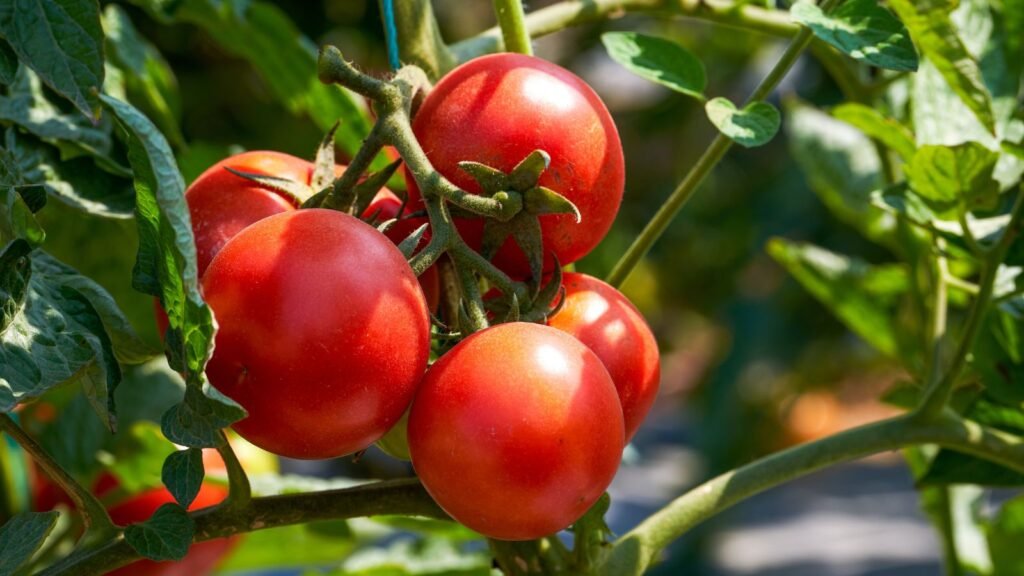
To produce lots of tomatoes, the plants must receive steady nutrition.
Best Fertilizers for Tomatoes
- Compost or manure at planting time
- Balanced NPK fertilizer every 2–3 weeks
- Calcium supplements to prevent blossom end rot
- Potassium-rich feeding when flowering starts
Homemade Fertilizer Options
- Banana peel tea (for potassium)
- Eggshell powder (for calcium)
- Compost tea (general boost)
- Epsom salt spray (for magnesium)
Tomato plants respond quickly to nutrition. A well-fed plant produces more clusters and bigger tomatoes.
7. Support the Plants—Stakes, Cages, or Trellises
Tomatoes that are properly supported produce more fruit because:
- They receive better airflow
- They get more sunlight exposure
- They stay disease-free
- Energy goes into fruiting instead of falling over
Support Options
- Bamboo stakes
- Tomato cages
- Florida weave system
- Vertical trellis
- String trellis (best for indeterminate tomatoes)
Tie plants gently and keep them upright throughout the season.
8. Pruning Is the Key to Massive Tomato Production
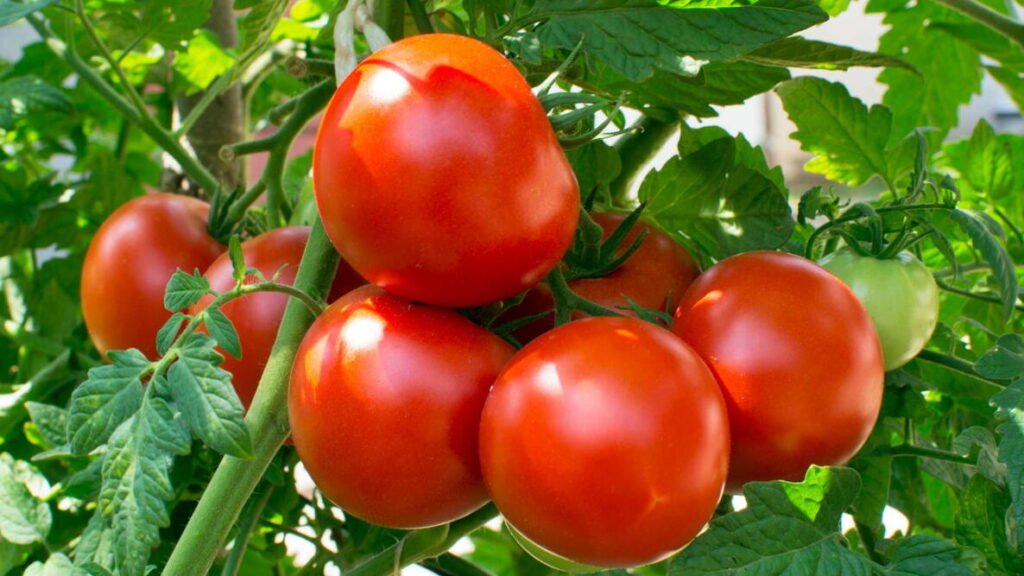
Pruning is one of the most important but overlooked tomato-growing techniques.
Why Prune Tomatoes?
- Improves airflow
- Reduces fungal disease
- Directs energy to fruit production
- Increases sunlight exposure
- Produces larger and sweeter tomatoes
How to Prune Suckers
Suckers are the shoots that grow between the main stem and branches.
Pinching off the lower suckers (especially indeterminate varieties) increases yield and encourages larger fruit clusters.
Remove leaves near the bottom to prevent soil splash and disease.
9. Encourage Pollination for More Fruit Set
More pollination = more tomatoes.
How to Boost Tomato Pollination
- Gently shake the plant each morning
- Grow flowers nearby to attract bees
- Use a small brush to hand-pollinate
- Provide good airflow
In indoor or balcony gardens with low bees, shaking or hand-pollinating significantly increases fruit yields.
10. Control Pests and Diseases Naturally
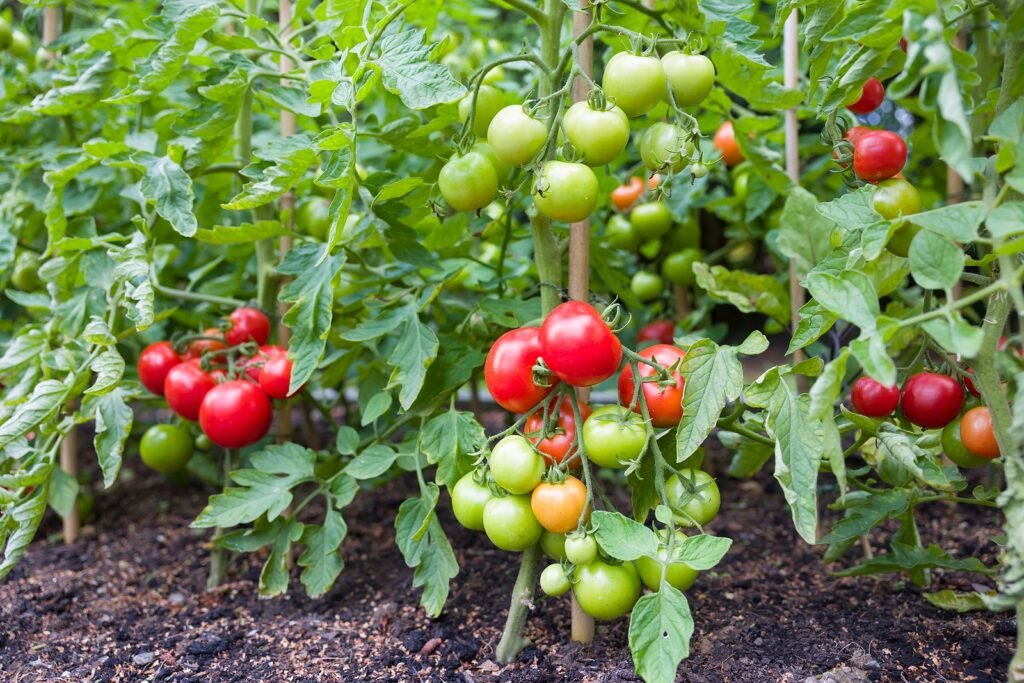
Tomatoes attract pests like:
- Aphids
- Whiteflies
- Mealybugs
- Caterpillars
- Spider mites
Safe Pest Control Solutions
- Neem oil spray (weekly)
- Soap-water spray
- Garlic or chili spray
- Sticky yellow traps
Common Diseases
- Early blight
- Powdery mildew
- Leaf spot
- Wilt diseases
Prevent diseases by:
- Watering only at soil level
- Pruning properly
- Ensuring sunlight
- Avoiding overcrowding
Healthy plants produce more tomatoes.
11. Add Epsom Salt for Better Flowering and Fruit Formation
Magnesium is essential for tomato plants.
Epsom salt provides magnesium sulfate, improving flowering, fruiting, and flavor.
How to Use
- Mix 1 tablespoon in 1 liter of water
- Spray every 2–3 weeks
- Use ONLY if leaves appear yellow between veins
Overuse is harmful, so use sparingly.
12. Mulch Heavily to Boost Growth and Prevent Stress
Mulching is a powerful tomato-growing trick.
Benefits
- Retains soil moisture
- Prevents weeds
- Reduces diseases
- Keeps soil temperature stable
- Encourages continuous fruiting
Materials: straw, leaves, dry grass, coco husk.
Mulching alone can increase yield by 20–30%.
13. Harvest Frequently to Encourage More Production
Tomato plants “think” they’ve completed their job once fruits fully ripen.
To keep them producing:
Harvesting Tips
- Pick tomatoes as soon as they start to turn color
- Don’t let too many fruits ripen on the vine
- Pick daily during peak season
Frequent harvesting stimulates new flowers and more tomatoes.
14. Replace or Refresh Soil Each Season
Tomatoes drain nutrients from the soil quickly.
Improve Soil Each Year
- Add compost
- Add bone meal and rock phosphate
- Mix in organic matter
- Rotate crops (avoid planting tomatoes in same spot yearly)
Healthier soil = bigger yields.
Final Thoughts
Producing lots of tomatoes at home is absolutely possible with the right methods. Start with the best varieties, give them sunlight, support, nutrients, and proper pruning, and your plants will reward you with an abundant harvest. With consistent care and the techniques shared above, you can transform your home garden—whether a balcony or backyard—into a tomato factory bursting with red, juicy, delicious fruits.
Once you apply these tips, your harvest will grow not just in quantity but in quality, offering tomatoes that taste fresher, sweeter, and richer than anything you can buy in stores.